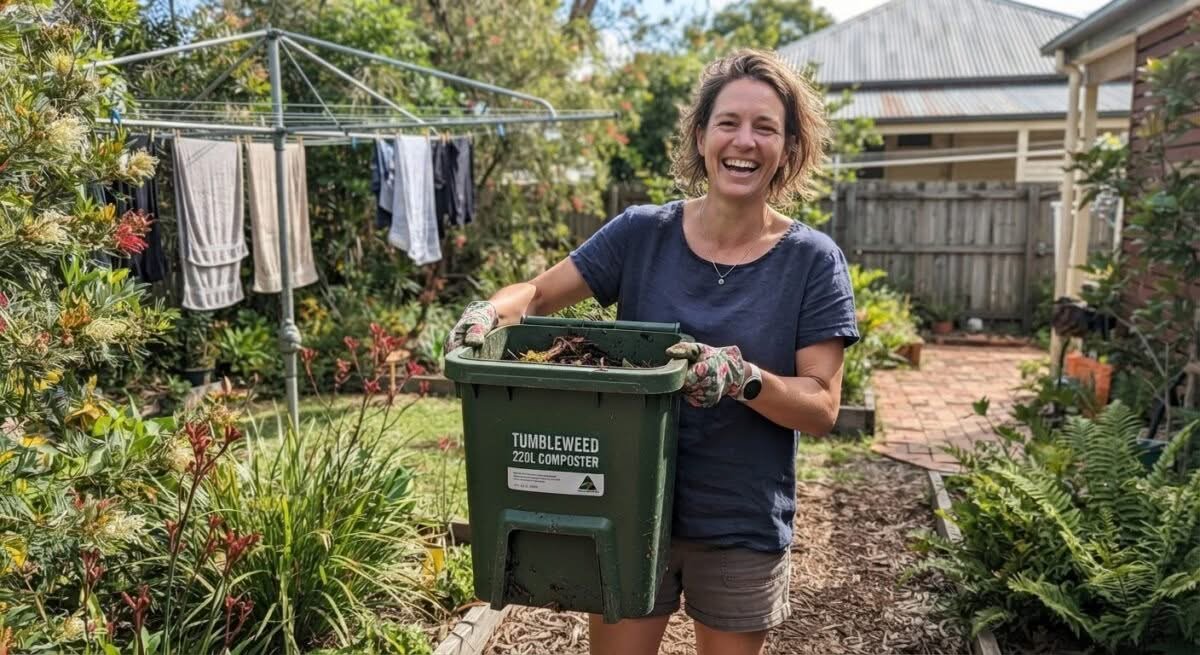
A compost bin is a fixed outdoor container that turns kitchen scraps, lawn clippings and garden trimmings into usable soil through aerobic decomposition, relying on ventilation gaps, open ground contact and the odd turn with a fork to keep the pile’s microbes and worms working. Comparing the best compost bin australia gardeners actually buy comes down to weighing capacity and material against how much waste a household produces each week, since an apartment balcony and a quarter-acre block need completely different setups.
Static bins sold locally split into a handful of distinct designs. Single-chamber plastic bins use a hinged top lid for loading and a sliding bottom hatch for scooping out finished compost lower in the pile. Modular resin composters clip together from flat panels and run as one bay or expand to two or three side by side as waste volume grows. Slatted timber bins use gapped boards for airflow and usually sit raised on a frame. Worm farms swap bulk composting for vermicomposting, either as stacked working trays above ground or as a single chamber buried straight into a garden bed so worms move freely between the unit and the surrounding soil.
Capacity across this guide runs from a compact tower barely wider than a bucket up to a three-bay system holding the better part of a tonne of material, and that range matters more than any other spec because an undersized bin means half-finished compost gets tipped out too early. The number worth checking beyond litres is how the bin actually gets emptied: a bottom hatch lets you harvest finished compost from underneath while the top keeps filling, but a bin with no hatch has to be lifted clean off the pile, which gets awkward fast once it is full and wet.
This guide compares six compost bins available to Australian buyers, from a budget single-chamber plastic box through modular resin systems and a slatted timber design to a stacked worm farm and an in-ground worm tower, running from a small courtyard setup to a large veggie patch. If grass clippings make up a good share of your green waste, it is worth reading this alongside the best lawn mowers in australia, since how finely a mower mulches its clippings changes how fast they break down. ProductReview.com.au’s compost bin category is worth a look too: lid design and drain leaks show up as complaints across almost every brand it lists, budget bins included.
Quick Picks
300L Compost Bin
A single-chamber plastic bin with a top lid and bottom hatch, roomy enough for most households.
CHECK CURRENT PRICE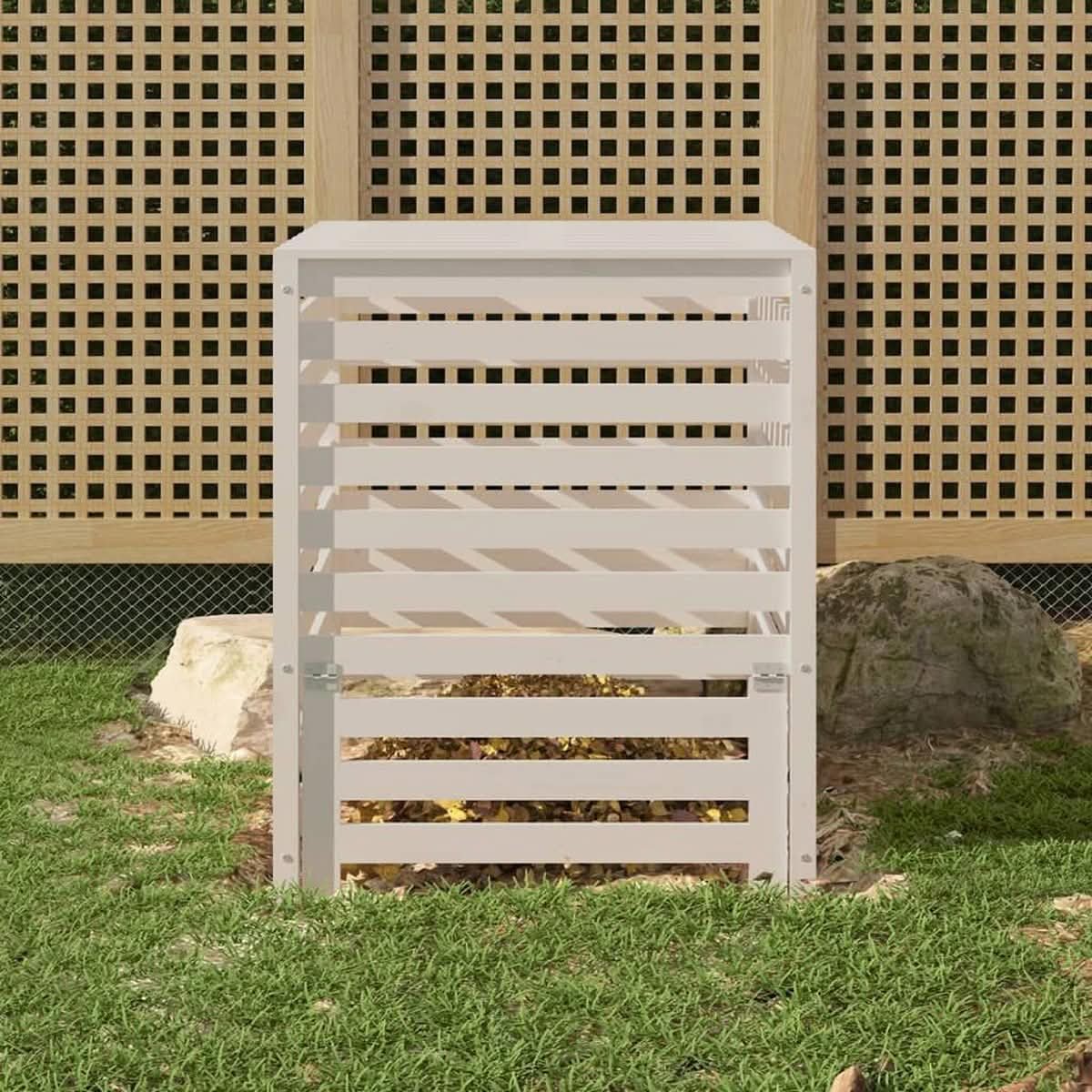
White Slatted Wooden Compost Bin
Painted pine slats that double as a garden feature instead of hiding behind the shed.
CHECK CURRENT PRICE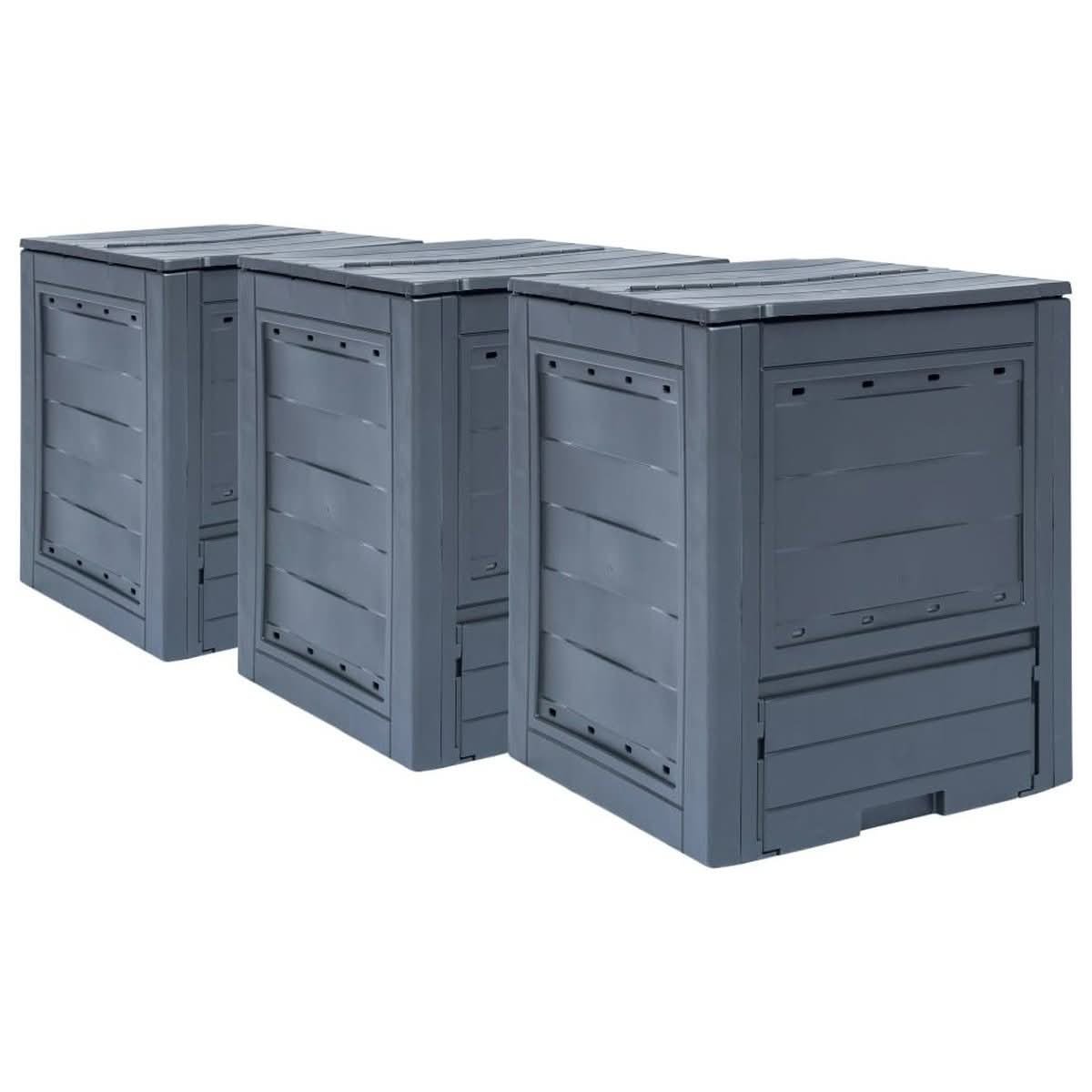
780L Three-Bay Modular Compost Bin
Three linked bays for staggered filling, curing and resting on a bigger block.
CHECK CURRENT PRICEBest Compost Bin Australia Compared
| Product | Link | Type | Best For | Key Spec |
|---|---|---|---|---|
| 300L Compost Bin | Check price | Single-chamber plastic | Best Value Pick | 300L, top lid and bottom door |
| 260L Modular Compost Bin | Check price | Modular resin (1 bay) | Best Expandable Design | 260L, expands bay by bay |
| 780L Three-Bay Modular Compost Bin | Check price | Modular resin (3 bay) | Best for Large Gardens | 780L across three bays |
| White Slatted Wooden Compost Bin | Check price | Slatted timber | Best Wooden Design | 82.5 x 82.5 x 99.5cm, solid pine |
| Maze Worm Farm | Check price | Stacked worm farm | Best Worm Farm | 2 rotating trays, 2L liquid tray |
| Greenlife In-Ground Worm Tower | Check price | In-ground worm tower | Best for Small Spaces | 22 x 22 x 52cm buried tower |
How We Picked
We started with a broad sweep of Australian retail catalogues and online marketplaces, looking specifically for compost bins rather than rotating tumblers, since the two work differently and suit different gardens. Listings that were out of stock, discontinued, or clearly the same product relisted under a different name were dropped, along with anything shipping as a slow overseas order instead of a locally available item.
Real-world performance came from cross-referencing ProductReview.com.au’s compost bin category, verified-purchaser feedback and recurring complaint patterns instead of manufacturer claims alone, checking each pick’s aeration design, hatch access and reported durability against what actual buyers report once a bin has spent a season or two in a backyard.
1. 300L Compost Bin with Top Lid and Bottom Door – Best Value Pick
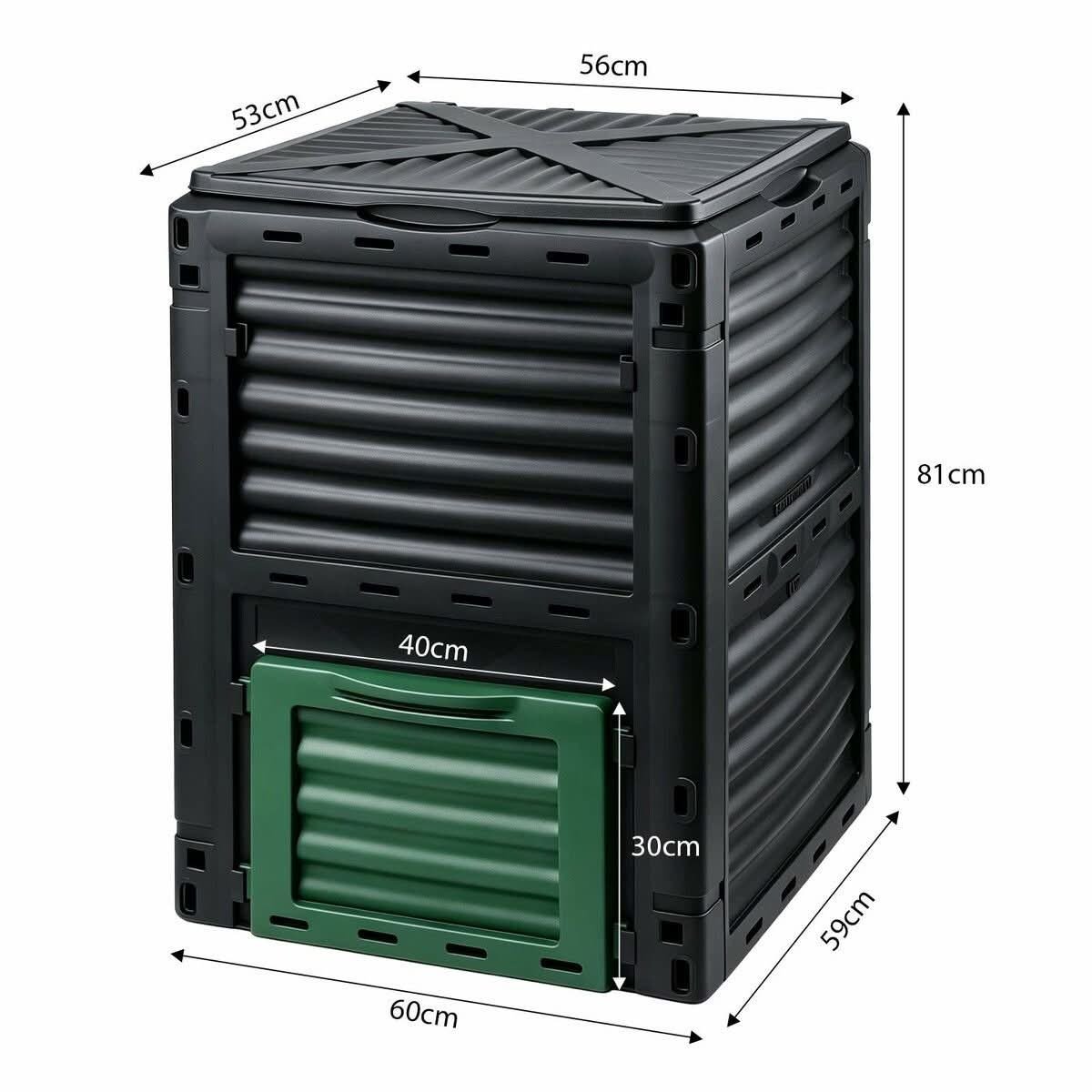
This is the compost bin most Australian backyards already picture: a black single-chamber box holding 300 litres, with a wide hinged lid on top for tipping in scraps and a separate sliding door lower down the front for scooping out finished compost without disturbing the fresh material above it. Vents run around all four sides, and the base sits open on the ground so worms can move in and out on their own.
Fill it with a rough three-to-one mix of dry leaves or shredded paper to kitchen scraps and it works through a full load in six to eight weeks over a Brisbane or Sydney summer, closer to three months once a Melbourne or Hobart winter slows the microbes down. It holds roughly the same total volume as the three-bay system further down this list, just as one unit instead of three, so it suits a single household and not a place generating enough green waste to run several bays at once.
Assembly is snap-together panels, not screws, which is quick, but this same design (sold under a few different brand names on Amazon AU) draws a recurring complaint that the bottom door is stubborn to click into its track the first time you fit it. Not a dealbreaker. A firm push and a bit of patience sorts it, and it is worth expecting rather than assuming you have a faulty unit. Skip it if you would rather not deal with any assembly at all; the wooden bin below arrives closer to ready-to-use.
Pros:
- Bottom hatch means you can harvest finished compost without emptying the whole bin
- Roomy 300L capacity handles a typical household’s kitchen and light garden waste
- All-round vents keep airflow working even when the lid stays shut over winter
Cons:
- Bottom door needs a firm push to click into its track on first assembly, a known niggle with this design
- No lid lock, so a determined possum or cat can nose it open if scraps go in too fresh
- Black plastic gets hot enough in direct summer sun to slow the pile down right at the edges
Key specs: 300L capacity; BPA-free PP plastic; roughly 60 x 59 x 81cm; top hinge lid and bottom sliding door; all-round aeration vents. This is the most affordable pick here.
CHECK CURRENT PRICE2. 260L Modular Compost Bin – Best Expandable Design
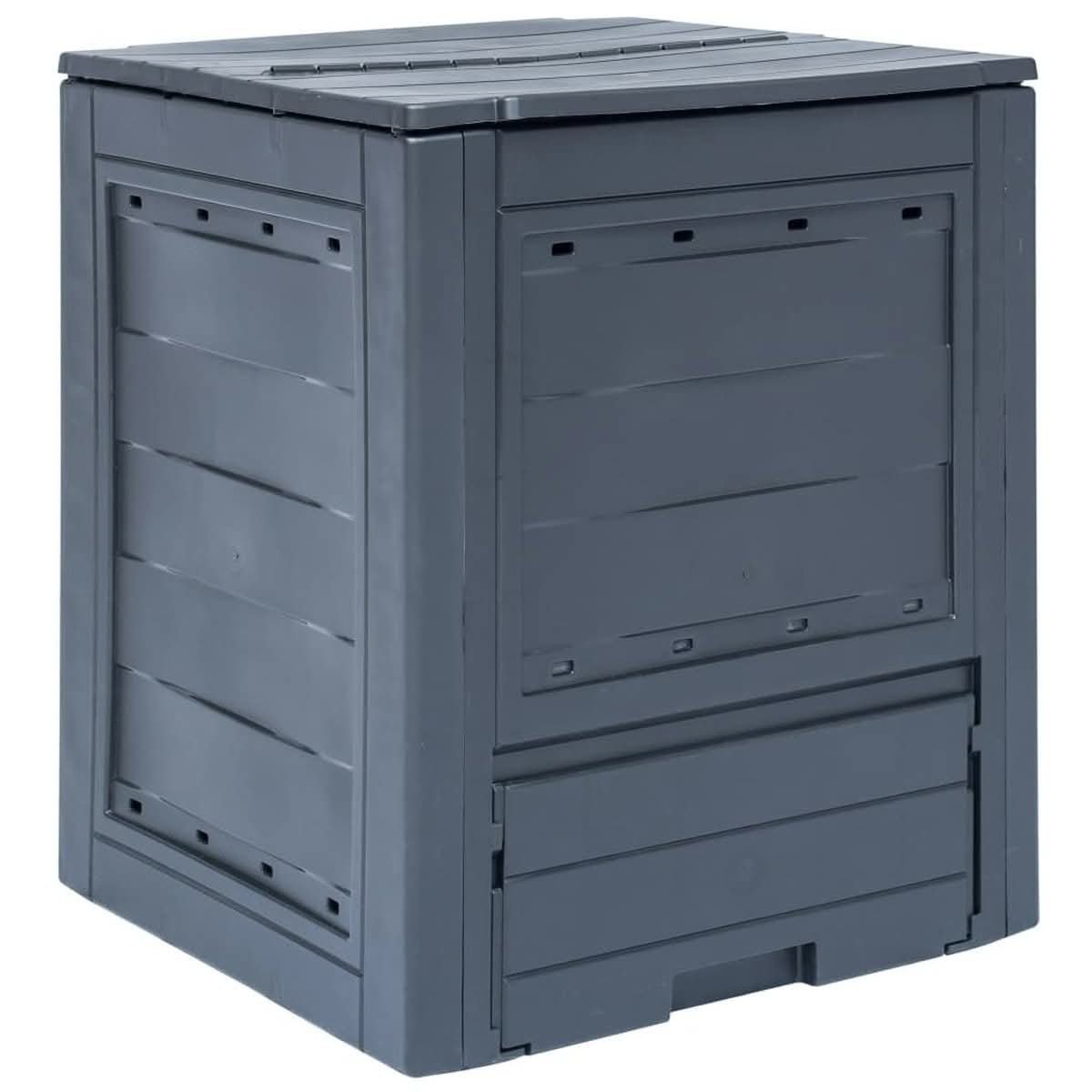
This one swaps the single moulded box above for flat resin panels that clip together into a 60 x 60 x 73cm bay holding 260 litres, with a hinged top for loading and grooved corner posts that let you add a second or third bay later without buying a whole new bin. It sits a step up in footprint from the plastic box above but a step below the three-bay system further down this list for total capacity.
Because each bay is a separate panel kit, a cracked panel years down the track is a cheap spare part and not a whole new bin, which matters in a climate where UV breaks down outdoor plastic faster than most buyers expect, think a western Sydney driveway in January, not a shaded Adelaide courtyard. Composting itself works the same as any single-chamber design: layer greens and browns, turn occasionally, and expect six to ten weeks depending on season.
There is no separate bottom hatch on this one, so once the lower layer has broken down you lift the whole frame off the pile instead of sliding a door open, a two-minute job when it is dry but a noticeably heavier one once the compost underneath is soaked after a wet week. Worth it if you like the idea of scaling up later; less appealing if you already know you want one bigger single bin instead of several small ones.
Pros:
- Expands bay by bay instead of forcing you to buy a bigger single bin upfront
- Panel-and-clip construction means a damaged panel is a cheap fix, not a full replacement
- Compact 60 x 60cm footprint fits tight courtyards and side passages
Cons:
- No bottom hatch, so emptying finished compost means lifting the whole frame off the pile
- Clip-together panels only stay fully square on level, firm ground; a sloping yard works them loose over time
- Resin panels are moulded to look like timber but fade and chalk in direct sun faster than real wood does
Key specs: 260L capacity; moulded resin panels; 60 x 60 x 73cm; hinged top lid; expands with additional bays. It sits in the mid-range for this category in Australia.
CHECK CURRENT PRICE3. 780L Three-Bay Modular Compost Bin – Best for Large Gardens
Three of the same 60 x 60 x 73cm bays as the single unit above, run side by side for 780 litres in total, set up so one bay cures while a second fills and a third sits empty ready to go. It is the only pick in this guide built around running more than one active pile at once.
That staged setup suits a bigger veggie patch or a household running a chook pen alongside the garden, where kitchen scraps, coop bedding and prunings add up to more green waste than any single 300L bin comfortably handles in a week. A quarter-acre block in outer Melbourne or Perth generating that much waste gets more out of three staggered bays than one bin filled and emptied on repeat.
Three bays take roughly three times the floor space of the single 260L version, so measure the spot against a fence line before committing; a common miss with expandable systems is buying before checking the run actually fits. Bunnings sells a similar staged concept in its own compost range, so the format itself is a familiar one to most Australian backyards even if this exact unit is not on their shelves.
Assembling three bays back to back takes a full afternoon instead of the twenty minutes a single bay needs, and access is the same lift-off design as the smaller version above: fine when compost is dry, heavier once it is wet.
Pros:
- Three bays let you fill, cure and rest compost on rotation instead of waiting on one pile
- Same panel-and-clip parts as the smaller version, so spares are easy to source
- Suits a chook pen or a big veggie patch generating heavy weekly green waste
Cons:
- Takes roughly three times the floor space of a single bay, easy to underestimate before it arrives
- Same lifting-off-the-frame access as the smaller version, awkward once compost is heavy and wet
- Assembling three bays back to back takes a full afternoon, not a quick twenty minutes
Key specs: 780L total across three 260L bays; moulded resin panels; 60 x 60 x 73cm per bay; hinged top lids. This is the premium end of this guide.
CHECK CURRENT PRICE4. White Slatted Wooden Compost Bin – Best Wooden Design
Solid pine slats replace resin panels here, painted white and standing 82.5 x 82.5 x 99.5cm on a raised frame, closer to garden furniture than a plastic bin and the pick most likely to actually look good against a fence or trellis instead of staying tucked out of sight. The gaps between slats give it better natural airflow than a sealed plastic box without drilling a single vent hole, which helps through a Queensland wet season where a sealed bin can turn anaerobic and start to smell if it is not turned often enough.
There is no stated litre rating from the maker, only exterior dimensions, so treat it as a mid-size single-chamber bin and do not assume it matches the 300L plastic box above litre for litre. Untreated pine greys within a season outdoors; this one ships painted, which buys time, though expect to touch up the paint every year or two in full sun, and the slats also mean it is not fully rodent-proof the way the sealed plastic and resin designs above are.
Pros:
- Slatted timber gives passive airflow no plastic bin matches without added vents
- Painted finish looks considerably better as a visible garden feature than a black plastic box
- Raised frame keeps the compost off waterlogged ground after heavy rain
Cons:
- No manufacturer litre rating, so capacity is an estimate based on its footprint, not a confirmed number
- Slats leave small gaps that are not fully rodent-proof compared with a sealed plastic design
- Paint needs the odd touch-up in full sun to stop the pine greying within a year or two
Key specs: 82.5 x 82.5 x 99.5cm; solid pine, painted white; slatted sides; raised frame.
CHECK CURRENT PRICE5. Maze Worm Farm – Best Worm Farm
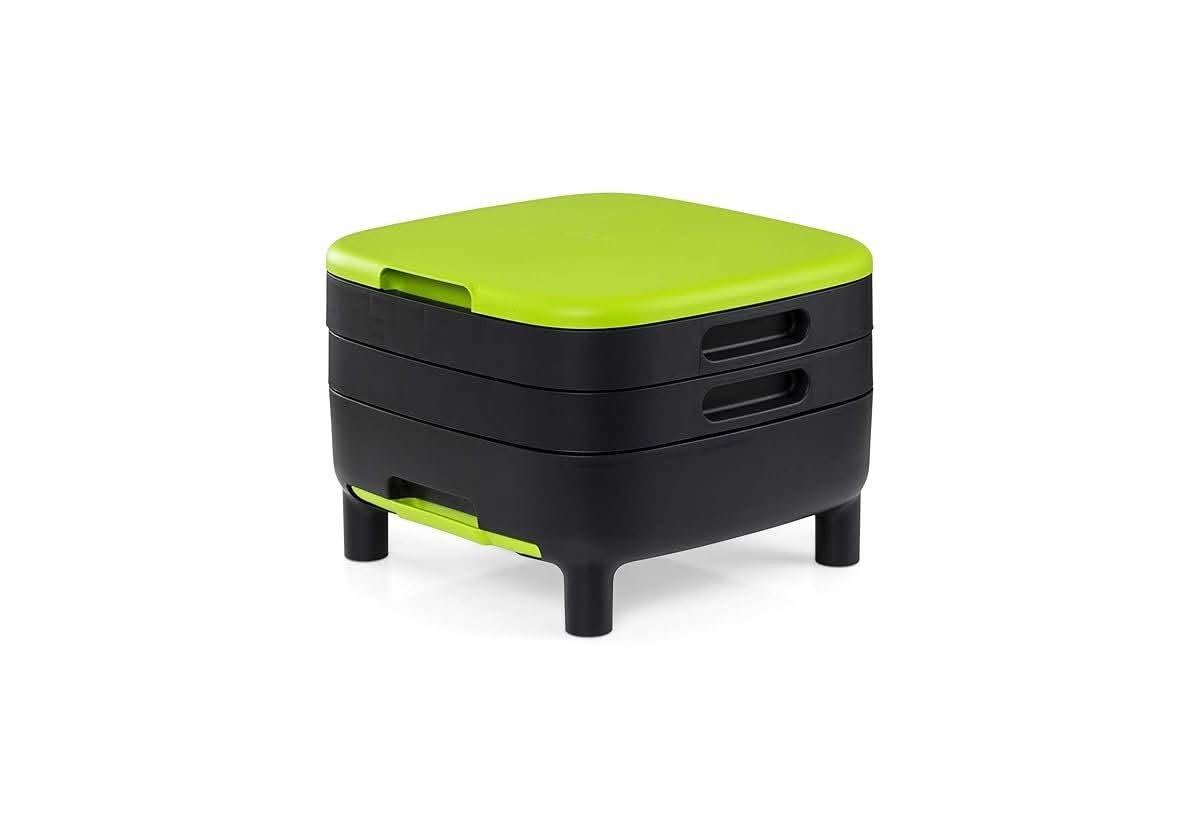
Maze is an Australian-made worm farm built from mostly recycled plastic, using two rotating 38.1cm-square working trays plus a base with a 2-litre liquid collection tray underneath to catch worm tea as it drains. Instead of one deep chamber, you work one tray at a time and rotate to the second once the first fills, removing the need to dig through old material just to add fresh scraps.
ProductReview.com.au’s compost bin listings rate the Maze Worm Farm a full five stars, with reviewers specifically calling out how little space it takes up on an apartment balcony or a small courtyard compared with a bulky single-chamber bin. Worth knowing before you buy: owners who left theirs undrained over a wet Melbourne winter report maggots turning up in the tray, sorted out easily enough by draining every four days instead of letting liquid build up.
A handful of owners also mention the base tap can weep slightly out of the box; wrapping it in plumber’s tape before you screw it on the first time fixes it for good. Not a dealbreaker. It is worth doing anyway, since a slow drip under a balcony worm farm is the kind of thing you only notice once it has stained the decking.
Pros:
- Small enough footprint for an apartment balcony or courtyard, unlike a bulky single-chamber bin
- Rotating tray design avoids ever digging through old material to add fresh scraps
- Rated a full five stars on ProductReview.com.au’s compost bin listings
Cons:
- Base tap can weep out of the box unless you wrap it in plumber’s tape before fitting it
- Skipping drainage for a few weeks over a wet winter invites maggots into the tray
- Only two working trays, so a larger household producing more scraps cycles through them faster than a single-chamber bin fills
Key specs: 2 rotating 38.1 x 38.1cm working trays; 2L liquid collection tray; 38.1 x 38.1 x 27.9cm assembled; recycled plastic construction.
CHECK ON AMAZON6. Greenlife In-Ground Worm Tower – Best for Small Spaces
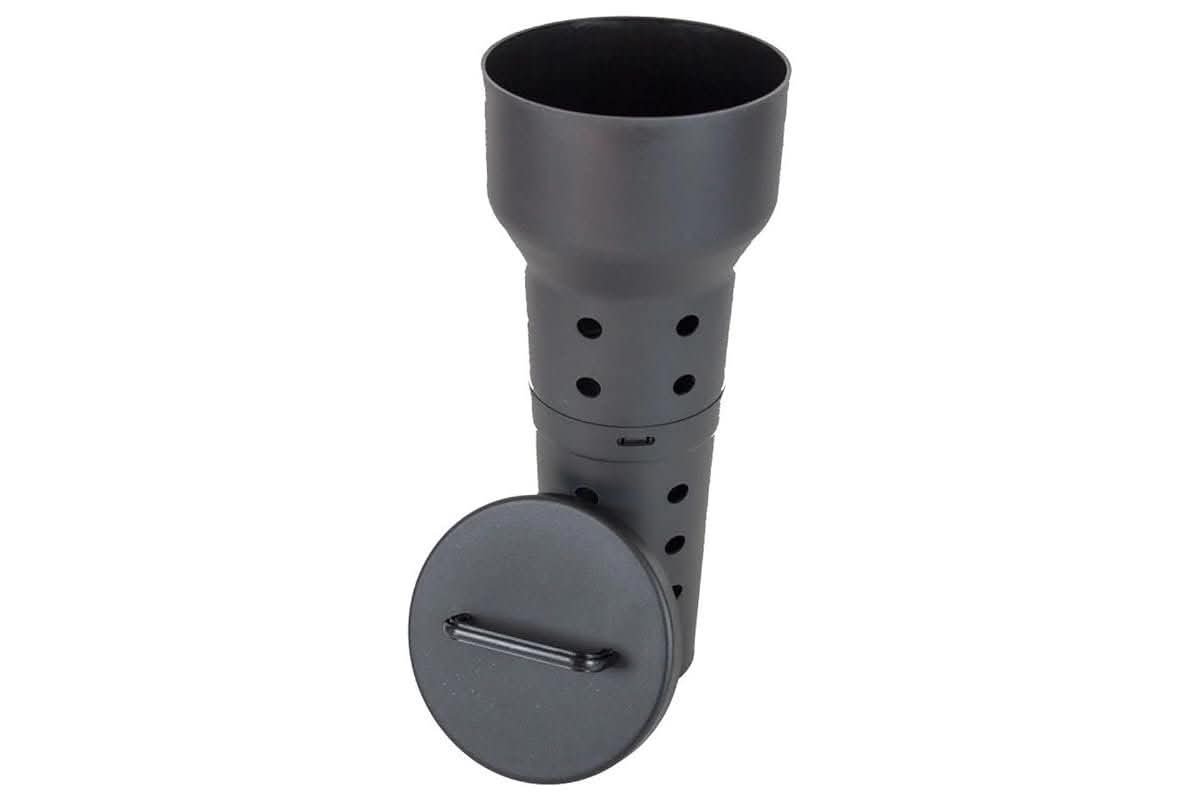
This is the smallest-capacity pick in this whole list, which makes it easy to skip past looking for something bigger. But for a raised veggie bed or a small backyard where digging a full in-ground trench is not practical, Greenlife’s tower does a job none of the bins above it can: it feeds worm castings and worm tea straight into the soil around whatever is planted nearby, instead of compost you have to dig out and carry elsewhere.
It works by burying most of its 52cm length directly into a garden bed, a 22cm-wide cylinder with a locking lid on top that keeps scraps in and pests out between top-ups, so worms move freely between the tower and the surrounding dirt. Like any in-ground tower, ants will move in if the scraps on top dry out, so a handful of moist bedding over fresh waste keeps that from becoming a problem through a dry Adelaide or Perth summer.
At 52cm tall with most of that buried, reaching all the way to the bottom to redistribute scraps evenly means using a trowel with a decent handle, not your hand alone. It also holds far less than any bin above it in this list, so it tops up one or two garden beds instead of processing a household’s full kitchen scrap volume week to week.
Pros:
- Feeds worm castings and worm tea straight into the surrounding soil instead of a separate bin you empty by hand
- Small 22cm diameter fits a raised bed or tight backyard corner
- Locking lid keeps possums and rats out between top-ups
Cons:
- Reaching the bottom of the 52cm tube to mix scraps evenly needs a long-handled trowel, not just your hand
- Ants can move in if the top layer of scraps is left to dry out
- Holds far less volume than any other pick here, so it tops up a garden bed and does not replace a full-size bin
Key specs: 22 x 22 x 52cm cylindrical tower; food-safe LDPE plastic; locking lid with handle; about 4kg. This is the cheapest pick in this guide.
CHECK ON AMAZONHow to Choose a Compost Bin
Match capacity to your household, not the biggest number in the range. A single-chamber 300L bin comfortably handles a family’s kitchen scraps and light garden waste, while a three-bay 780L system only makes sense once you are generating enough greens and browns weekly to keep multiple bays cycling. Buying bigger than needed just means a half-full bin taking up space, and buying smaller means restarting the cycle more often than you would like.
Material changes upkeep more than it changes results. Plastic and resin bins need almost no maintenance beyond an occasional hose-out, while a painted timber bin needs a touch-up coat every year or two if it sits in full sun, and untreated timber elsewhere greys and softens faster again. None of this changes how well the compost turns out, since aerobic decomposition works the same regardless of what the walls are made from; it changes how much upkeep you are signing up for over the bin’s life.
Work out how you will actually get compost back out before you buy. A bottom sliding door lets you harvest from underneath while the top keeps filling, suiting anyone who wants a constant, low-effort cycle. A design with no hatch has to be lifted clean off the finished pile instead, fine when the compost is dry and light but a two-person job once it is heavy and wet after rain. Worm farms are different again: you rotate trays or dig into a buried tower instead of emptying a bin in one go.
Think about what is actually going to try to get into it. Sealed plastic and resin designs with a locking lid keep possums and rats out reasonably well; slatted timber and anything without a proper latch is easier for a determined animal to nose open, especially if food scraps go in before they are covered with browns like dry leaves or shredded paper. A rural block backing onto bush is a different pest environment to a fenced inner-city courtyard behind a weatherboard cottage, so weigh that against the design before deciding.
Consider where it is actually going to sit for the next few years. Got a spot that gets full sun most of the day, or one tucked in permanent shade against a side fence? A bin in full Perth or Adelaide summer sun breaks down material faster but dries out quicker too, needing more frequent watering-in of dry scraps, while a shaded Hobart or Melbourne position stays more consistently moist but slows right down over winter. Level, well-draining ground matters more than most buyers expect, especially for anything with clip-together panels that can work loose on a slope.
Decide between bulk composting and vermicomposting before comparing specs line for line. A single-chamber or modular bin suits anyone with a genuine volume of kitchen and garden waste to process, while a worm farm or in-ground tower suits smaller households, apartments and anyone who wants compost without turning a pile by hand. The highest-rated entries in ProductReview.com.au’s compost bin category tend to be the smaller, simpler designs, not the biggest bins, precisely because they match what most households actually generate. If hedge and shrub trimmings make up a good share of your garden waste, it is worth cross-checking against the best hedge trimmers in australia too, since coarser prunings take longer to break down than fine kitchen scraps regardless of which bin you choose.
You’ll Also Want
Whatever bin you land on, a manual compost aerator saves your back compared with turning a full pile by fork alone: the winged tip on a Darlac Compost Aerator opens air pockets through the pile with a push and a twist instead of lifting and flipping material by hand.
A countertop kitchen caddy for scraps means one trip to the outdoor bin a day instead of a dozen, and the Blue Ginkgo Kitchen Compost Bin keeps food scraps sealed and out of sight on the bench between trips.
Whichever design you choose, an even moisture level (about as damp as a wrung-out sponge) matters more than most people realise, and a decent hose reel makes topping up a bin through a dry spell far less of a chore. Worth checking against the best hose reels in australia if your current setup is a tangle of hose across the lawn.
Frequently Asked Questions
What is the difference between a compost bin and a compost tumbler?
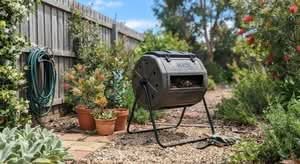
A compost bin is a fixed, open-bottomed container that sits directly on soil so worms and microbes move in naturally, broken down through layering and occasional turning by hand. A compost tumbler is a sealed, rotating drum raised off the ground on a frame, mixed by cranking or spinning it instead of turning material with a fork. Bins generally cost less and process larger volumes; tumblers turn compost faster but hold less per unit and need regular cranking to work well.
How long does it take a compost bin to produce usable compost in Australia?
A well-managed static bin typically produces usable compost in six to twelve weeks over a warm Queensland or NSW coastal summer, since heat speeds up microbial activity. Over a cooler Victorian, Tasmanian or ACT winter, the same bin can take three to six months as decomposition slows right down. Keeping a roughly even mix of dry browns like leaves or shredded paper with wet greens like scraps, and turning occasionally, shortens the wait regardless of season.
Do I need a bottom or a base on a compost bin?
Most static compost bins are deliberately open at the base so the pile sits in direct contact with garden soil, letting worms and beneficial microbes move in on their own rather than being added by hand. This also lets excess moisture drain away instead of pooling inside. A sealed base only matters if composting on concrete or paving, in which case a layer of straw or soil placed underneath first gives worms a way to reach the pile.
How do I stop rats or possums getting into a compost bin?
Choose a bin with a locking or well-fitted lid, and always bury fresh food scraps under a layer of dry browns like leaves or shredded paper instead of leaving them exposed on top, since smell is what draws pests in the first place. Sealed plastic and resin bins deter rodents better than slatted timber designs, and avoid adding meat, dairy or oily food scraps, which attract pests far more than plant-based kitchen waste does.
Can I compost in a small courtyard or apartment balcony?
Yes, a stacked worm farm or a compact in-ground worm tower suits a courtyard or balcony far better than a large single-chamber bin, since both work in a fraction of the footprint and produce far less odour when maintained correctly. Worm farms need trays drained regularly to avoid a build-up of liquid, and an in-ground tower needs a garden bed to sit in, not a pot, so check your space suits the design before buying.
What is the ideal ratio of greens to browns in a compost bin?
A rough starting ratio is one part nitrogen-rich greens, such as fruit and vegetable scraps or fresh grass clippings, to two or three parts carbon-rich browns, such as dry leaves, shredded paper or cardboard. Too many greens make the pile wet, dense and smelly; too many browns slow decomposition down to a crawl. Adjusting the mix after a couple of weeks, based on smell and texture, matters more than hitting an exact ratio from day one.
Verdict
For most Australian backyards, the 300L compost bin is the easiest starting point: cheap to buy, quick to set up and roomy enough for a typical household’s kitchen and garden waste. Anyone with a bigger veggie patch or a chook pen generating serious volume gets more out of the 780L three-bay system, while an apartment or small courtyard gets more genuine use out of the Maze Worm Farm than any bin built for a quarter-acre block. Whichever one you land on, matching capacity to how much waste your household actually produces matters more than any single feature on the spec sheet.