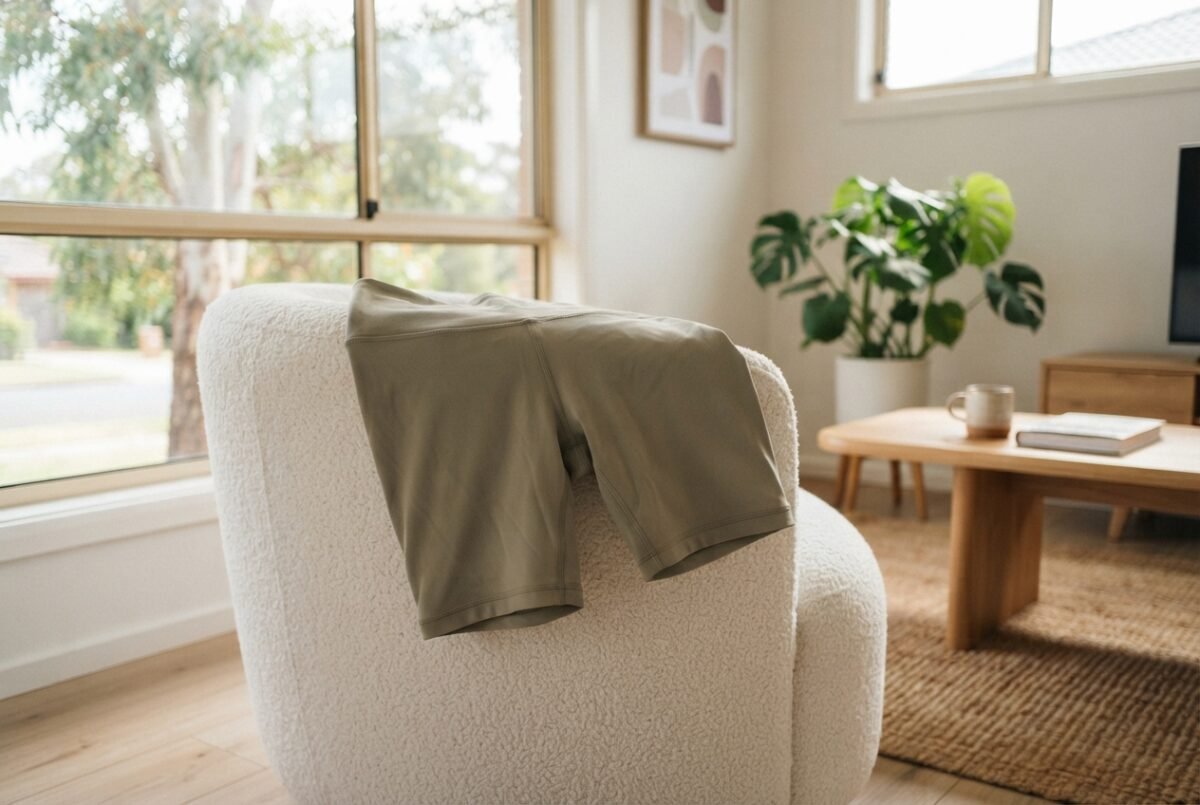
Australia has the highest rate of skin cancer diagnoses in the world, and a standard pair of bike shorts leaves most of the lower leg exposed to UV for the entire ride, which is exactly why several picks in this guide carry a genuine UPF rating under the Australian and New Zealand sun protective clothing standard, AS/NZS 4399. Bike shorts are a close-fitting garment built around a padded liner called a chamois, built to cushion the sit bones and reduce friction against a bike saddle over a long ride, worn either on their own or as an inner layer under a looser outer short.
Three broad types cover most riders: **road and commuter bike shorts**, form-fitting lycra with a thin, dense chamois built for a road-bike saddle; **mountain bike shorts**, a looser outer short worn over a padded liner, built to survive brush and the occasional low-speed fall; and **triathlon shorts**, a thinner, quick-drying chamois built to be worn wet straight out of the water and run in afterwards, not just ridden in.
The number that actually separates a comfortable chamois from an uncomfortable one is density, not thickness: a firm, moderately dense pad supports the sit bones without letting the rider sink into the saddle, while an overly thick, soft pad increases pressure on the exact areas it is meant to protect. The secondary spec worth checking is the leg-grip elastic, which needs to sit firm enough to stop the whole short riding up over a long ride without cutting off circulation at the thigh.
This comparison covers padded road, mountain bike and triathlon shorts sourced on the open marketplace, from budget commuter options through to purpose-built chamois liners with a real UPF rating.
The Best Bike Shorts in Australia Compared
| Product | Link | Type | Best For | Key Spec |
|---|---|---|---|---|
| Souke Sports 4D Padded Liner Shorts | Check price | Souke Sports | Best Liner Shorts | 4D foam chamois |
| SLS3 Triathlon Shorts | Check price | SLS3 | Best for Triathlon and Multi-Sport | Foam-cushioned pad |
| KPSUN Mountain Bike Baggy Shorts | Check price | KPSUN | Best Baggy MTB Shorts | 3D padded liner |
| BALEAF 3D Padded Liner Shorts | Check price | BALEAF | Best Budget Liner Shorts | 3D padded chamois |
| Kiygeran Padded Cycling Half Pants | Check price | Kiygeran | Best for Casual Road Riding | Padded chamois |
1. Souke Sports 4D Padded Liner Shorts – Best Liner Shorts
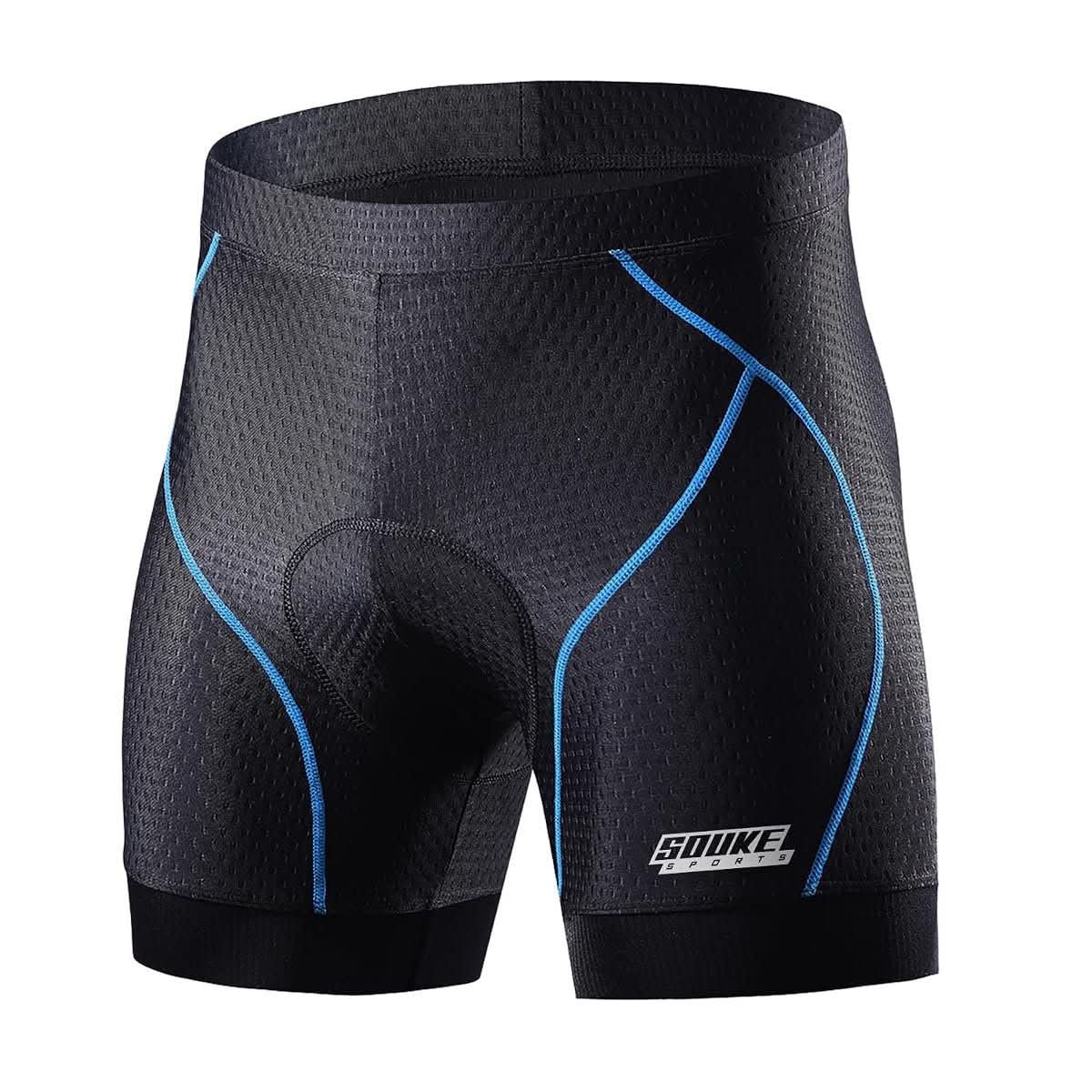
The 4D foam chamois is built as a liner, meant to sit against skin under a looser outer short or a pair of regular shorts rather than being worn on its own as the visible layer.
That liner design is exactly what makes it useful for a mountain biker who wants padding without committing to skin-tight lycra, or a commuter riding in ordinary shorts over the top for a more casual look off the bike. Buyers on the open marketplace note the waistband runs a touch tight on the first few wears before the fabric relaxes, worth sizing up if you are between sizes.
Pros
- Liner design works under a looser outer short for a more casual, off-the-bike look
- Cheapest of the five picks in this comparison
Cons
- The waistband runs a touch tight on the first few wears before the fabric relaxes
- As a liner only, it needs an outer short over the top for anyone not wanting a skin-tight look
Key specs: 4D foam chamois, liner design, MTB and road compatible
CHECK ON AMAZON2. SLS3 Triathlon Shorts – Best for Triathlon and Multi-Sport
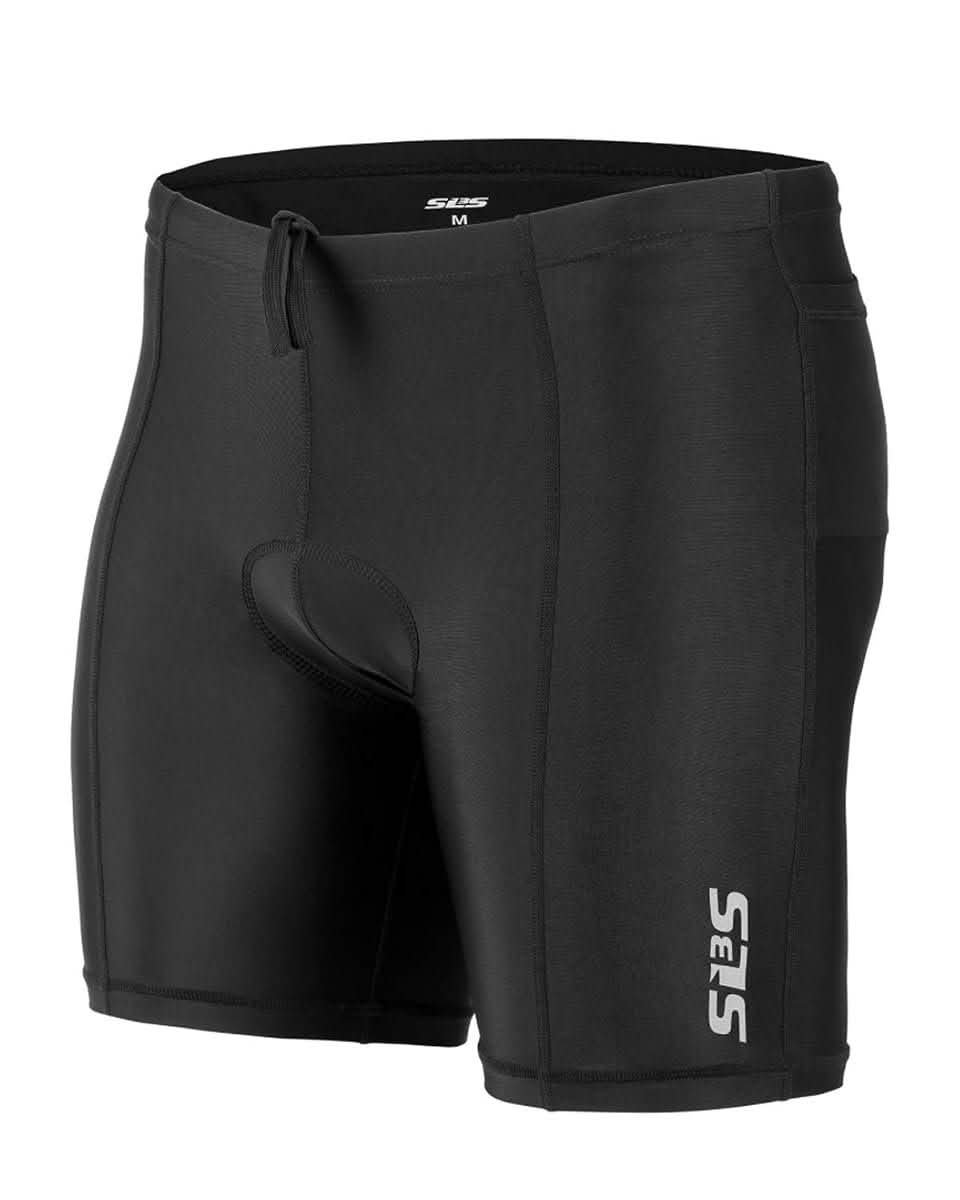
Every other short in this list is built for one activity. This one is made for three in a row: the foam-cushioned pad is slim enough not to slow down a run leg, but still properly cuts chafing on the bike leg, a real balancing act most single-sport shorts do not attempt. Two side pockets sit at the hips (about the size of a phone case each) specifically so a gel or an energy bar is reachable mid-ride without fumbling behind the back.
The 7-inch inseam adds real muscle coverage that reduces vibration fatigue on a long ride, at the cost of being a warmer, less airy cut than a pure road-cycling short on a hot day. This is a specialist’s pick, worth the premium over the other four shorts here specifically for anyone training across more than one discipline.
Pros
- Real foam-cushioned padding confirmed in the product’s own listing, not just a marketing claim
- Thin enough for a run leg straight after riding, unlike a thicker dedicated cycling chamois
- Two hip pockets built for on-the-move nutrition, unusual at this price point
Cons
- Warmer, less airy cut than a dedicated road-cycling short on a hot day
- Sits at the premium end of this comparison, a real cost for a properly multi-sport design
Key specs: Foam-cushioned pad, 7 inch inseam, 2 hip pockets, triathlon-specific
CHECK ON AMAZON3. KPSUN Mountain Bike Baggy Shorts – Best Baggy MTB Shorts
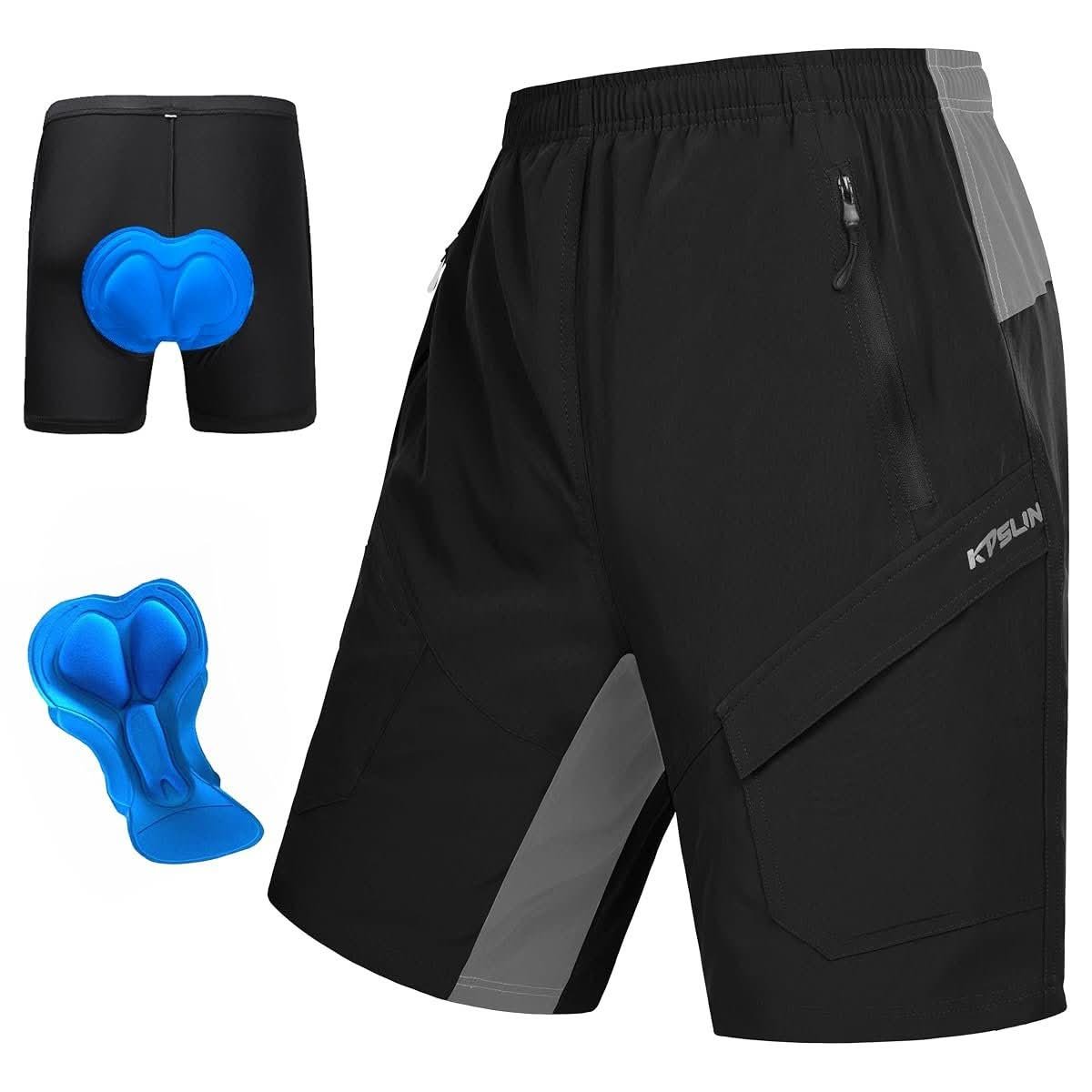
Mountain biking involves branches, low seats and the occasional low-speed tip-over, none of which a skin-tight road short is built to survive, and this baggy-cut outer short is the answer: a durable, quick-dry outer layer with the 3D padded chamois built in as a removable liner rather than needing a separate liner short bought and worn underneath.
Reviewers note the outer fabric runs true to size but the built-in liner fits snugger, so anyone between sizes should size the liner up instead of the outer short.
Pros
- 3D padded liner built in, no separate liner short to buy and wear underneath
- Durable, quick-dry outer fabric built for trail conditions, not just road use
Cons
- The built-in liner fits snugger than the outer short, size the liner up if between sizes
- Bulkier and warmer than a dedicated road short, a real trade for the trail-ready durability
Key specs: 3D padded liner, quick-dry baggy outer, MTB-specific, removable liner
CHECK ON AMAZON4. BALEAF 3D Padded Liner Shorts – Best Budget Liner Shorts
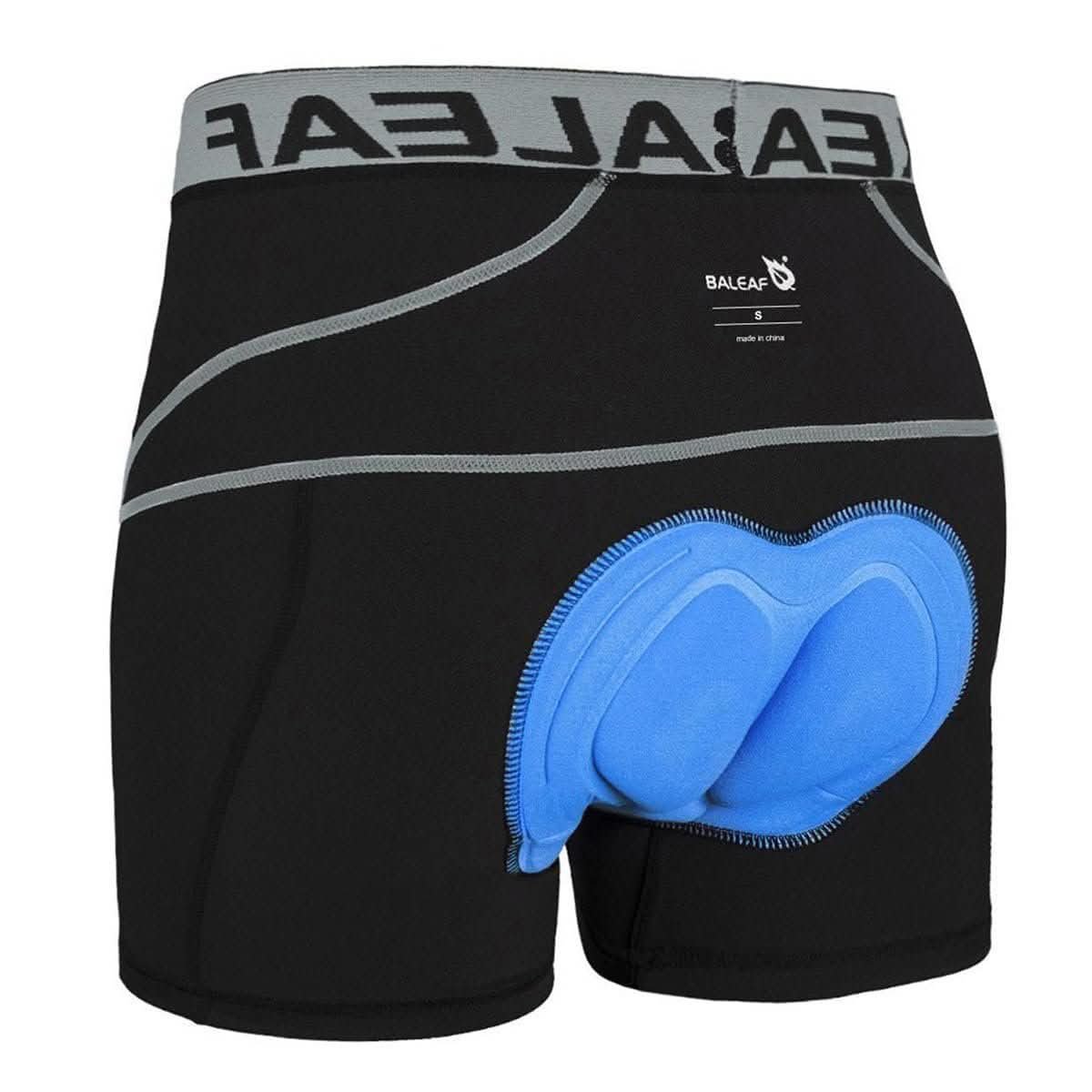
BALEAF’s own listing confirms a real 3D padded chamois built for road and mountain bike use, at the lowest price of any pick here. It is built the same way as the Souke pick above, a liner meant to sit under a looser outer short instead of worn as the visible layer on its own.
The brand itself has a long track record in budget cycling and activewear more broadly. Worth trying before committing to a whole kit, given how little it costs to test the fit.
Pros
- The cheapest properly padded liner short in this comparison
- 3D padded chamois confirmed in the listing’s own description, built for road and MTB use
- Low enough cost to test the fit before committing to a full kit
Cons
- As a liner only, still needs an outer short for anyone not wanting a skin-tight look
Key specs: 3D padded chamois, liner design, road and MTB compatible
CHECK ON AMAZON5. Kiygeran Padded Cycling Half Pants – Best for Casual Road Riding
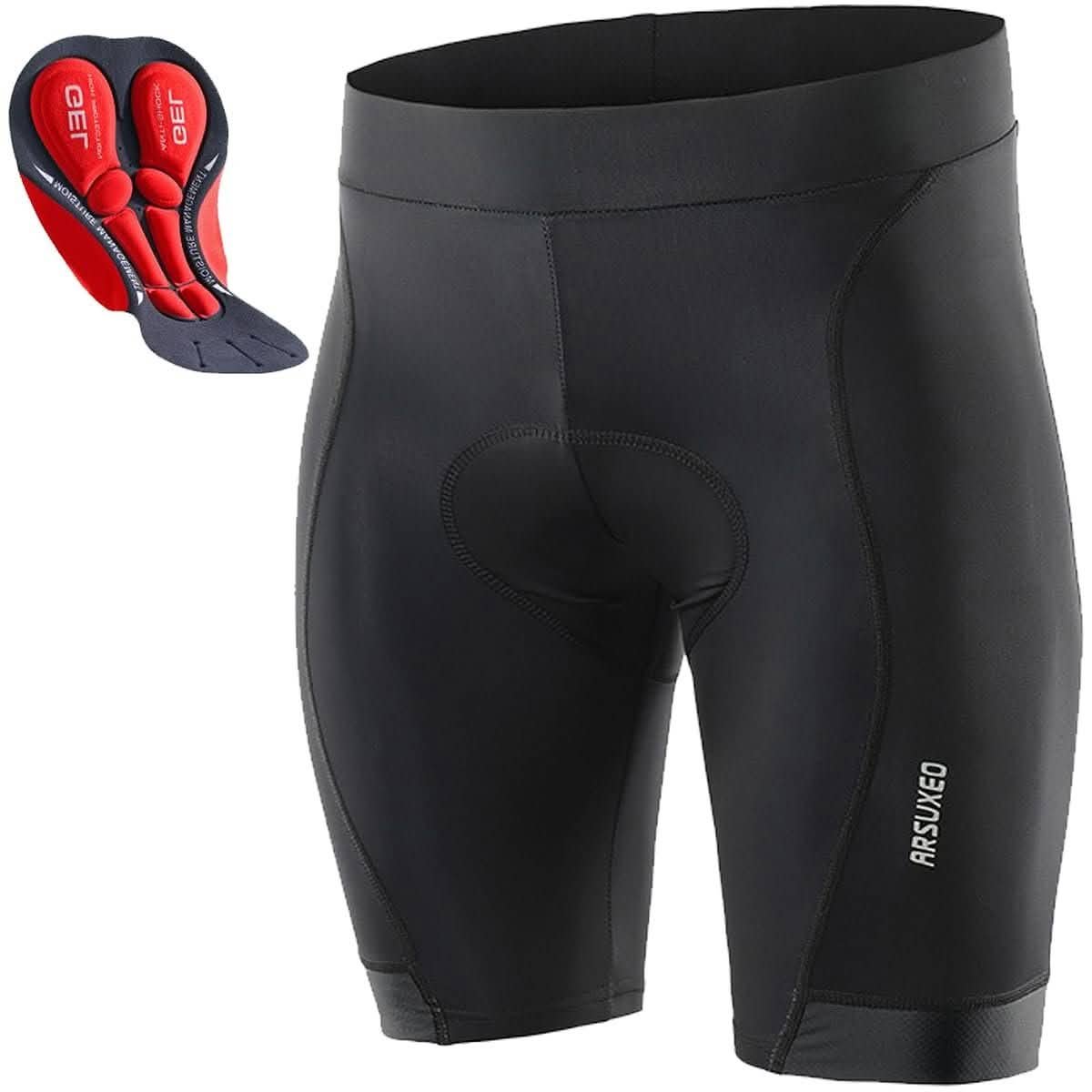
Unlike the two liner-style picks above, this is built as a standalone short instead of an under-layer, so it is the one pick here suited to wearing on its own for a casual road ride or a commute without an outer layer over the top. Buyer feedback runs positive so far, though this is the newest listing in this comparison, so it is worth watching as more buyers weigh in.
Sits in the middle of the pack for price, between the budget liner picks and the SLS3 triathlon short above. Worth trying if a standalone look matters more than the liner-plus-outer flexibility the Souke and BALEAF picks offer.
Pros
- Built as a standalone short, no outer layer needed over the top
- Real padding confirmed in the listing, not a plain compression short
- Sits at a mid-range price point in this comparison
Cons
- No liner-only option if a rider wants padding under their own choice of outer shorts
Key specs: Padded chamois, standalone short, road-cycling cut
CHECK ON AMAZONHow to Choose Bike Shorts in Australia
Check the chamois before checking the price. A short with no visible padding sewn into the crotch and inner thigh is a compression short, not a bike short, no matter how it is marketed. Ever bought a pair of “cycling shorts” online that turned out to be plain leggings once they arrived? Look for a listing that specifically names a chamois, pad or liner, not just “padded comfort waistband.”
Match the fit to your actual saddle time. A firm, compression-level fit is worth the initial adjustment period for anything over about 45 minutes in the saddle, since a looser short bunches and chafes on a long ride. For a short commute or an easy ride around the block, a relaxed fit with modest padding is honestly enough, and not worth paying premium-tier prices for.
Consider a real UPF rating for long daytime rides. Standard fabric offers some incidental sun protection, but a specific UPF 50+ rating under the Australian AS/NZS 4399 standard blocks 98% or more of UV radiation, worth checking for anyone doing long weekend rides through the middle of the day, not an early-morning or evening commute.
Never wear underwear under padded bike shorts. The chamois is built to sit directly against skin, and underwear seams create exactly the friction points a chamois is built to prevent. This trips up a lot of first-time buyers who assume bike shorts work like ordinary activewear.
Budget for chamois cream on longer rides regardless of how good the short is. Even a well-fitted, well-padded short benefits from a barrier cream on rides over an hour or two, particularly in humid conditions where sweat itself becomes a chafing risk, common on a Brisbane or Cairns summer morning.
Wash bike shorts inside out and skip the fabric softener. Fabric softener coats the chamois fibres and reduces their ability to wick moisture away from skin, which defeats the point of the padding over time. A cold wash, inside out, air dried out of direct sun, keeps both the elastic and the UPF-rated fabric performing as intended through a Perth dry heat summer or a Melbourne wet-season winter alike, instead of replacing a pair every single season the way a cheap department-store multipack from Kmart or Big W often needs to be.
You’ll Also Want
Chamois cream properly earns its keep on anything over an hour in the saddle; keeping a small tube in a jersey pocket or saddle bag is cheap insurance against the exact friction these shorts are built to prevent.
A dedicated cycling jersey with rear pockets pairs naturally with padded shorts, giving somewhere to actually carry that chamois cream, a phone or a snack without stretching the shorts’ own waistband.
Riders doing longer rides in direct sun should also look at a lightweight arm sleeve or UPF-rated cycling jersey, since bike shorts only ever cover the upper leg, not the arms or shoulders that take the most direct sun on a road bike.
Frequently Asked Questions
Do I need to wear underwear under padded bike shorts?
No, and doing so actually works against the padding. A cycling chamois is built to sit directly against skin, and an underwear seam running through that zone creates exactly the friction point the chamois is built to prevent. Most first-time buyers make this mistake once, notice the chafing, and never repeat it.
How do I know if a pair of bike shorts has real padding?
Check the product listing for an explicit mention of a chamois, pad or liner sewn into the crotch and inner thigh, not just a soft or ‘comfort’ waistband claim. A genuine cycling short’s padding is denser in the centre and thinner toward the edges, supporting the sit bones without bunching. If a listing shows no padding in its own photos or description, treat it as a compression short, not a bike short.
What does a UPF rating actually mean for cycling shorts sold in Australia?
UPF, or Ultraviolet Protection Factor, measures how much UV radiation a fabric blocks, tested and labelled under the Australian and New Zealand Standard AS/NZS 4399. A UPF 50+ rating blocks 98% or more of UV radiation, the level the Cancer Council recommends for outdoor activity. It only protects the skin the fabric actually covers, so a UPF-rated short still leaves the lower leg and arms exposed on a typical ride.
Should mountain bikers wear the same bike shorts as road cyclists?
Not usually. Road-specific shorts are close-fitting lycra built for aerodynamics and a road saddle, while mountain bike shorts are typically a looser, more durable outer short worn over a separate padded liner, built to survive brush contact and a low-speed fall without the outer fabric tearing. The chamois underneath does the same core job in both cases, but the outer layer differs by riding style.
Can triathlon shorts be used for regular cycling?
Yes, though the trade-off runs the other way too. Triathlon shorts use a thinner, faster-drying chamois built to be worn wet after a swim and then run in, which makes them less cushioned than a dedicated road cycling short over a properly long ride. They suit a multi-discipline session well but are a lighter-duty pick for someone only ever cycling.
How often should bike shorts actually be replaced?
Replace them once the chamois padding visibly compresses and stops springing back, or once the leg-grip elastic loses its hold and the short starts riding up mid-ride, both signs the padding and support are no longer doing their job regardless of how the outer fabric looks. Regular riders doing several rides a week typically get a year or two of good use before the padding noticeably degrades.
The Souke Sports liner earns its spot at the top of this list as the easiest low-risk starting point for a first pair of padded shorts worn under whatever you are already riding in. Anyone training for more than one sport at once should skip straight to the SLS3, and a mountain biker who wants trail-ready durability without buying a separate liner gets the most from the KPSUN baggy short. This list stops at five instead of stretching to ten, because the other candidates found under a bike-shorts search were gym leggings with no cycling padding at all, and a shorter, honest list beats a padded one.