
A baby carrier is a wearable harness, sling or framed pack that holds an infant or toddler against your body, keeping the hips in a supported M-position while leaving both hands free. The best baby carriers in Australia support a newborn without a separate insert, adjust to keep the seat width correct as the legs grow, and spread the load across the hips rather than hanging it from the shoulders.
Four designs cover the field. Structured carriers use buckles and a padded waistband and offer multiple carry positions. Soft knit carriers and wraps suit newborns, with fabric rather than webbing against a small body. Slings and hip seats go on in seconds for the constant short lifts a toddler demands. Framed backpack carriers hold a child off your spine for distance walking.
Age range is the specification that decides how many carriers you end up buying. Models here span 0 to 12 months at the newborn end and 4 to 48 months at the toddler end, with the all-rounders covering 0 to 48 months in one purchase. Hip positioning matters just as much: paediatric guidance is that the carrier should support the thigh from knee to knee, so the legs sit in an M shape rather than dangling from the crotch.
This guide compares six carriers on age range, carry positions, how the load is distributed, how quickly each one goes on, and which stage of babyhood each is genuinely built for.
Quick Picks
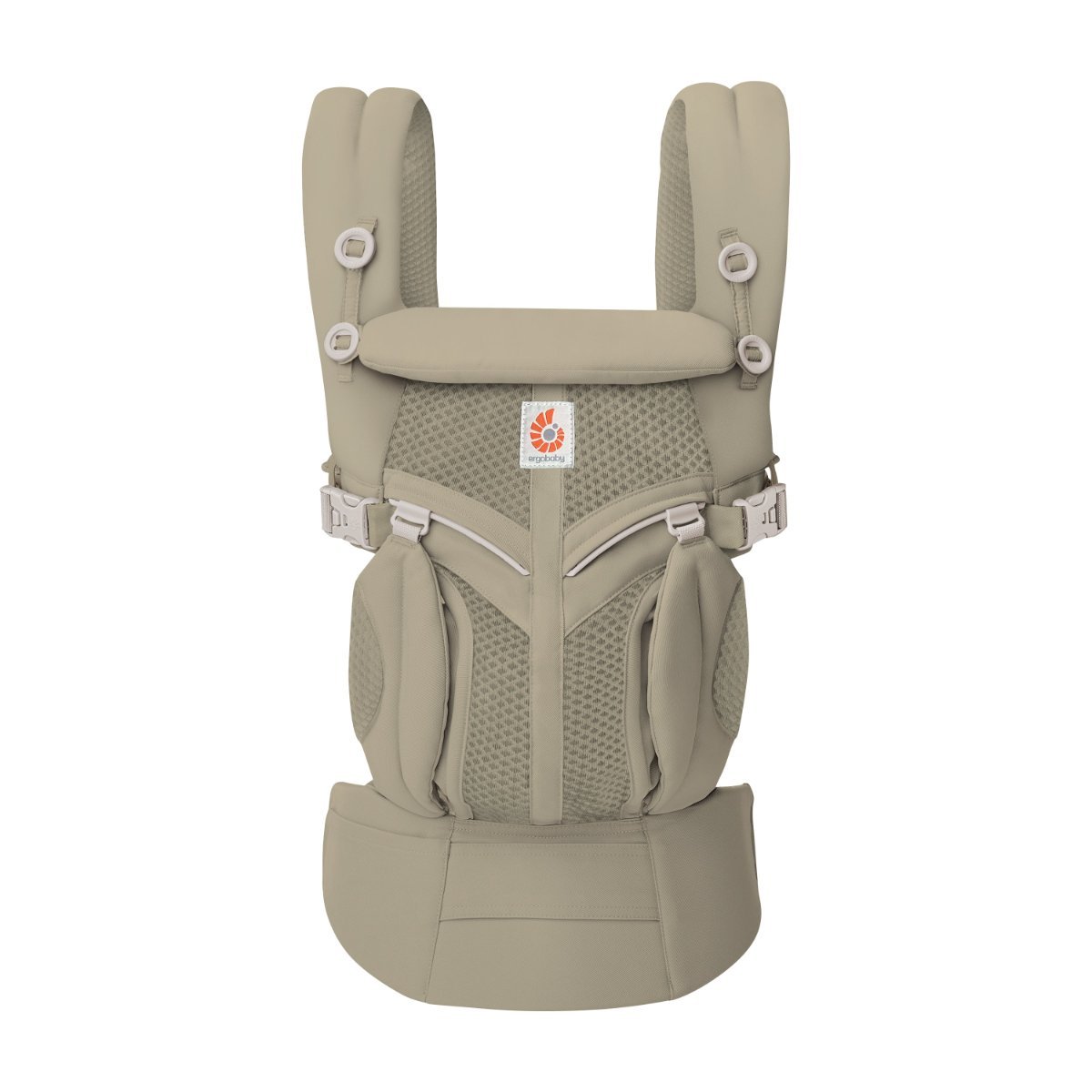
Ergobaby Omni Classic Mesh Baby Carrier
Four carry positions across the first four years, in breathable mesh with lumbar support.
CHECK CURRENT PRICE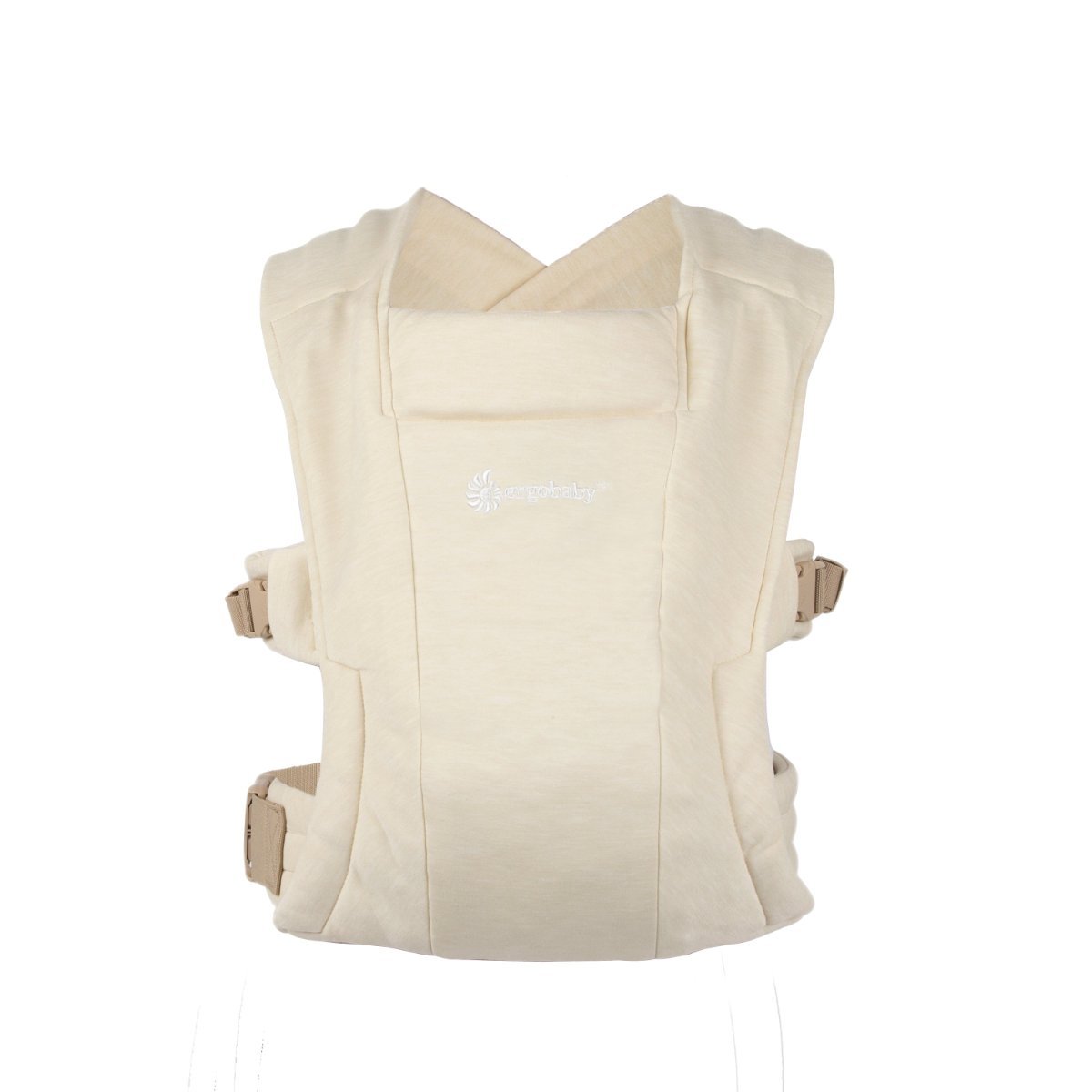
Ergobaby Embrace Newborn Carrier
A soft knit carrier for the first twelve months, with no tying and no insert.
CHECK CURRENT PRICE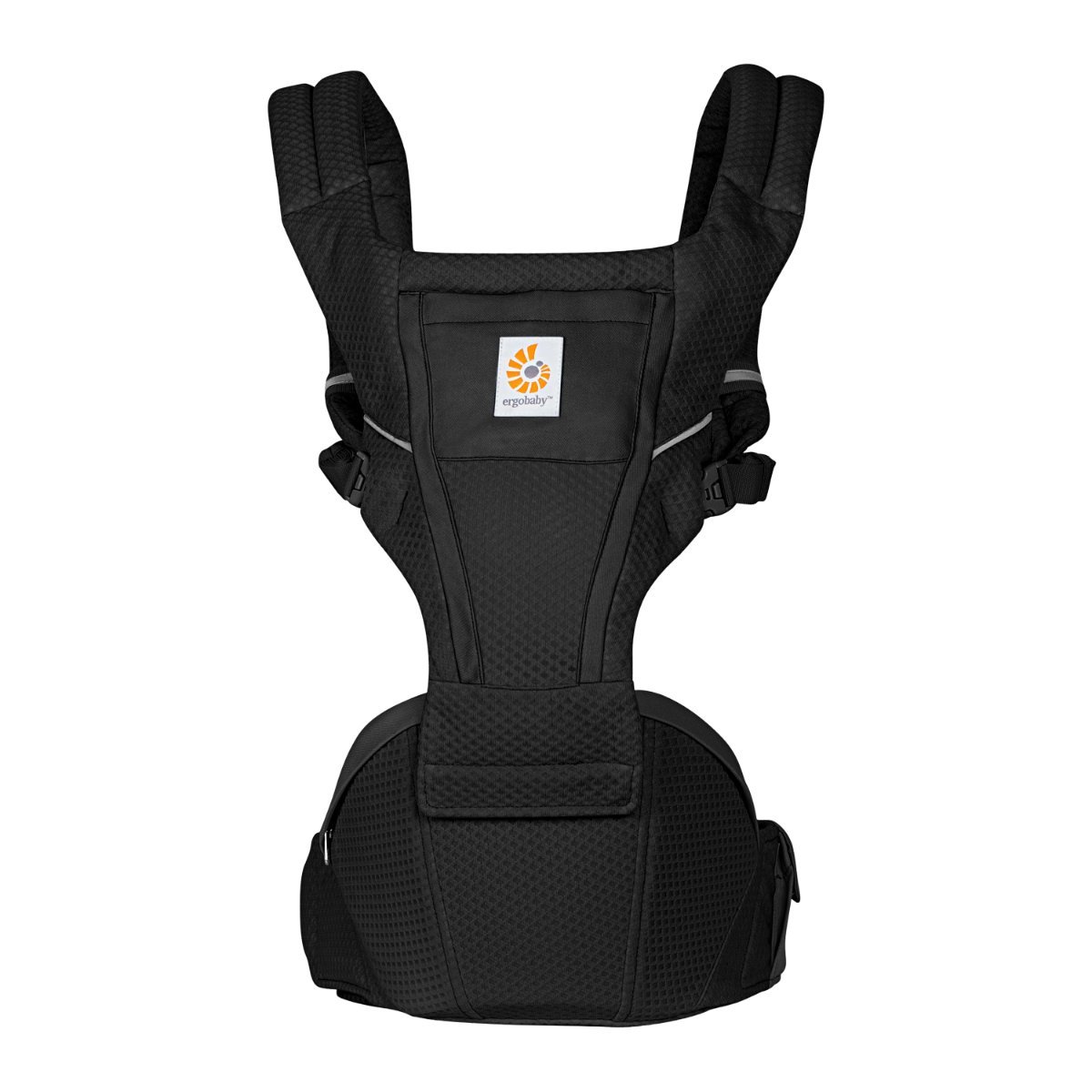
Ergobaby Alta Hip Seat Baby Carrier
A rigid hip seat plus a full carrier, with three positions of each for ages four to 48 months.
CHECK CURRENT PRICEBest Baby Carriers in Australia Compared
| Product | Link | Type | Best For | Key Spec |
|---|---|---|---|---|
| Ergobaby Omni Classic Mesh Baby Carrier | Check price | Structured, 4-position | The whole 0 to 4 years | 4 positions, 0-48 months |
| Ergobaby Embrace Newborn Carrier | Check price | Soft knit, 2-position | The first year | 2 positions, 0-12 months |
| Ergobaby Alta Hip Seat Baby Carrier | Check price | Hip seat plus carrier | Heavier toddlers | 3 carry plus 3 seat positions |
| Ergobaby Omni Lite Baby Carrier | Check price | Streamlined, 1-position | Everyday errands | 1 position, 0-24 months |
| Ergobaby Upsie Sling Carrier | Check price | Compact sling | Toddlers who walk | 2 positions, 6-48 months |
| Wipha Baby Backpack Carrier | Check price | Framed backpack | Bush walking | Framed, sun canopy |
1. Ergobaby Omni Classic Mesh Baby Carrier – Best for Newborn to Toddler
Four ergonomic positions sit in this one carrier: inward, outward, back and hip. It is newborn-ready without an insert and rated to 48 months, which is the full span most families need from a single purchase. The mesh panel is the version to pick in an Australian summer.
Buying once rather than three times is the argument. A newborn-only carrier gets outgrown at twelve months and a toddler carrier will not take a newborn safely, so families who buy narrow usually buy twice. Three-way adjustable head support covers a sleeping newborn and an alert six-month-old, and the adjustable bucket seat keeps the hips in the M-position paediatricians look for as the legs lengthen.
It is the most expensive carrier here and the most structured, so it takes a minute to put on rather than seconds. Parents who want one carrier to cover the whole of babyhood, rather than the cheapest carrier for right now, should start here.
Pros
- Four carry positions: inward, outward, back and hip
- Newborn ready with no separate insert
- Breathable mesh suits Australian heat
- Three-way adjustable head support
- Adjustable bucket seat maintains hip positioning to 48 months
Cons
- Highest price in this guide
- More buckles to adjust than a sling or wrap
Key specs: 4 ergonomic carry positions, 0 to 48 months, breathable mesh panel, lumbar support, adjustable bucket seat and head support
CHECK CURRENT PRICE2. Ergobaby Embrace Newborn Carrier – Best for Newborns
Soft knit fabric rather than webbing gives this the feel of a wrap with none of the tying. Two positions, inward and outward, cover the first twelve months, and there is no insert to lose or fit.
Newborn carriers fail on complexity. A stretchy wrap is genuinely comfortable but needs several metres of fabric wound correctly every time, and a new parent at three in the morning will give up on it. This gets the softness against a small baby without the learning curve, and the padded head and neck support holds a floppy newborn where it should be.
Twelve months is a firm ceiling and there is no back carry, so it will be outgrown while the child is still being carried. For the newborn months specifically, when nothing structured feels right against a small body, it is the easiest carrier here to actually use.
Pros
- Soft knit fabric, comfortable against a newborn
- No tying and no insert required
- Padded head and neck support
- Adjustable bucket seat for hip positioning
- Simple enough to fit one-handed
Cons
- Outgrown at around 12 months
- No back or hip carry position
Key specs: 2 ergonomic positions inward and outward, 0 to 12 months, soft knit fabric, padded head and neck support
CHECK CURRENT PRICE3. Ergobaby Alta Hip Seat Baby Carrier – Best for Toddlers
A structured hip seat forms the base of this one, with a full three-position carrier over the top and a wide curved seat underneath the child. It covers four to 48 months and includes a sun hood and a storage pocket.
Weight is what ends babywearing for most parents, and a hip seat changes the physics. The rigid shelf transfers a toddler onto the pelvis instead of hanging everything from the shoulders, which is why people who gave up carrying at fifteen kilos often carry on with one of these. Using the seat alone for short lifts, without clipping the full carrier on, is faster than either a sling or a structured carrier.
The rigid seat means it does not fold flat and takes real room in a nappy bag. Where the child is heavy and still wants carrying, it is the design that keeps that possible for longest.
Pros
- Rigid hip seat transfers weight onto the pelvis
- Three carry positions plus three hip seat positions
- Wide curved seat supports the hips
- Sun hood and storage pocket included
- Seat can be used alone for quick lifts
Cons
- Rigid seat does not fold flat
- Bulky to carry when not in use
Key specs: 2-in-1 hip seat and 3-position carrier, 4 to 48 months, ergonomic curved bucket seat, wide padded waistband, sun hood, storage pocket
CHECK CURRENT PRICE4. Ergobaby Omni Lite Baby Carrier – Best Lightweight
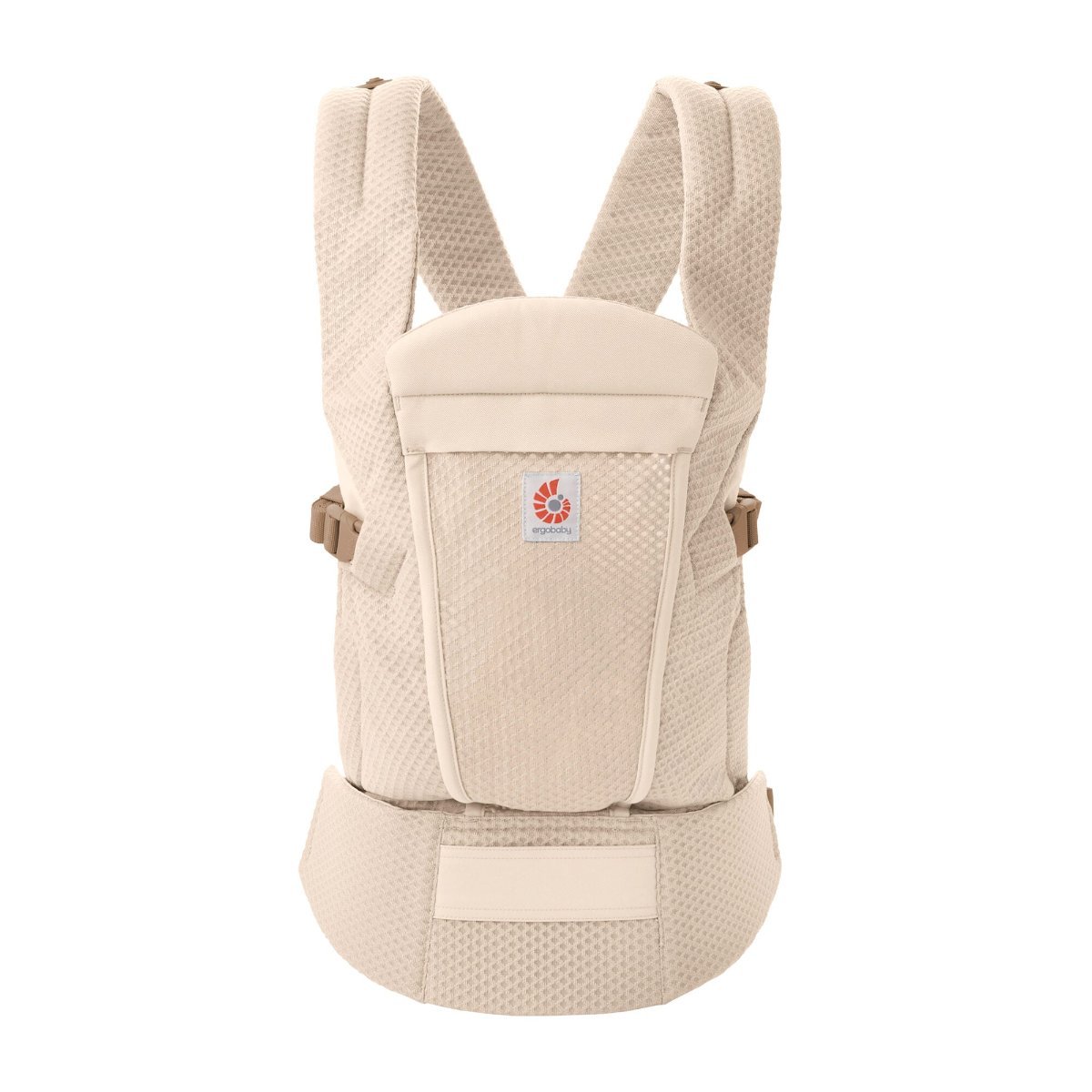
One position, inward facing, and cross-back straps instead of a buckled harness. Ergobaby has taken the Omni platform and removed everything that is not needed for everyday carrying, covering newborn to 24 months.
Most parents use one position almost all the time. Stripping the others out drops the weight and the bulk, and the cross-back straps go on like a backpack rather than needing a buckle reached for behind your neck, which is the step people struggle with alone. Lumbar support carries over from the full-size models rather than being dropped with everything else.
No outward, back or hip carry means it will not suit a curious toddler who wants to see out. As the carrier that lives folded in the pram basket for daily use, the reduced bulk is worth more than positions that rarely get used.
Pros
- Light and low bulk for daily carrying
- Cross-back straps are easy to fit alone
- Newborn ready with no insert
- Retains lumbar support from the full-size carriers
- Folds down small for a pram basket
Cons
- Inward facing position only
- Not suited to a toddler who wants to face out
Key specs: 1 inward carry position, 0 to 24 months, patented adjustable bucket seat, cross-back straps, lumbar support
CHECK CURRENT PRICE5. Ergobaby Upsie Sling Carrier – Best for Quick Lifts
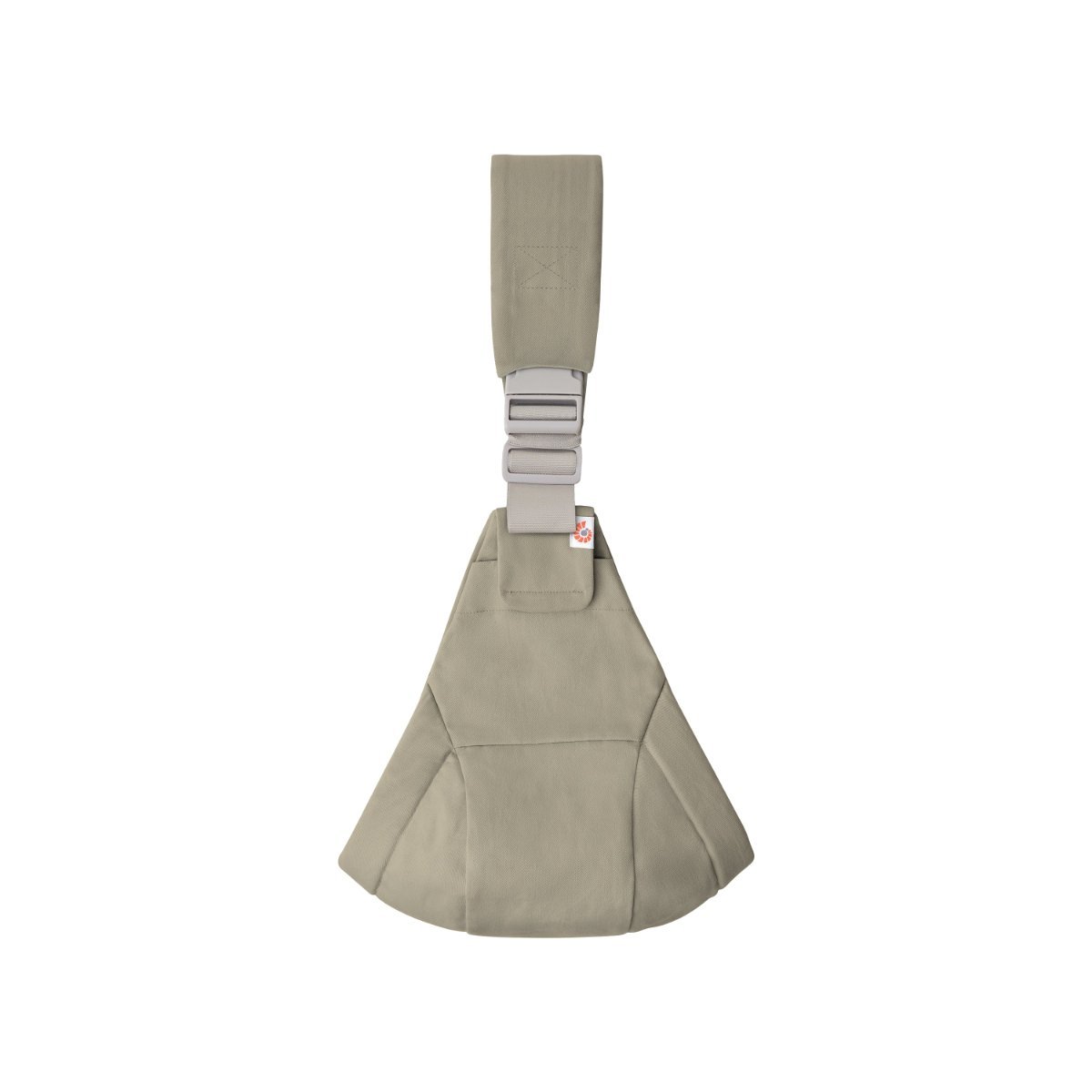
This is a two-position sling rather than a two-shoulder carrier, worn across one shoulder with a wide bucket seat and a front pocket. It suits ages six to 48 months and folds down to something that fits in a jacket pocket.
Toddlers who are walking generate a specific problem: constant short carries with no warning. Unclipping a structured carrier for a thirty-second lift is not realistic, so most parents end up carrying on a hip and wrecking their back. A sling goes on in seconds and takes the weight off the arm, and the safety slider stops the strap loosening under a wriggling child.
One shoulder means the load is asymmetric, so it is not the carrier for a long walk or a heavy sleeping child. For the phase where a toddler alternates between running ahead and demanding to be carried, nothing else here is fast enough.
Pros
- Goes on in seconds for short carries
- Folds small enough for a bag or pocket
- Wide bucket seat gives knee-to-knee thigh support
- Safety slider holds the strap position
- Front pocket for keys or a phone
Cons
- One-shoulder load is asymmetric
- Not suited to long walks or heavy sleeping toddlers
Key specs: Compact 2-position sling carrier, 6 to 48 months, ergonomic wide bucket seat, cushioned strap, safety slider, front pocket
CHECK CURRENT PRICE6. Wipha Baby Backpack Carrier – Best for Hiking
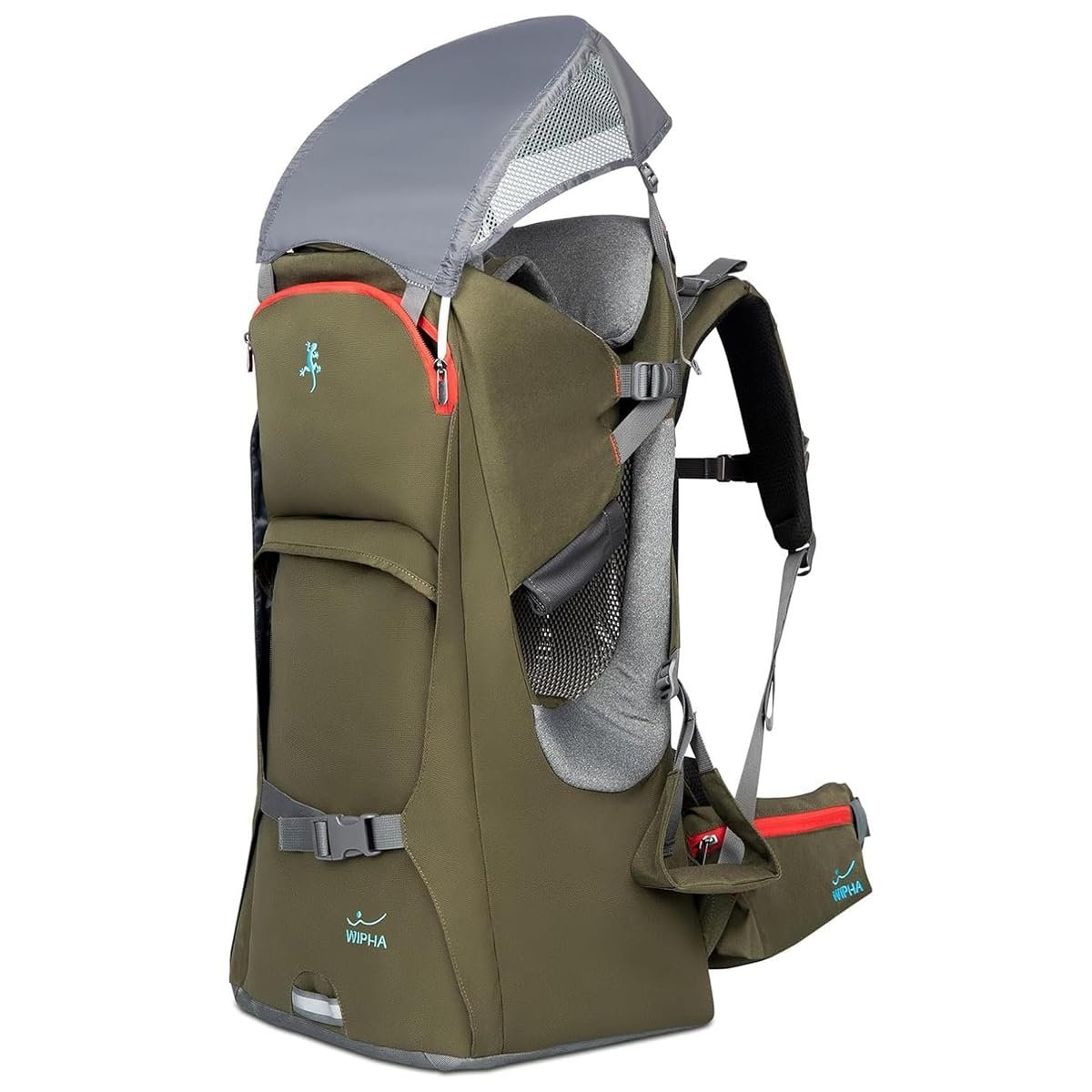
A rigid external frame separates this from every other carrier in this guide, with a sun canopy over the child and a proper hip belt taking the load. It is built for walking distances rather than around a shopping centre.
Soft carriers put a child against your chest or back with nothing between you, which is fine for an hour and unbearable for four. A framed pack holds the child off your spine so air moves between you, transfers weight to the hips the way a hiking pack does, and gives the child a raised seat with a view. The canopy matters more in Australia than almost anywhere, since a child sitting still in a carrier is not generating heat but is still catching full sun.
It is heavy and useless for daily errands, and no Ergobaby model covers this job because soft carriers cannot. Families who walk trails will find it the only workable option; families who do not should skip it entirely.
Pros
- Rigid frame holds the child off your back
- Sun canopy included
- Hip belt transfers weight like a hiking pack
- Raised seat gives the child a view
- Built for distance rather than short carries
Cons
- Heavy and bulky for everyday use
- No use for quick lifts or errands
Key specs: Framed baby backpack carrier, sun canopy, adjustable hip belt and harness, designed for hiking and bush walking
CHECK ON AMAZONHow to Choose a Baby Carrier
Check the hip position before anything else. The carrier should support the thigh from knee to knee so the legs form an M shape with the knees higher than the bottom. A narrow-based carrier that leaves the legs dangling from the crotch concentrates load on the hip joint, which paediatric guidance advises against during the months the joint is still forming.
Match the age range to how long you intend to carry. Newborn-only carriers are outgrown around twelve months, toddler carriers do not start until four months or later, and all-rounders cover the whole span. Buying narrow is cheaper now and usually means buying again within the year, so work out the real cost across the full period.
Work out where the weight goes. A padded waistband transfers load to the hips; a carrier without one hangs the child from your shoulders and neck. That difference is barely noticeable at four kilos and decides everything at twelve. Hip seats go further by putting a rigid shelf on the pelvis, which is why they extend how long parents keep carrying.
Think about heat, because Australia is the problem here. A carrier holds a child against your chest with fabric between you, and both of you generate heat. Mesh panels move air where a cotton canvas one does not, and a child in a carrier is sitting still in full sun rather than running about, so a hood or canopy is worth having on anything used outdoors.
Be honest about how often you will actually fit it. The most ergonomic carrier is worthless if it takes two minutes and a second adult to put on. If most of your carrying is short lifts around the house and the shops, a sling that goes on in seconds will get used far more than a four-buckle carrier that stays in the cupboard.
Set up the rest of it too. Carrying covers the daytime, and a baby monitor covers the hours when the baby is down. If the framed carrier is going on trails, one of the camping mattresses from our guide is worth pairing with it for overnight trips.
Frequently Asked Questions
What age can a baby go in a carrier?
From birth in a carrier rated newborn-ready, provided the baby has adequate head and neck support and the airway stays clear. Carriers that need a separate infant insert should not be used without it. Framed backpack carriers require independent sitting and head control, usually around six months.
Are baby carriers safe for hips?
They are when the carrier supports the thigh from knee to knee so the legs sit in an M-position with knees above the bottom. Narrow-based carriers that leave the legs hanging concentrate load on the developing hip joint. Every carrier in this guide uses a wide or adjustable bucket seat for this reason.
How long can a baby stay in a carrier?
Newborns should come out every hour or two so their position changes and the airway is checked. Older babies with good head control can stay in longer if they are comfortable and the weather allows. Watch for overheating, since a carried baby cannot move away from your body heat.
What is the difference between a baby carrier and a sling?
A carrier uses two shoulder straps and usually a waistband, spreading weight evenly for longer periods. A sling is worn over one shoulder, goes on far faster and packs smaller, but loads one side of the body. Slings suit short frequent lifts; carriers suit sustained wearing.
Can you carry a baby on your back?
Yes, in a carrier rated for back carrying, and generally from around six months once the baby has reliable head and trunk control. Check the specific age and weight range for the model. Framed backpack carriers are designed for back carrying from the point a child can sit unaided.
Do I need a mesh baby carrier in Australia?
In most of the country a mesh panel is worth it. A carrier holds the baby against your body with both of you generating heat, and mesh moves air where woven cotton traps it. In humid northern climates it makes the difference between a comfortable carry and an overheated baby.
Verdict
Families buying one carrier for the whole of babyhood should take the Omni Classic Mesh, since covering 0 to 48 months in four positions is what stops a second purchase at twelve months. For the newborn stage specifically, the Embrace is easier to fit at three in the morning than anything structured. Once the child is heavy and still wants carrying, the Alta hip seat moves the load onto your pelvis and buys back another year of babywearing.