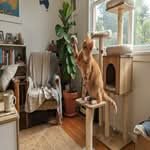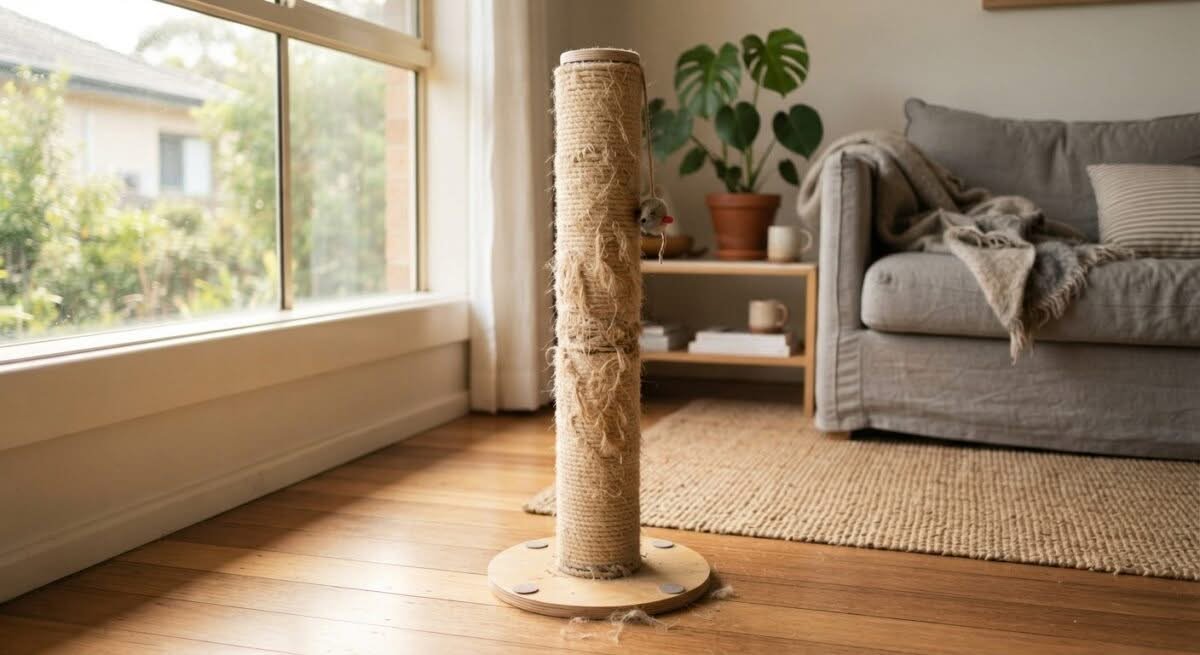
A cat scratcher is any dedicated surface, sisal rope, corrugated cardboard or carpet, built to give a cat somewhere legitimate to drag its claws instead of the couch arm or the hallway carpet. The Australian Veterinary Association classifies declawing as an unacceptable surgical alteration performed for human convenience rather than the cat’s benefit, which leaves a proper scratcher as the only real fix once a cat has picked a piece of furniture as its target.
The 7 best cat scratchers in Australia this year split into a handful of distinct **types**: an upright sisal-wrapped post that mimics a tree trunk, flat cardboard pads a cat works at floor level, a wall- or couch-adhesive protector aimed at saving furniture that’s already being targeted, and toy-scratcher hybrids built for a bored kitten. Vertical posts suit a cat that stretches up to scratch (most cats do); flat pads suit a cat that prefers to drop and drag.
Height and material are the two specs that actually separate a good scratcher from a wobbly one. A cat needs to extend its full body length to get a proper stretch, so a post under about 70cm gets abandoned fast by anything bigger than a kitten, while a flat pad’s base has to be heavy or rigid enough that it doesn’t skid across the floor on the first real pull. The scratchers in this guide run from a bargain cardboard novelty to a solid sisal-wrapped post at the top of the price range, with material and construction doing most of the real work in between.
This guide compares seven cat scratchers available to Australian buyers, an upright sisal post, cardboard pads, an adhesive furniture protector and a corner-shaped board, chosen for different budgets and scratching styles instead of seven variations on the same design.
Quick Picks
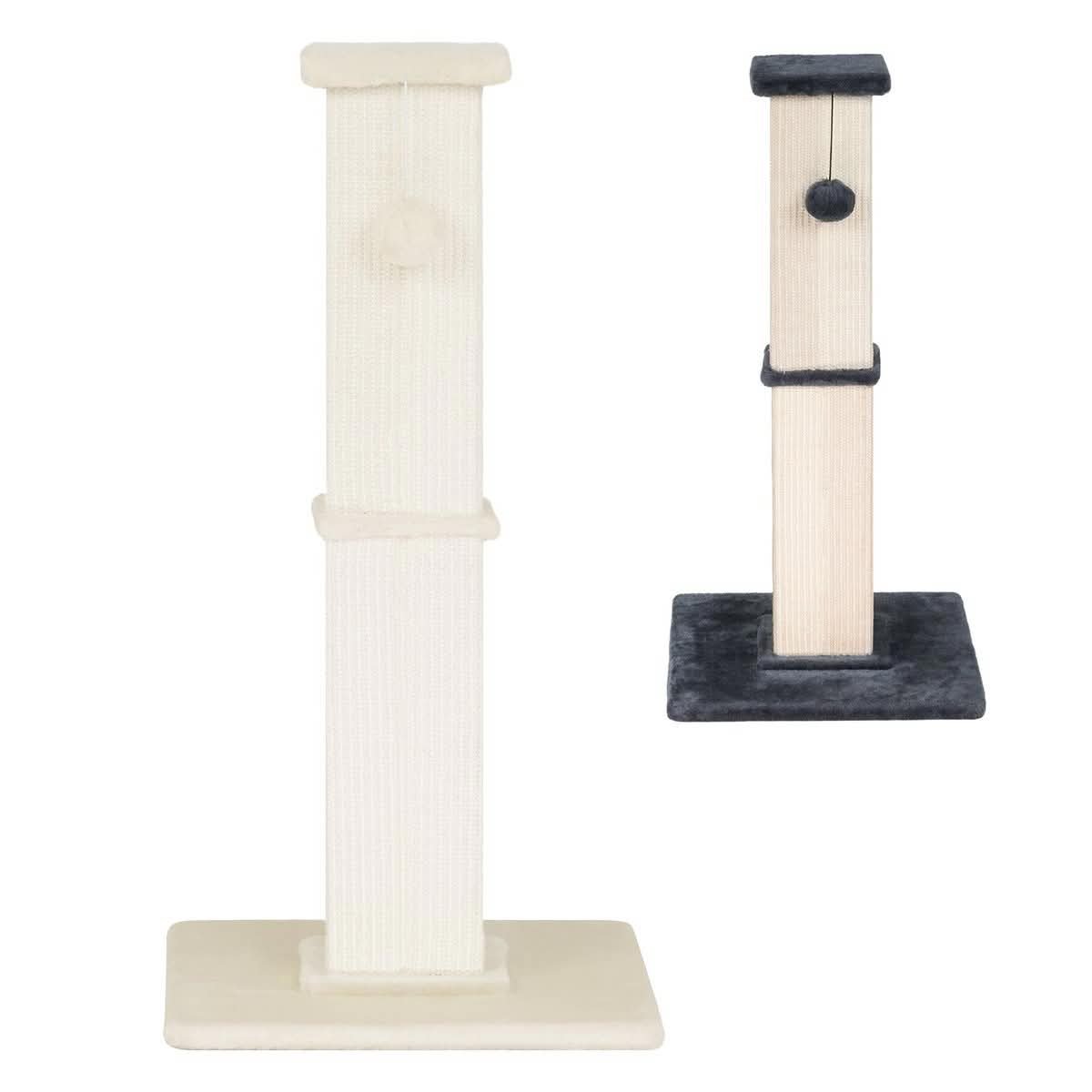
84cm Cat Scratcher Post
A straightforward 84cm sisal-wrapped post with a hanging toy ball at the top and a weighted base, no gimmicks. It’s the pick for a household
CHECK CURRENT PRICE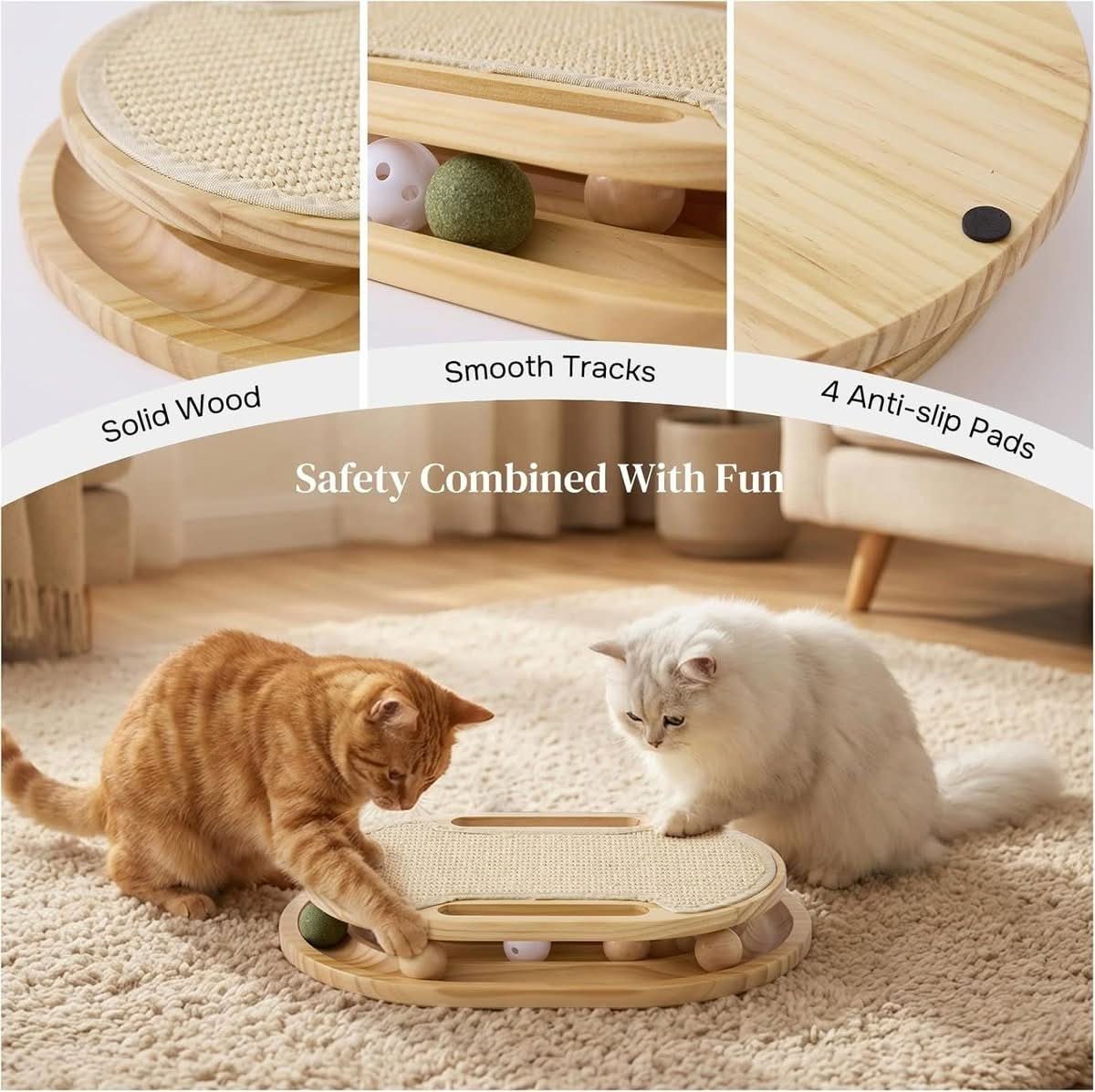
Ball Track Scratcher with Sisal Pad
A wooden ring track with a ball that spins around the outside, built around a flat sisal scratch pad in the middle. It’s aimed squarely at a
CHECK CURRENT PRICE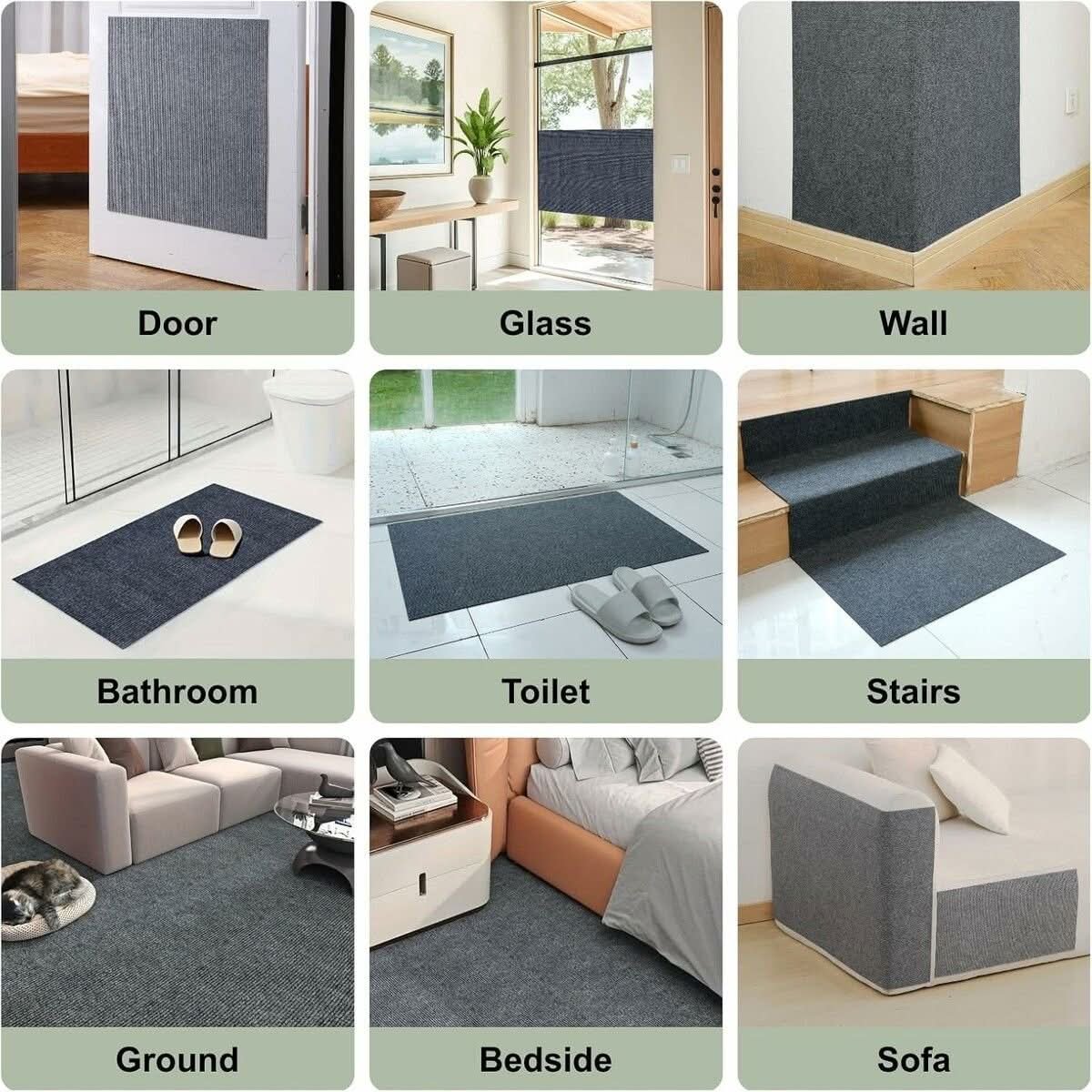
Adhesive Couch Scratch Protector Pad
This isn’t a standalone scratcher at all, it’s a 200cm x 40cm adhesive sisal-style panel that sticks directly onto the couch, armchair or st
CHECK CURRENT PRICEBest Cat Scratchers Australia Compared
| Product | Link | Type | Best For | Key Spec |
|---|---|---|---|---|
| 84cm Cat Scratcher Post | Check price | Fixed Upright Post | Average-sized adult cats | 84cm fixed height, sisal-wrapped post, weighted base, hanging toy ball |
| Ball Track Scratcher with Sisal Pad | Check price | Toy + Scratch Pad | Bored kittens home alone | Wood construction, spinning ball track, sisal scratch pad, roughly 30cm diameter |
| Record Player Design Cardboard Scratcher | Check price | Novelty Cardboard Pad | A fun, disposable second scratcher | Recycled corrugated cardboard, circular disc shape, plush tonearm toy |
| Cardboard Scratcher with Collapsible Scratch Ring | Check price | Floor Lounge Pad | Cats that scratch lying down | Collapsible cardboard ring, rolling ball rim, roughly 40cm diameter |
| Adhesive Couch Scratch Protector Pad | Check price | Adhesive Furniture Protector | Renters and already-damaged furniture | 200cm x 40cm, self-adhesive backing, sisal-style scratch texture |
| Portable Laptop-Style Scratch Pad | Check price | Floor Scratch Pad | Floor-level scratchers wanting a tidy, storable option | Rigid flat scratch board, laptop-style shape, non-shed surface |
| L-Shaped Corner Scratch Pad | Check price | Corner Scratch Pad | Cats that target a specific room corner | L-shaped corner design, corrugated scratch surface, roughly 68cm along the longest edge |
How We Picked
We looked across a wide spread of pet retailers, general marketplaces and dedicated cat-furniture catalogues, searching specifically for scratchers instead of full cat trees, and checked each one for current Australian stock, a real, live in-stock listing (not a discontinued or overseas-only line) and a distinct design instead of the same product relisted under a different name. Two listings that turned out, on closer inspection, to actually be multi-level cat trees mislabelled as ‘scratching posts’ were dropped instead of mixed in with real standalone scratchers.
Where a listing had enough of a track record, we cross-referenced it against ProductReview.com.au’s own cat-furniture listings and verified-buyer feedback to see whether real owners backed up the durability claims in the product description, not just the marketing copy. We spent the most hands-on research time on the upright sisal post, and it’s the one we’d point a friend to first if their cat is a serious, repeat-offender scratcher.
1. 84cm Cat Scratcher Post – Best Classic Upright Post
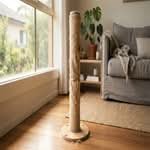
A straightforward 84cm sisal-wrapped post with a hanging toy ball at the top and a weighted base, no gimmicks. It’s the pick for a household that already knows their cat likes a plain upright post and doesn’t want to pay extra for a feature it won’t use.
84cm is tall enough for a full stretch on most adult cats, though a large breed like a Maine Coon or Ragdoll will still top out before reaching full extension. Check your own cat’s stretched-out length against a tape measure before assuming any post in this height range is tall enough.
The base is wide and solid enough to survive a cat throwing its full body weight into a scratch, which matters more than the sisal quality itself: a post that tips once tends to get avoided afterwards.
Pros
- Straightforward, no assembly quirks reported
- Solid sisal wrap that takes daily scratching well
- Hanging toy ball adds play value without extra cost
Cons
- Fixed height won’t suit a large-breed adult cat at full stretch
- No colour options beyond the standard finish
- Sisal wrap will eventually need replacing on a heavy daily scratcher
Key specs: 84cm fixed height, sisal-wrapped post, weighted base, hanging toy ball
CHECK CURRENT PRICE2. Ball Track Scratcher with Sisal Pad – Best for Playful Cats
A wooden ring track with a ball that spins around the outside, built around a flat sisal scratch pad in the middle. It’s aimed squarely at a bored kitten left home alone during a working day, and it does that specific job well.
The scratch pad itself is smaller than a dedicated floor mat, so it works better as a second, play-focused scratcher alongside the upright post above than as a household’s only option. A kitten left with nothing but this and no taller post may still go looking for the couch once it’s grown.
(About the size of a large dinner plate.) Worth knowing before ordering if you’re picturing something bigger from the photos.
Pros
- Actually holds a kitten’s attention solo, unlike a plain flat pad
- Sisal pad is replaceable on its own
- Compact enough for a small apartment
Cons
- Too small to be the only scratcher in a multi-cat household
- Ball track rattles on hard floors, which some owners find annoying at night
- Sisal pad wears through faster than a full upright post given the smaller surface
Key specs: Wood construction, spinning ball track, sisal scratch pad, roughly 30cm diameter
CHECK CURRENT PRICE3. Record Player Design Cardboard Scratcher – Most Novel Design
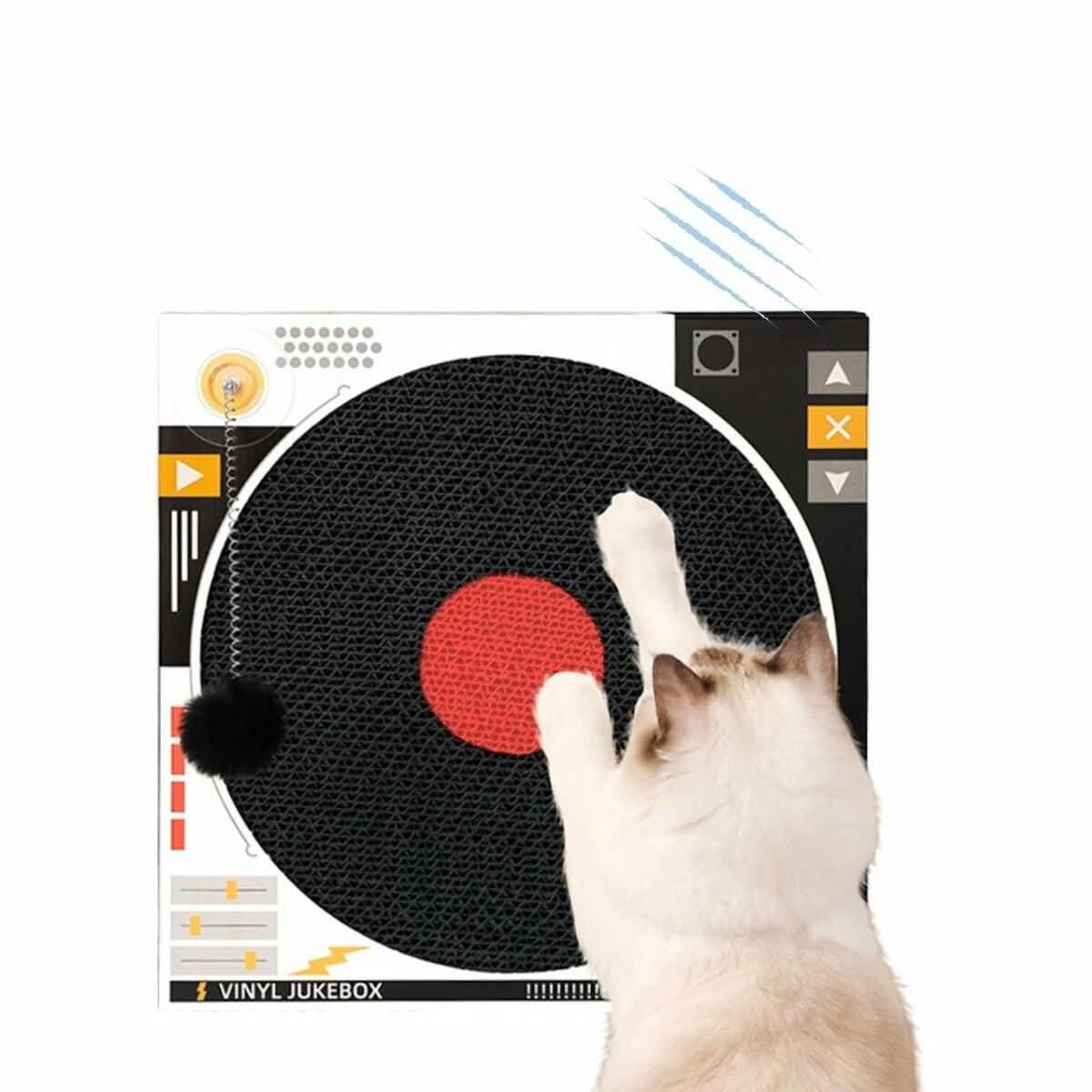
Shaped like a vintage turntable, recycled corrugated cardboard cut into a circular scratch surface with a plush tonearm toy a cat can bat around while it works the disc. It won’t survive a determined scratcher the way sisal does, but it’s one of the more fun-looking pieces in this list rather than a plain grey slab.
Cardboard scratchers in general shed a fair bit of confetti as they wear down. Have a dustpan handy, or put it somewhere that isn’t the good rug, especially in a humid Brisbane or Cairns household where anything cardboard softens faster than it would in a drier climate.
Cheap enough to treat as disposable once it’s chewed through instead of something you’re expected to maintain for years.
Pros
- A distinctly different look from every other pad in this list
- Plush tonearm toy adds play value most cardboard scratchers skip
- Cheap enough to replace without a second thought
Cons
- Cardboard wears out in weeks under daily use, not months
- Sheds cardboard bits as it’s scratched
- Humid climates soften the cardboard faster than a sisal post would ever wear
Key specs: Recycled corrugated cardboard, circular disc shape, plush tonearm toy
CHECK CURRENT PRICE4. Cardboard Scratcher with Collapsible Scratch Ring – Best Budget Combo
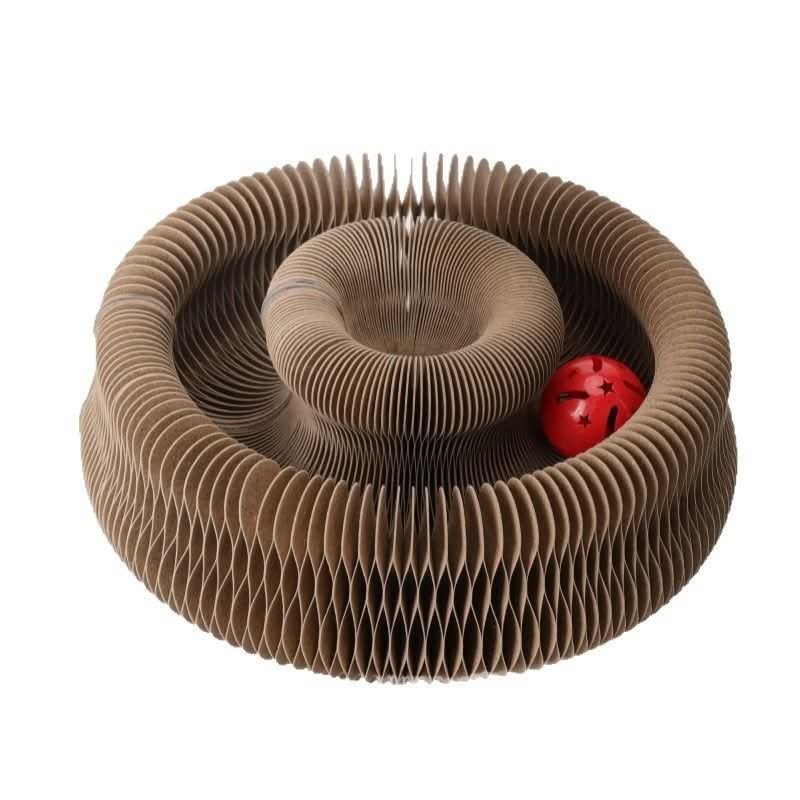
A collapsible cardboard ring that folds flat for storage and pops back into a circular scratch-and-lounge shape, with a rolling ball built into the rim. One of the cheaper picks in this list, and it folds down small enough to keep in a cupboard between uses.
It suits a cat that likes to sprawl and scratch at floor level more than one that stretches upright, so pair it with the upright post above instead of relying on it alone if your cat does both.
Pros
- Folds flat for storage, unusual for a scratcher at this price
- Doubles as a lounging spot once the scratching surface wears in
- Rolling ball rim adds play value
Cons
- Cardboard construction won’t survive a heavy daily scratcher long-term
- Too low a profile for a cat that only scratches standing up
- No replacement panels sold separately if the surface wears out first
Key specs: Collapsible cardboard ring, rolling ball rim, roughly 40cm diameter
CHECK CURRENT PRICE5. Adhesive Couch Scratch Protector Pad – Best for Saving Existing Furniture
This isn’t a standalone scratcher at all, it’s a 200cm x 40cm adhesive sisal-style panel that sticks directly onto the couch, armchair or stair carpet a cat has already claimed as its target. If the fight is already lost and the couch arm has visible damage, this stops it spreading instead of trying to redirect the cat elsewhere first.
A renter with a bond on the line gets a genuinely different use case out of this than every other product in this list: it protects the landlord’s furniture in place instead of replacing it with something new. Just check it peels off cleanly before renewal inspection, since adhesive residue on a rental couch or carpet can become its own bond issue.
It’s a management tool for a cat that’s already scratching a specific spot, not a substitute for giving that cat a proper post somewhere else in the room too.
Pros
- Solves furniture damage in place instead of hoping the cat moves elsewhere
- Long 200cm length covers a full couch arm or stair run
- Properly useful for renters worried about bond deductions
Cons
- Adhesive can leave residue on some fabric finishes if left too long
- Doesn’t stop scratching, just redirects the damage onto itself
- Needs replacing once it’s fully shredded, same as any cardboard or sisal surface
Key specs: 200cm x 40cm, self-adhesive backing, sisal-style scratch texture
CHECK CURRENT PRICE6. Portable Laptop-Style Scratch Pad – Best Floor Mat
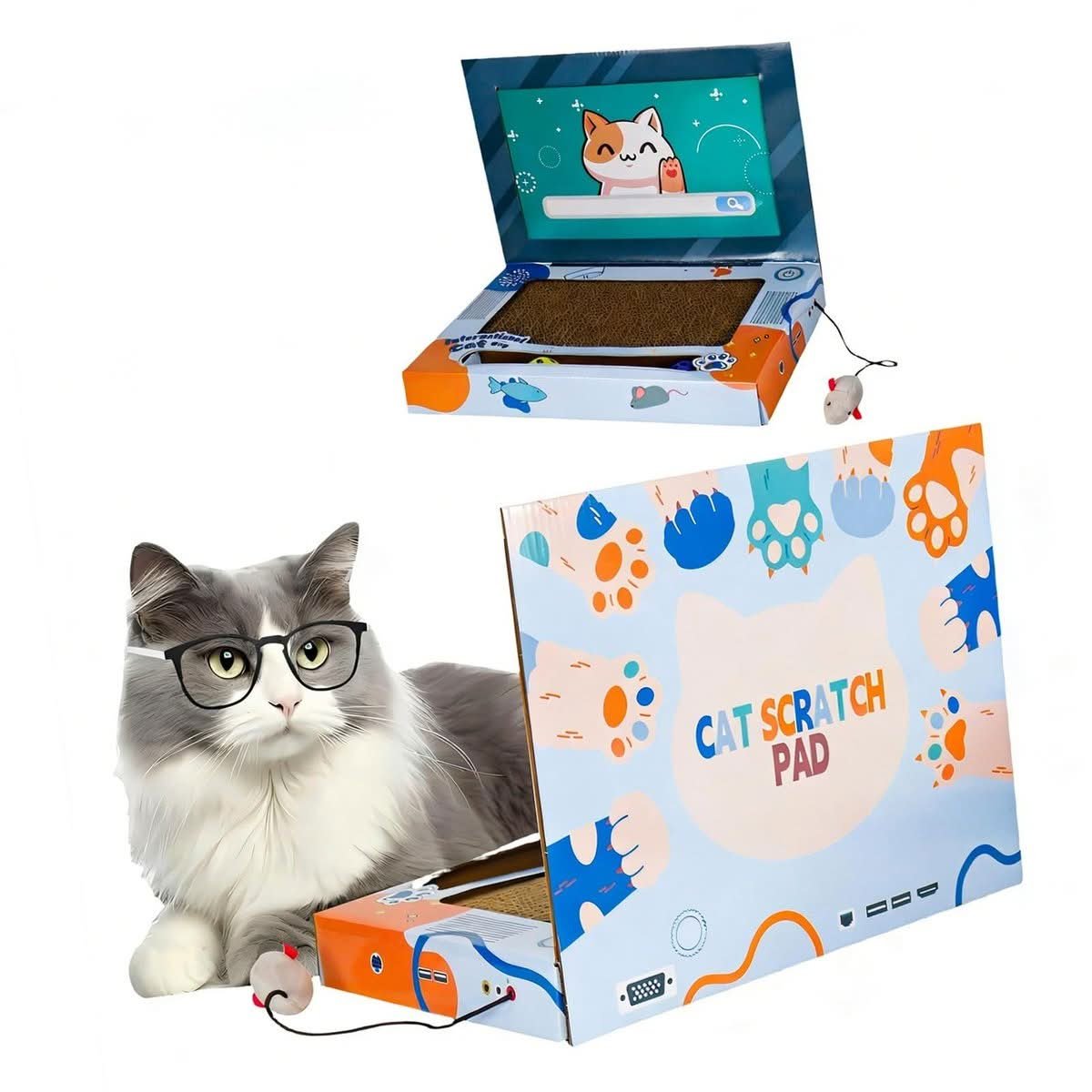
A flat, rigid scratch board shaped like an open laptop, light enough to move between rooms and low-profile enough to slide under a couch or bed when it’s not in use. It’s the pick for a household that wants a proper floor scratcher without a bulky mat taking up permanent space.
Non-shed construction is the real selling point over the cardboard pads above: it holds together under daily claws instead of scattering bits across the floor as it wears in.
Not suited to a cat that only scratches standing upright; it does the job for one that drops and drags at floor level instead.
Pros
- Non-shed surface holds up better than cardboard day to day
- Light and flat enough to store out of sight between uses
- Doubles as a low rest platform once a cat settles on it
Cons
- Too low a profile for a cat that only scratches standing up
- Surface texture is firmer than sisal, which some cats take longer to accept
- No wall-mount option if you’d rather it sit upright
Key specs: Rigid flat scratch board, laptop-style shape, non-shed surface
CHECK CURRENT PRICE7. L-Shaped Corner Scratch Pad – Best Reviewed
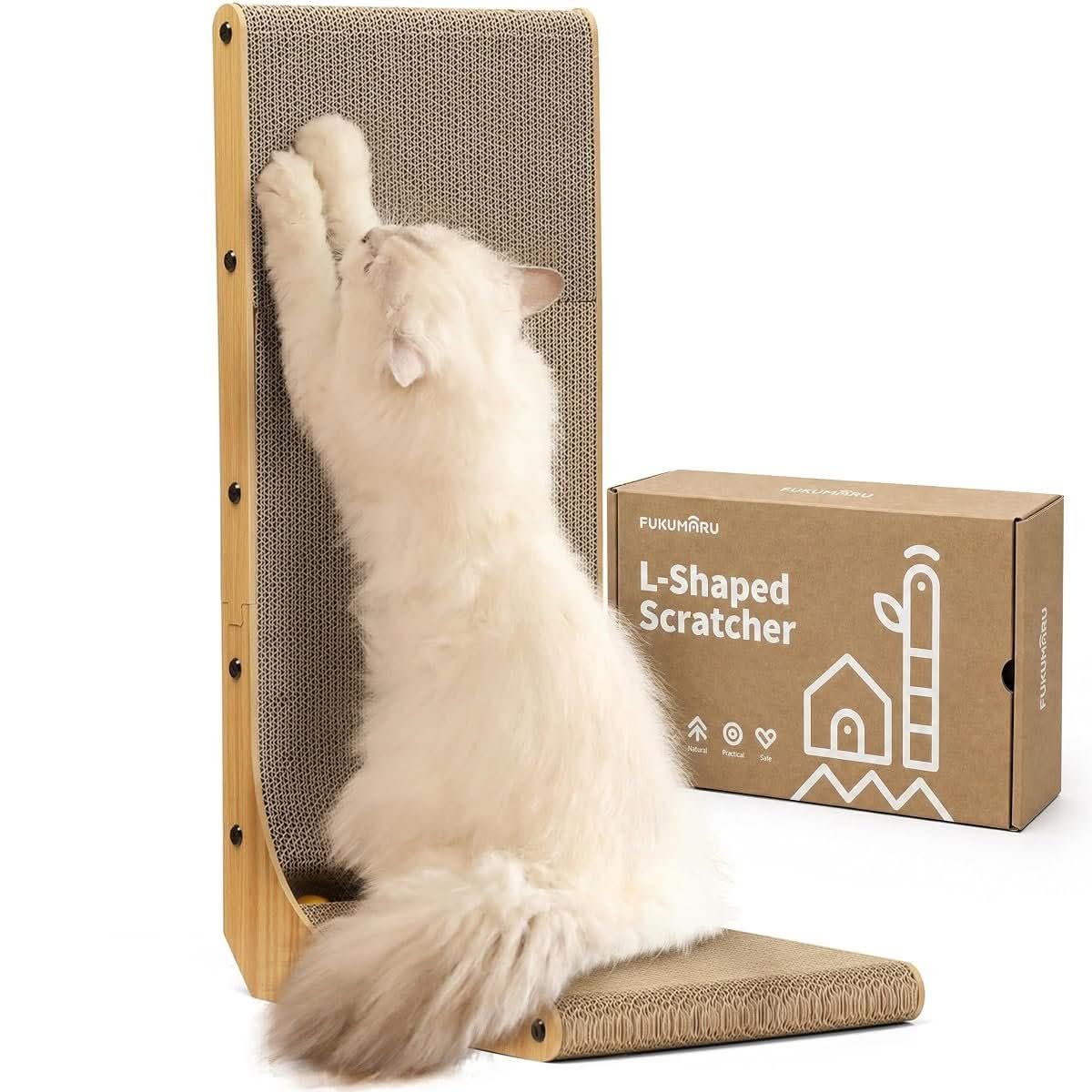
The only pick in this list backed by a genuinely large body of real owner reviews, over 18,000 ratings averaging 4.5 stars on the open marketplace at the time of writing, more real-world feedback than every other scratcher here combined. That review depth is worth something on its own when you’re guessing at durability from a product photo.
The L-shape is the real point of difference: it sits in a corner and gives a cat a full-length diagonal scratch run instead of a flat pad, closer to how a cat scratches a doorframe corner in the wild. A cat that already targets a specific room corner is the best fit for this exact shape.
Recurring complaints in the review pool centre on the corrugated material fraying faster than sisal, which tracks: it’s cardboard-adjacent, not rope or sisal, so expect a similar wear cycle to the cardboard pads above instead of the multi-year life of an upright post.
Pros
- Deepest real-review track record of any pick in this guide
- L-shape targets corner-scratching behaviour specifically
- Lightweight enough to reposition without help
Cons
- Corrugated material wears faster than any sisal post here
- No wall-mount option if the corner it suits isn’t at floor level
- Ships from the open marketplace instead of a same-day local warehouse
Key specs: L-shaped corner design, corrugated scratch surface, roughly 68cm along the longest edge
CHECK CURRENT PRICEHow to Choose Best Cat scratche
Match the shape to how your cat actually scratches, not how you’d like it to.** Watch your cat for a week before buying: a cat that stretches up the doorframe wants a tall upright post, while one that drags its claws across the hallway runner wants a flat mat. Buying the wrong shape is the single most common reason a new scratcher gets ignored in favour of the couch.
Height matters more than most buyers expect. A cat needs to extend its full body length for a proper stretch, so measure your own cat nose-to-tail-base before assuming any post over about 70cm is automatically tall enough, especially for a larger breed. A post that’s technically ‘full size’ for an average cat can still be too short for a Maine Coon or Ragdoll.
A wobbly base gets abandoned fast. Cats throw real body weight into a scratch, and a post that tips even once tends to get avoided afterwards. Heavier, wider bases cost more for a reason: check the actual base dimensions in the listing instead of trusting a product photo’s angle.
Sisal lasts years; cardboard lasts weeks. That’s not a flaw in the cardboard options, it’s a trade-off. A cheap cardboard pad is perfectly fine as a second, disposable scratcher or a way to test whether your cat prefers flat or upright, but don’t expect one to be your only scratcher for more than a season.
In a multi-cat household, budget for more than one. RSPCA behavioural guidance on scratching notes that a dominant cat will often claim a single scratcher and block a shyer housemate from using it, so one post per cat (or close to it) heads off both furniture damage and cat-to-cat friction.
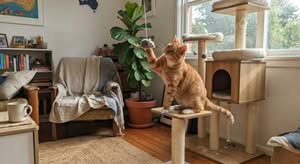
**If the damage is already done, protect the furniture directly instead of hoping the cat relearns the habit overnight.** An adhesive scratch panel stuck onto an already-targeted couch arm or stair runner buys time while a proper post gets introduced nearby, which matters most for renters worried about a bond inspection. For a cat that’s outgrown a small post entirely, our guide to the best cat trees covers the taller climbing and lounging space a single post can’t.
You’ll Also Want
For the couch or chair arm already showing damage, a roll of clear furniture-protector film covers the areas an adhesive scratch pad doesn’t quite reach.
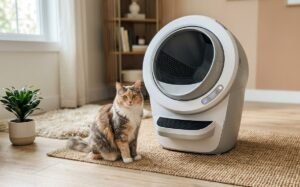
Sorting out scratching is usually only half the household setup: our guide to the best automatic cat litter boxes covers the other daily-maintenance side most new cat owners tackle around the same time.
Frequently Asked Questions
Why won’t my cat use the scratcher I bought?
The most common reason is a shape mismatch: a cat that stretches upright to scratch will usually ignore a flat floor mat, and a cat that drags its claws at floor level will usually ignore a tall post. Watch which surfaces your cat already targets (a doorframe suggests upright, a hallway runner suggests flat) and match the replacement to that instinct instead of what looks nicest in the shop. Placing the new scratcher directly next to the furniture it’s meant to replace, not in a separate room, also improves adoption.
Is declawing a legal option in Australia if scratching becomes a serious problem?
The Australian Veterinary Association classifies declawing as an unacceptable surgical alteration of a companion animal for human convenience, and it is not something Australian vets perform as a routine procedure for furniture damage. A proper scratcher, more frequent nail trims, and redirecting the specific spot a cat targets are the accepted alternatives, and they solve the underlying behaviour instead of removing the cat’s ability to grip and climb at all.
How do I stop my cat scratching a specific piece of furniture?
Place a scratcher of the matching shape (upright or flat) directly against or right next to the furniture being targeted, not across the room, since cats scratch to mark familiar territory instead of to find a specific object. An adhesive scratch-protector panel on the furniture itself, alongside the new scratcher, buys time while the habit shifts. Trimming claws every two to three weeks reduces the damage in the meantime without stopping the natural behaviour.
Do cats prefer sisal or cardboard scratchers?
There’s no single answer, real-world preference varies by cat, but sisal rope generally holds up best under daily use and gives the most resistance for a satisfying deep scratch, which is why most tall upright posts use it. Cardboard is cheaper and often popular with kittens but wears out within weeks under regular use rather than lasting years like a sisal-wrapped post.
How tall should a cat scratching post be?
A post needs to let a cat extend its full body length, nose to hind paws, for a proper stretch, which in practice means at least 70-80cm for an average adult cat and closer to 90cm or more for a larger breed like a Maine Coon or Ragdoll. Measure your own cat stretched out before assuming a ‘standard’ post height will suit it, since the size difference between cat breeds is bigger than most buyers expect.
Do I need more than one scratcher in a multi-cat household?
Yes, in most cases. RSPCA behavioural guidance notes that cats can ‘take ownership’ of a single scratcher and prevent other cats in the household from using it, which pushes the excluded cat back toward furniture. Providing at least one scratcher per cat, ideally in different rooms or corners instead of side by side, heads off both the furniture damage and the territorial friction between cats.
Verdict
For most Australian households, the upright sisal post earns the top spot on the strength of its weighted base and its straightforward, no-fuss design, while a bored kitten left home alone gets more out of the ball-track toy-scratcher combo. Renters worried about existing furniture damage, or about a bond inspection, are better served starting with the adhesive couch protector and the laptop-style floor pad instead of committing to a tall post straight away.