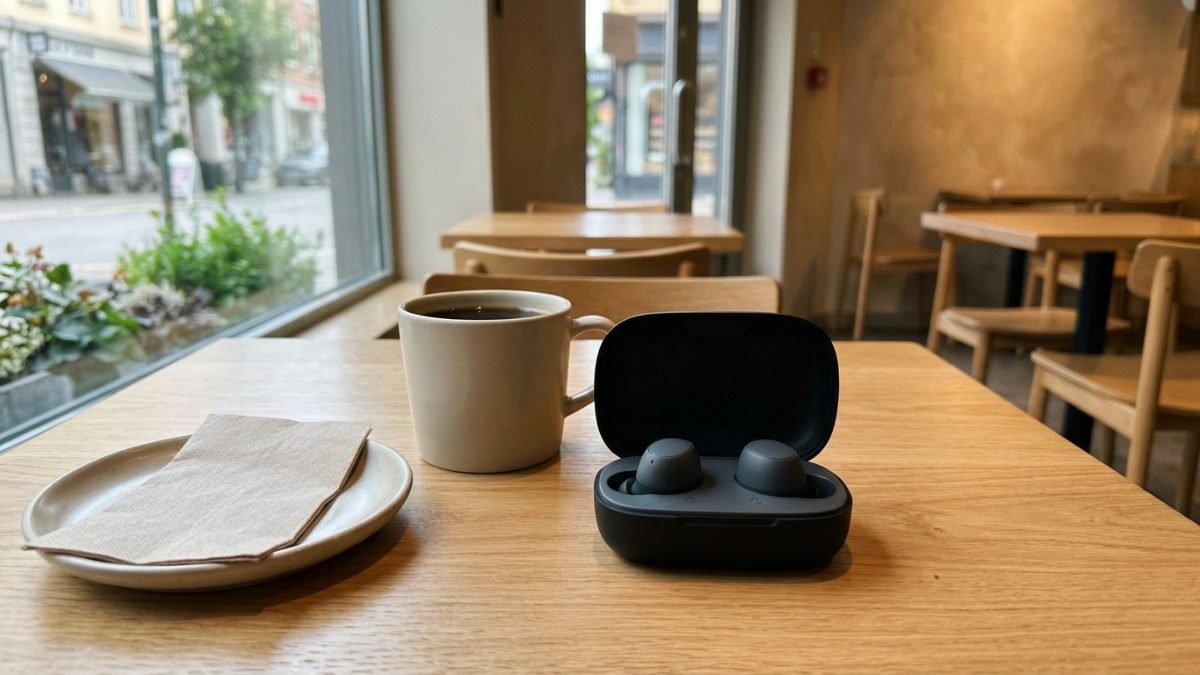
True wireless earbuds put a battery, an amplifier and a Bluetooth radio inside each bud, with no cable joining the pair and none running to the phone. The best wireless earbuds in Australia are decided by four things that rarely arrive together: how much noise the microphones remove, how the buds sit after two hours rather than two minutes, how long they last between charges, and whether a call survives wind.
Four designs cover the category. Sealed in-ear buds press a silicone tip into the ear canal, which is what makes deep noise cancelling possible at all. Open-fit buds rest in the outer ear without sealing it, trading isolation for awareness. Open-ear hook designs sit outside the ear entirely and leave natural hearing intact. Work-focused buds add extra beamforming microphones and a dedicated adapter for conferencing.
Eight hours of playback from the buds with cancellation running, and roughly 24 to 30 hours including the case, is the benchmark a flagship set is expected to hit. Codec support decides the ceiling on sound quality, so LDAC or aptX Lossless matters on Android while Apple devices stay on AAC regardless of what the buds advertise.
This guide compares ten pairs sold in Australia, running from a flagship with built-in heart rate sensing to an open-ear set quoting 50 hours of total playback, and records battery life, cancellation type and fit for each. Nearly all of them pair over Bluetooth 5.3 or later, and the compact handsets covered in our guide to flip phones in Australia handle the same multipoint connections.
Quick Picks
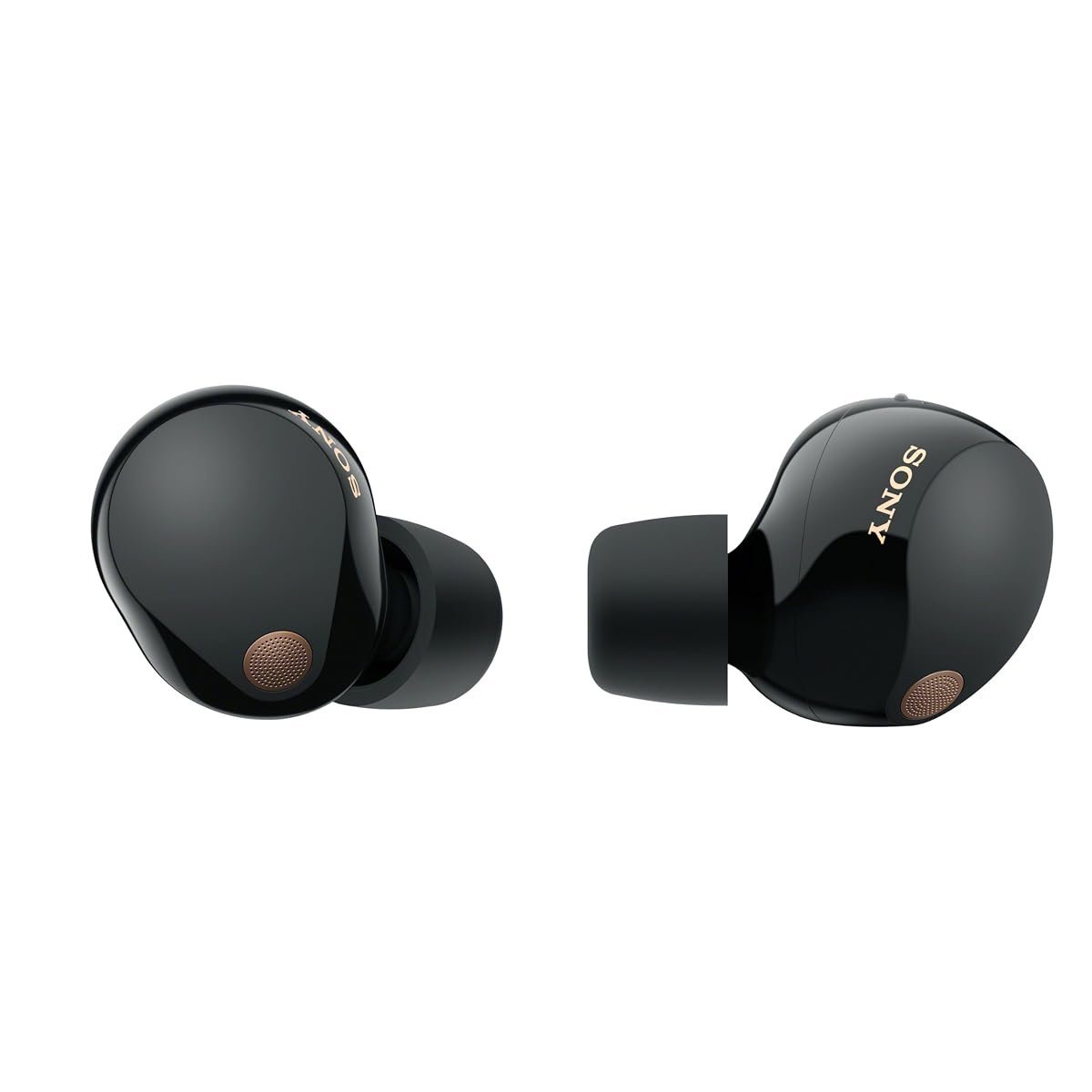
Sony WF-1000XM5 Noise Cancelling Wireless Earbuds
The deepest cancellation here, with 8 hours per charge and 24 hours including the case.
CHECK ON AMAZON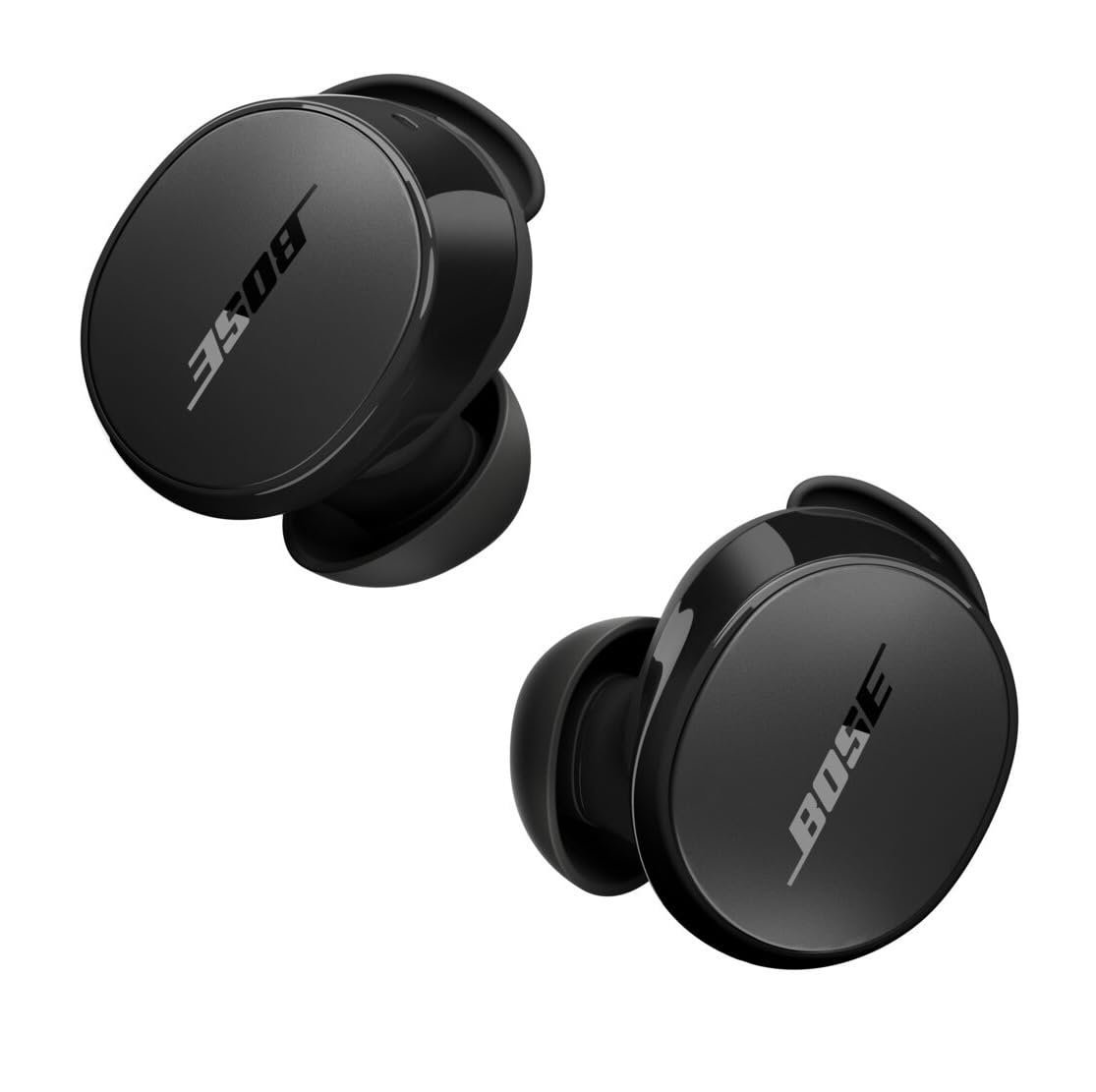
Bose QuietComfort Wireless Noise Cancelling Earbuds
Three eartip and stability band sizes, IPX4 rated, 8.5 hours of listening per charge.
CHECK ON AMAZON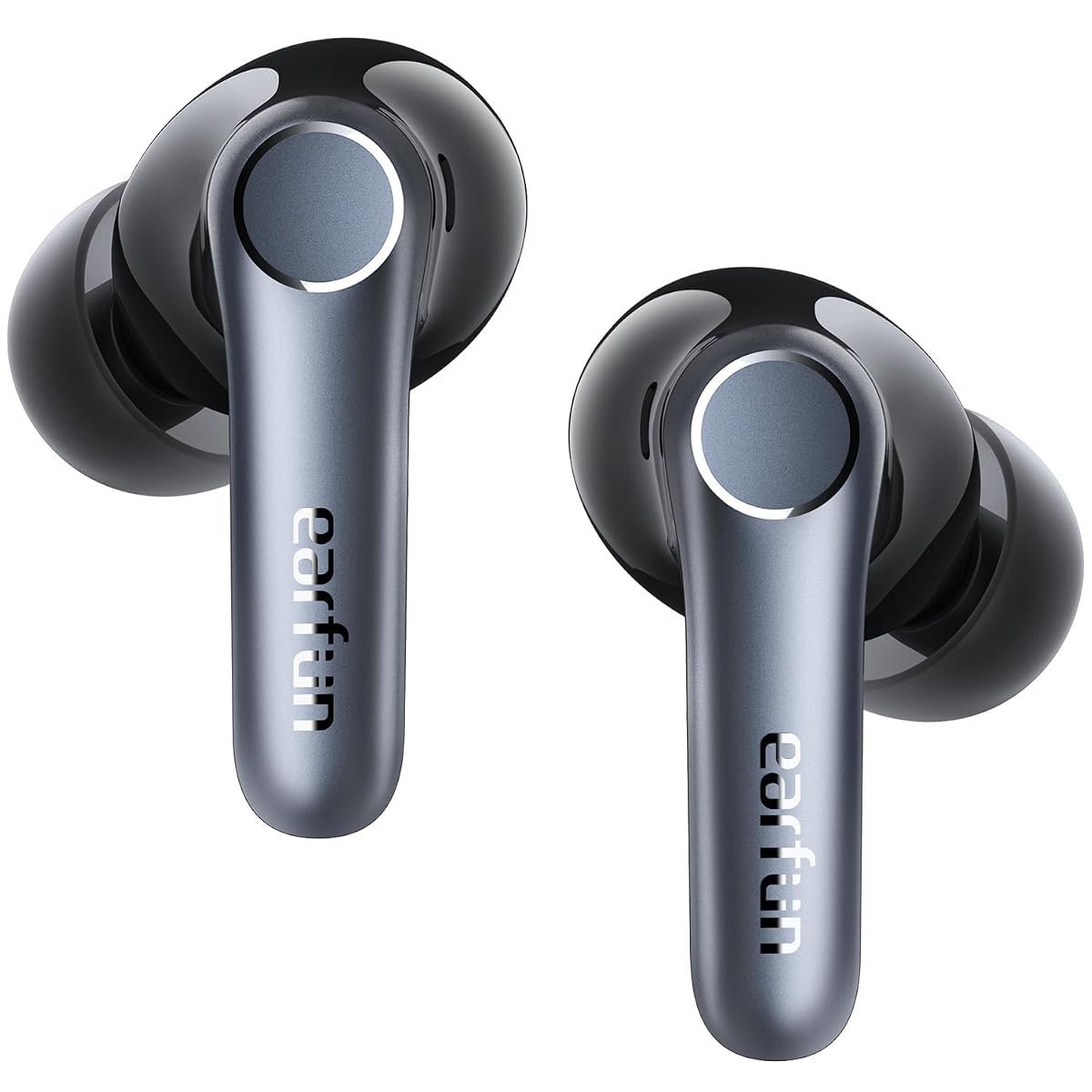
EarFun Air Pro 4 Noise Cancelling Wireless Earbuds
Up to 50dB of adaptive cancelling, aptX Lossless and LDAC, and 52 hours of total playback.
CHECK ON AMAZONWireless Earbuds Compared
| Product | Link | Type | Best For | Key Spec |
|---|---|---|---|---|
| Sony WF-1000XM5 Noise Cancelling Wireless Earbuds | Check price | Sealed in-ear | Noise cancelling | 8h per charge, 24h with case |
| Bose QuietComfort Wireless Noise Cancelling Earbuds | Check price | Sealed in-ear | Long wear | 8.5h per charge, IPX4 |
| Apple AirPods Pro 3 Wireless Earbuds | Check price | Sealed in-ear | iPhone owners | 8h ANC, heart rate sensing |
| JBL Tour Pro 3 Wireless Earbuds | Check price | Sealed in-ear | Smart case | 44h total, dual driver |
| Sennheiser ACCENTUM True Wireless Earbuds | Check price | Sealed in-ear | Sound quality | 8h per charge, 20h with case |
| EarFun Air Pro 4 Noise Cancelling Wireless Earbuds | Check price | Sealed in-ear | Value | 11h per charge, 52h total |
| SHOKZ OpenFit Pro Open-Ear Earbuds | Check price | Open-ear hook | Awareness | 12h per charge, 50h total |
| Apple AirPods 4 Wireless Earbuds | Check price | Open fit | No ear tips | 5h per charge, 30h total |
| Samsung Galaxy Buds3 Pro Wireless Earbuds | Check price | Sealed in-ear | Galaxy phones | 16 ohm, Hi-Fi sound |
| Jabra Evolve2 Buds Wireless Earbuds | Check price | Sealed in-ear | Work calls | 6mm drivers, 4 beamforming mics |
1. Sony WF-1000XM5 Noise Cancelling Wireless Earbuds – Best for Noise Cancelling
Sony builds these around a wide frequency response and a cancellation system tuned for the low rumble that dominates a train carriage or an aircraft cabin. The buds are smaller and lighter than the generation before them, which is what makes a long wearing session possible. A 48 ohm impedance sits high for an earbud and reflects the driver specification.
Cancellation is where these separate from everything else here. Engine noise, air conditioning and the general hum of an open-plan office drop away rather than merely dimming, and speech reduces enough to work through. Call clarity is the other headline, handled by microphones tuned specifically for wind.
Eight hours per charge and 24 in total is competitive rather than class-leading, and several cheaper sets in this guide run longer. What they do not do is cancel this well. Frequent flyers and daily train commuters are the buyers who get full value.
Pros
- Deepest noise cancellation in this guide
- Smaller and lighter than the previous generation
- Strong call clarity in wind
- Wide frequency response
Cons
- Battery life is beaten by cheaper sets here
- Premium end of this guide
Key specs: 8 hours playback with cancellation, 24 hours with case; sealed in-ear; 48 ohm impedance; wind-optimised call microphones.
CHECK ON AMAZON2. Bose QuietComfort Wireless Noise Cancelling Earbuds – Best for Long Wear
Three sizes of eartip and three sizes of stability band ship in the box, which is a larger fitting kit than anything else here offers. An IPX4 rating covers splashes and sweat. Impedance sits at 32 ohms in a conventional sealed in-ear body.
Fit is the reason to choose these. A seal that holds without pressure is what allows three or four hours of continuous wear, and the stability bands stop the buds working loose during movement in a way tips alone cannot. Cancellation is strong, if a step behind the Sony above.
Eight and a half hours per charge is solid, and a 20-minute top-up returns a useful amount of playback. Anyone who has given up on earbuds because of ear fatigue should start here. Multipoint pairing to two devices at once is included rather than withheld.
Pros
- Three eartip and three stability band sizes
- IPX4 rated against sweat and splashes
- 8.5 hours of playback per charge
- Bluetooth multipoint for two devices
- 20-minute quick charge
Cons
- Cancellation trails the class leader
- Case is bulkier than most
Key specs: 8.5 hours playback; IPX4; 32 ohm impedance; three eartip and three stability band sizes; Bluetooth multipoint.
CHECK ON AMAZON3. Apple AirPods Pro 3 Wireless Earbuds – Best for iPhone Owners
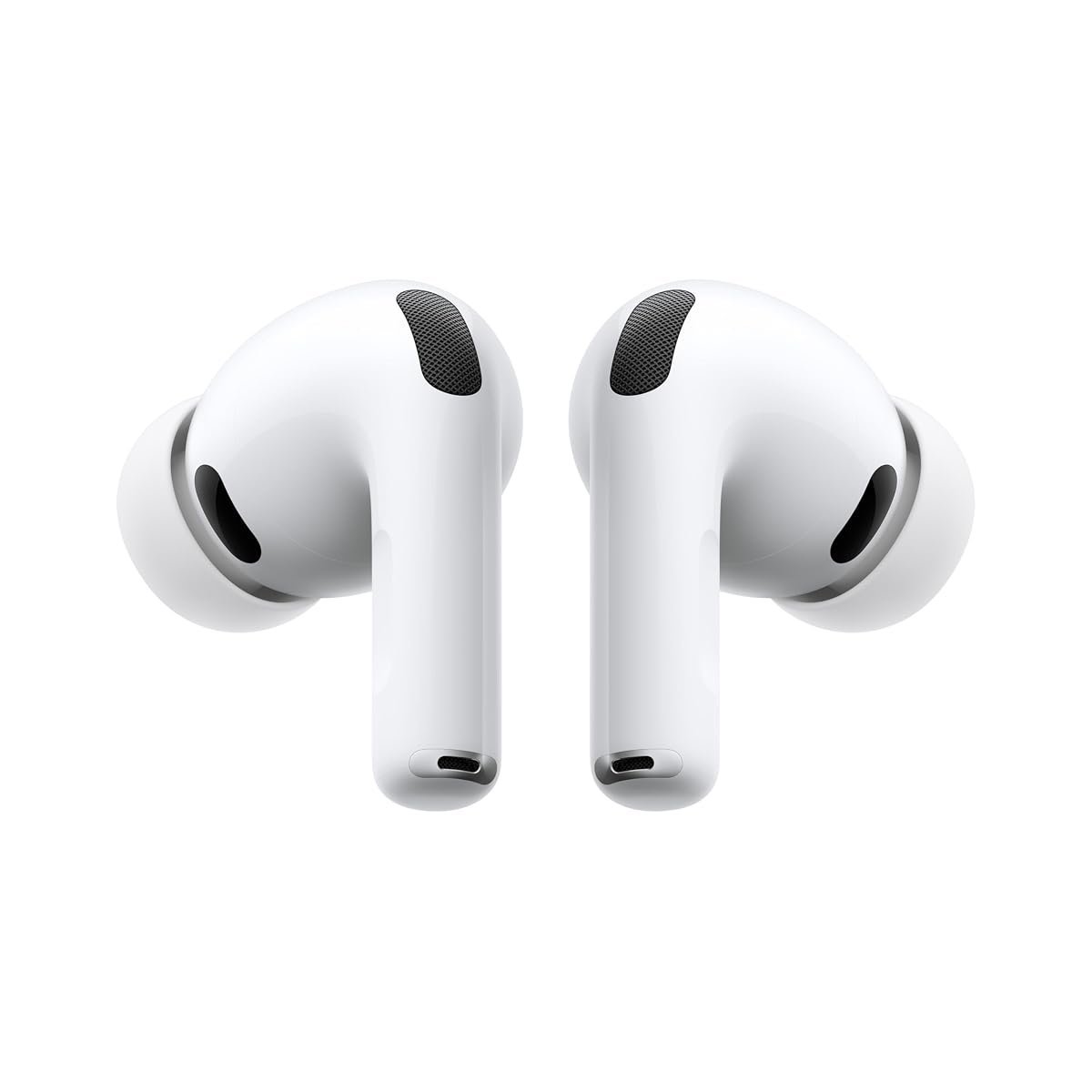
Apple quotes twice the noise removal of the previous Pro generation, delivered through a rebuilt acoustic architecture rather than a firmware change. Heart rate sensing is built into the buds and tracks across roughly 50 workout types. Live Translation runs on-device through Apple Intelligence.
Inside the Apple ecosystem these behave in ways no third-party set can match, switching between phone, tablet and laptop without a pairing menu. Spatial audio with head tracking is convincing on film soundtracks. The heart rate sensor removes the need for a watch on a short run.
None of the ecosystem advantages carry across to an Android phone, where these become an ordinary pair of AAC earbuds. Eight hours with cancellation running matches the Sony. iPhone owners who train are the clearest fit.
Pros
- Around twice the cancellation of the previous Pro generation
- Built-in heart rate sensing across 50 workout types
- Live Translation on device
- Seamless switching across Apple devices
- 8 hours with cancellation, 10 in transparency
Cons
- Ecosystem features do not transfer to Android
- No high-resolution codec support
Key specs: 8 hours with Active Noise Cancellation, 10 hours in Transparency; heart rate sensing; Live Translation; sealed in-ear.
CHECK ON AMAZON4. JBL Tour Pro 3 Wireless Earbuds – Best Charging Case
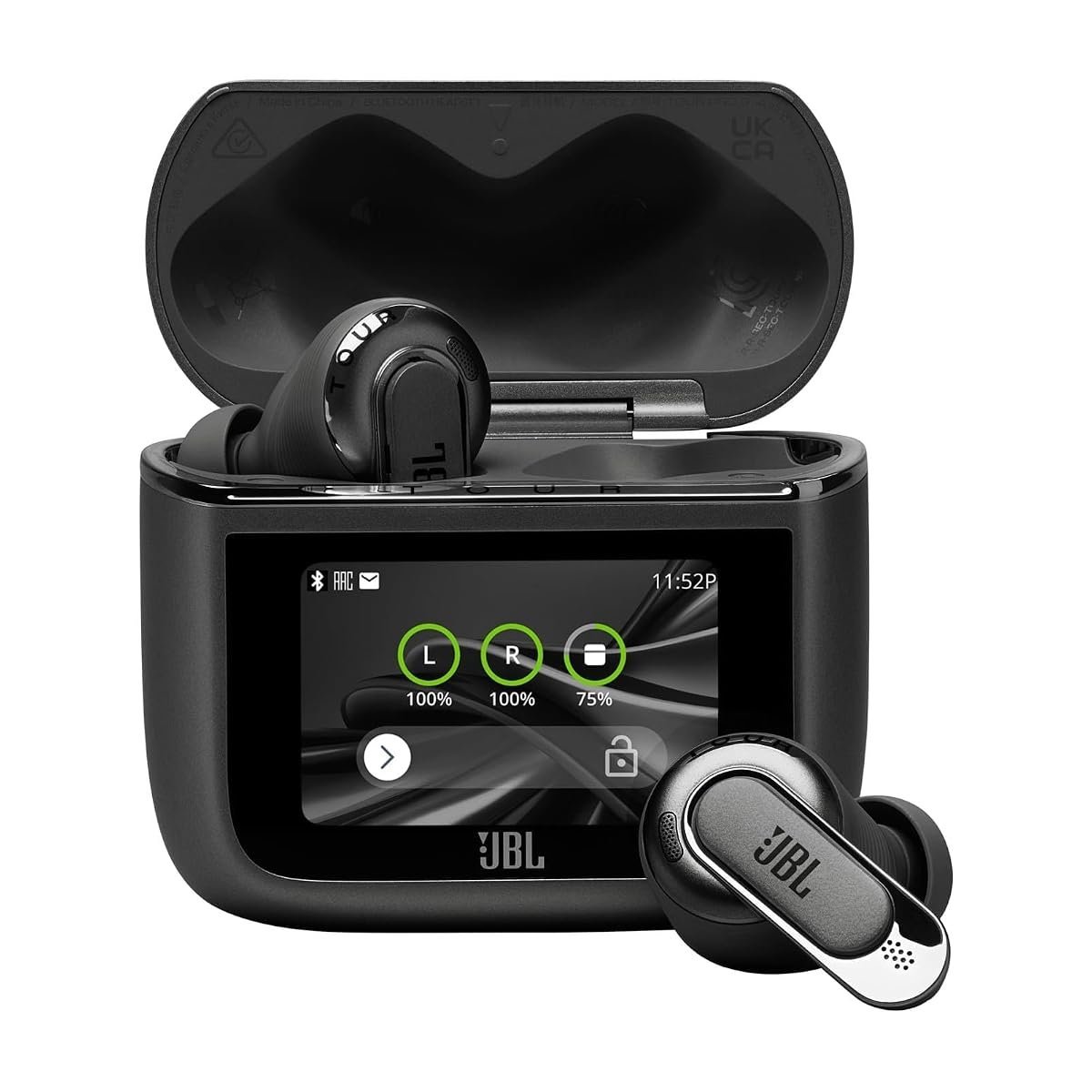
The charging case carries a touchscreen, which sounds like a novelty until it acts as a Bluetooth transmitter for an aircraft entertainment system. Hybrid dual drivers handle the audio. Adaptive cancellation adjusts to the surrounding noise rather than running at a fixed strength.
That case is genuinely useful in the air, taking a 3.5mm output from a seatback screen and sending it to the buds without an extra dongle. Forty-four hours of total playback is among the longest here. Dual drivers give the low end more separation than a single driver manages.
A screen on a case is another thing to charge and another thing to break. Frequent flyers and anyone who works from a laptop with a headphone socket get the most from it. Everyone else is paying for hardware they will rarely use.
Pros
- Smart charging case doubles as a Bluetooth transmitter
- 44 hours of total playback
- Hybrid dual-driver arrangement
- True adaptive noise cancelling
Cons
- Case screen adds cost and another failure point
- Bulkier case than the rest of this guide
Key specs: 44 hours total playback; hybrid dual driver; adaptive noise cancelling; smart charging case with transmitter; 32 ohm impedance.
CHECK ON AMAZON5. Sennheiser ACCENTUM True Wireless Earbuds – Best for Sound Quality
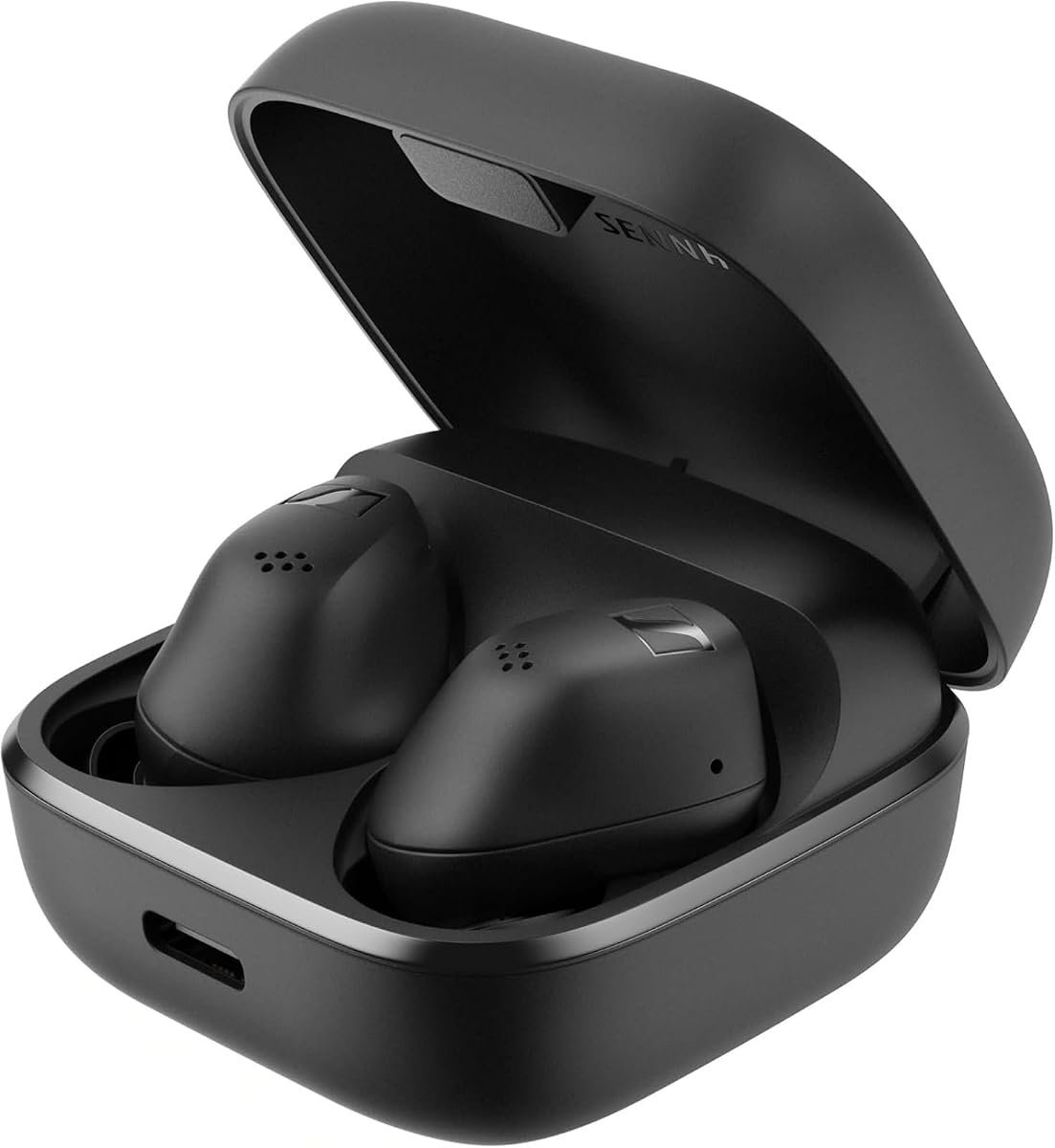
Sennheiser leans on TrueResponse transducer technology here, with tuning adjustable through a companion app rather than fixed at the factory. Silicone tips come from published in-ear ergonomic research. Impedance is the highest in this guide at 40 ohms.
Sound is the reason to buy these ahead of the better-known names. The tuning is more even across the midrange than the bass-forward presets most rivals ship with, and the app allows genuine adjustment rather than three preset curves. Hybrid cancellation is present without being the headline.
Eight hours from the buds and 20 from the case is the shortest total here, and the cancellation is mid-pack. Anyone who listens to acoustic music, podcasts or anything with vocals in the middle of the mix will hear the difference. Bluetooth 5.3 handles the connection.
Pros
- Even midrange tuning rather than a bass-forward preset
- Genuine app-based equalisation
- 40 ohm impedance
- Ergonomically researched silicone tips
- Bluetooth 5.3
Cons
- 20 hours from the case is the lowest total here
- Cancellation is mid-pack
Key specs: 8 hours playback, 20 hours with case; 40 ohm impedance; hybrid active noise cancellation; Bluetooth 5.3; app equalisation.
CHECK ON AMAZON6. EarFun Air Pro 4 Noise Cancelling Wireless Earbuds – Best Value Pick
Fifty decibels of adaptive cancellation is a specification normally reserved for the flagship sets, and it arrives here alongside a Qualcomm QCC3091 chip. Codec support runs to aptX Lossless, LDAC, LE Audio and LC3, which is the broadest list in this guide. Six microphones handle environmental noise on calls.
Codec breadth is what makes this the value pick rather than the cheap pick. An Android phone feeding LDAC or aptX Lossless gets meaningfully more detail than the AAC ceiling the Apple sets are stuck behind, and QuietSmart 3.0 adapts the cancellation to the room. Eleven hours per charge beats every flagship here.
The brand carries none of the recognition the names above it do, and the touch controls are less refined. Fifty-two hours of total playback and lossless codec support say more than a logo does. Android owners in particular should look here before spending several times as much.
Pros
- Up to 50dB adaptive cancellation
- aptX Lossless, LDAC, LE Audio and LC3 support
- 11 hours per charge and 52 hours total
- Six microphones for call noise
- Bluetooth 5.4 with multipoint
Cons
- Touch controls are less refined than the flagships
- Little brand recognition
Key specs: 11 hours playback, 52 hours total; up to 50dB adaptive ANC; Qualcomm QCC3091; aptX Lossless, LDAC, LE Audio, LC3; Bluetooth 5.4; 6 microphones.
CHECK ON AMAZON7. SHOKZ OpenFit Pro Open-Ear Earbuds – Best Open Ear Design
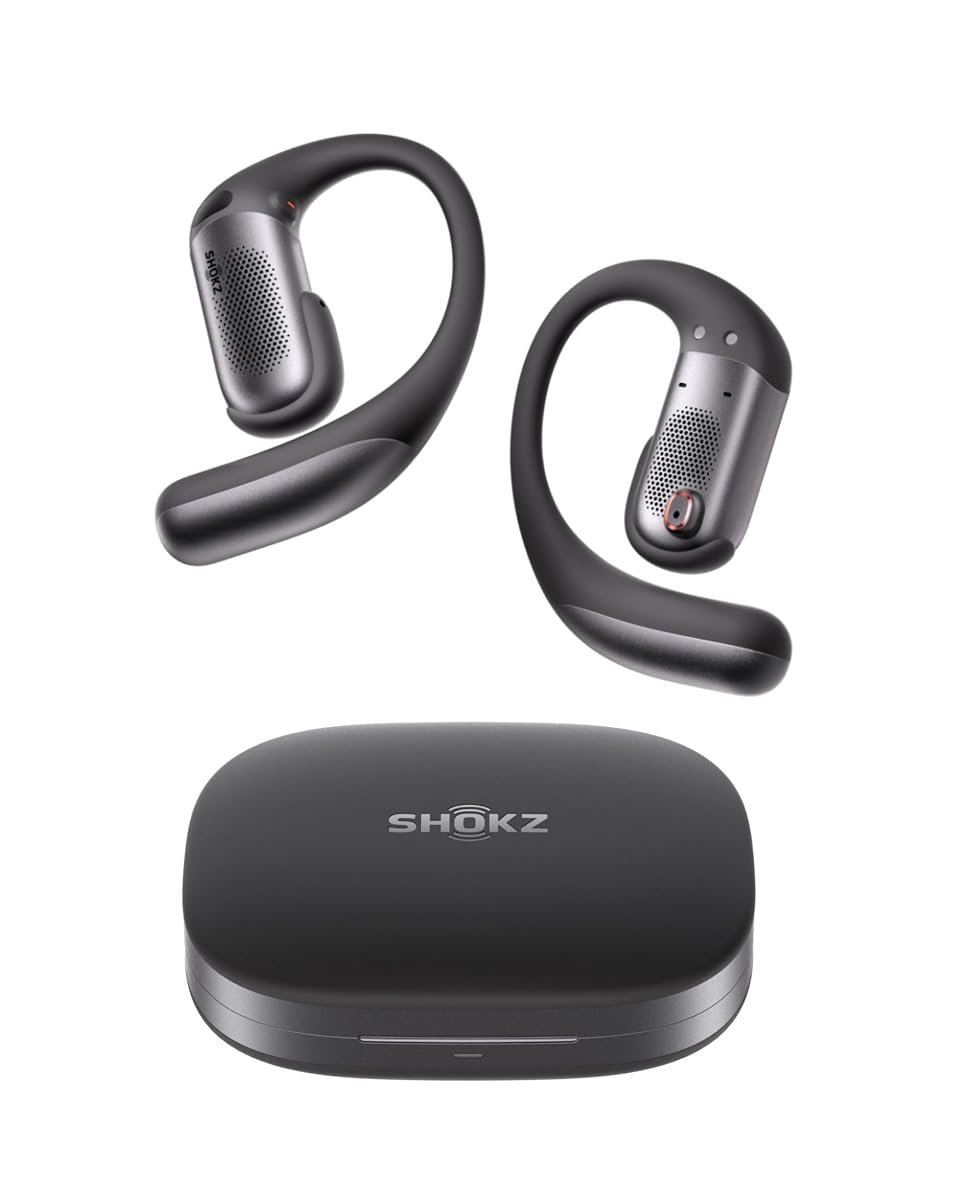
Nothing enters the ear canal on these. Ergonomic hooks shaped from measured ear data hold the driver just outside the ear, leaving hearing completely unobstructed, and the audio is tuned for Dolby Atmos. A triple microphone array with AI noise reduction handles calls.
Leaving the ear open changes what earbuds can be used for. Running beside traffic, cycling and any situation where hearing an approaching car matters are all workable, and so is a full day at a desk where a sealed tip would become uncomfortable. Open-Ear Noise Reduction cuts some ambient sound without sealing.
Physics sets the limit, and no open design cancels noise the way a sealed tip does, so a plane or a train will win. Twelve hours per charge and 50 in total is the longest run here. Runners and cyclists should treat this as the default rather than the compromise.
Pros
- Leaves natural hearing fully intact
- 12 hours per charge, 50 hours total
- Ear hooks stay secure through exercise
- Dolby Atmos tuning
- Triple microphone array with AI noise reduction
Cons
- Cannot match a sealed tip for isolation
- Hooks are visible and bulkier than in-ear buds
Key specs: 12 hours playback, 50 hours total; open-ear hook design; Dolby Atmos tuning; triple microphone array; 15.21 ohm impedance.
CHECK ON AMAZON8. Apple AirPods 4 Wireless Earbuds – Best Without Ear Tips
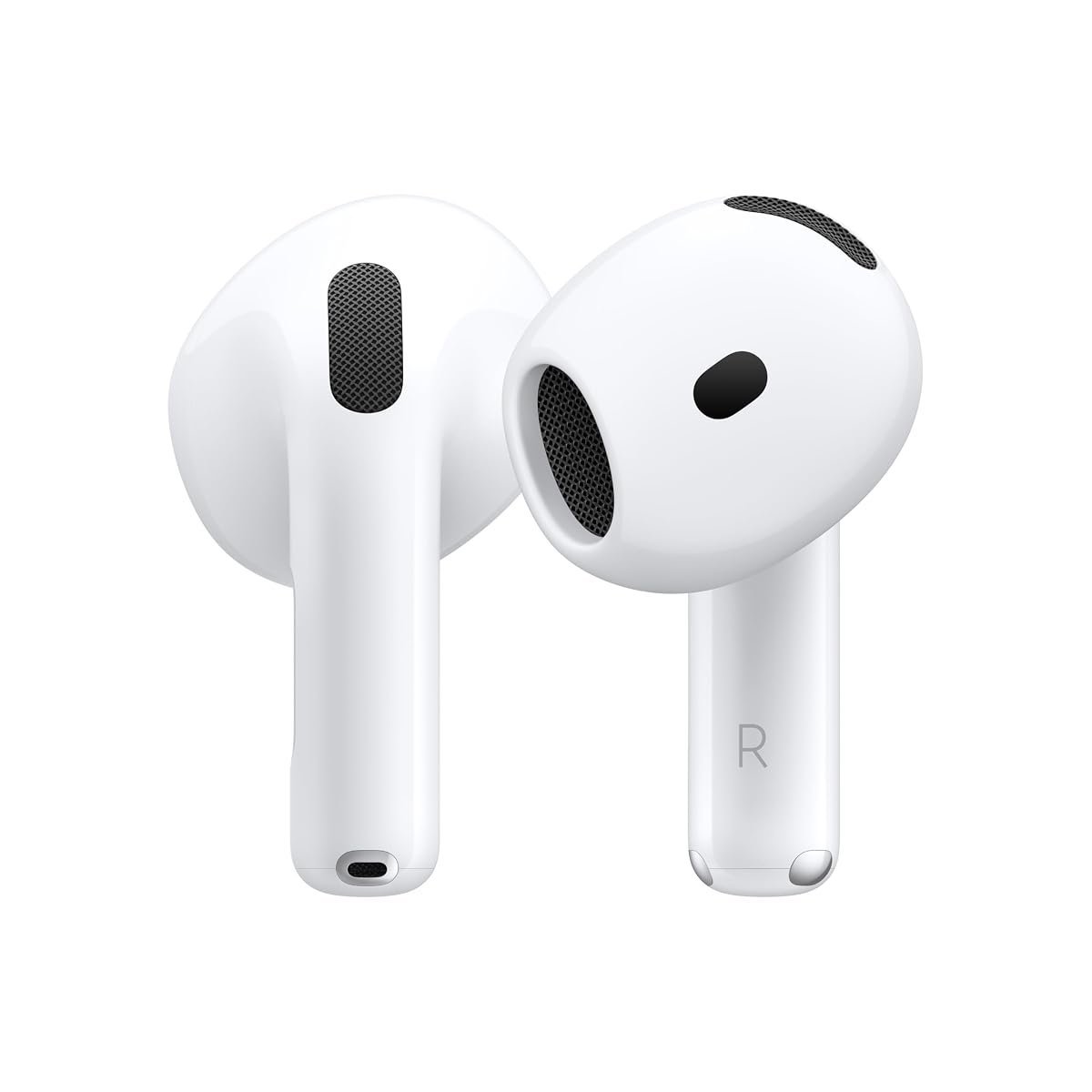
No silicone tip means no seal, and the contoured body rests in the outer ear instead of pushing into the canal. The H2 chip handles processing, with Voice Isolation cleaning up calls. Personalised Spatial Audio with head tracking is included.
For anyone who finds sealed tips uncomfortable or claustrophobic, this open fit is the difference between wearing earbuds and not. Siri Interactions allow a nod or shake to answer a call. Sound is better than the shape suggests, though it depends heavily on the buds sitting correctly.
Five hours per charge is the shortest in this guide and the open fit means road noise comes straight through. Office and home use suit it far better than a commute. The fit is the entire argument, and it either works for a given ear or it does not.
Pros
- Open fit with no ear tip pressure
- H2 chip with Voice Isolation for calls
- Personalised Spatial Audio with head tracking
- Siri Interactions for hands-free replies
Cons
- Five hours per charge is the shortest here
- Open fit lets road and transport noise through
Key specs: 5 hours playback, 30 hours total; open fit with no ear tips; Apple H2 chip; Personalised Spatial Audio; 38 ohm impedance.
CHECK ON AMAZON9. Samsung Galaxy Buds3 Pro Wireless Earbuds – Best for Galaxy Phones
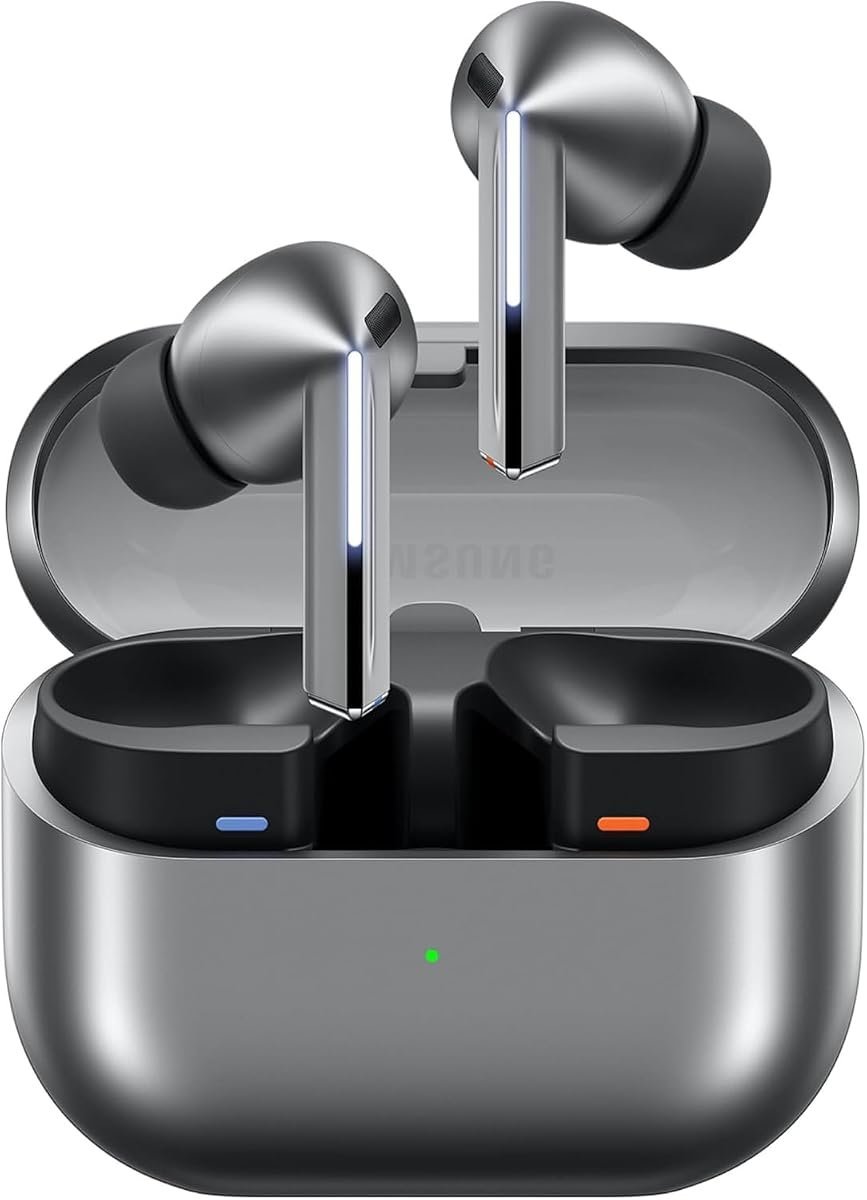
A 16 ohm impedance and a blade-stem body mark the third generation Pro out from the rounded shape Samsung used before. The buds are sealed in-ear with active cancellation. Hi-Fi playback is supported on compatible Galaxy handsets.
Paired with a recent Galaxy phone these behave the way the Apple sets do on an iPhone, switching between devices on the same account and unlocking higher-quality playback that other phones do not receive. The seal is firm and the cancellation is strong. Fit runs slightly small.
Away from a Galaxy phone much of the advantage disappears, and the stock at present is limited, so availability is worth checking before settling on them. Samsung phone owners get the tightest integration on this list. Everyone else has better options above.
Pros
- Deep integration with recent Galaxy phones
- Hi-Fi playback on compatible handsets
- Strong seal and effective cancellation
- 16 ohm impedance
Cons
- Advantages are largely lost on non-Samsung phones
- Limited stock at present
Key specs: Sealed in-ear; 16 ohm impedance; active noise cancelling; Hi-Fi sound on compatible Galaxy devices.
CHECK ON AMAZON10. Jabra Evolve2 Buds Wireless Earbuds – Best for Work Calls
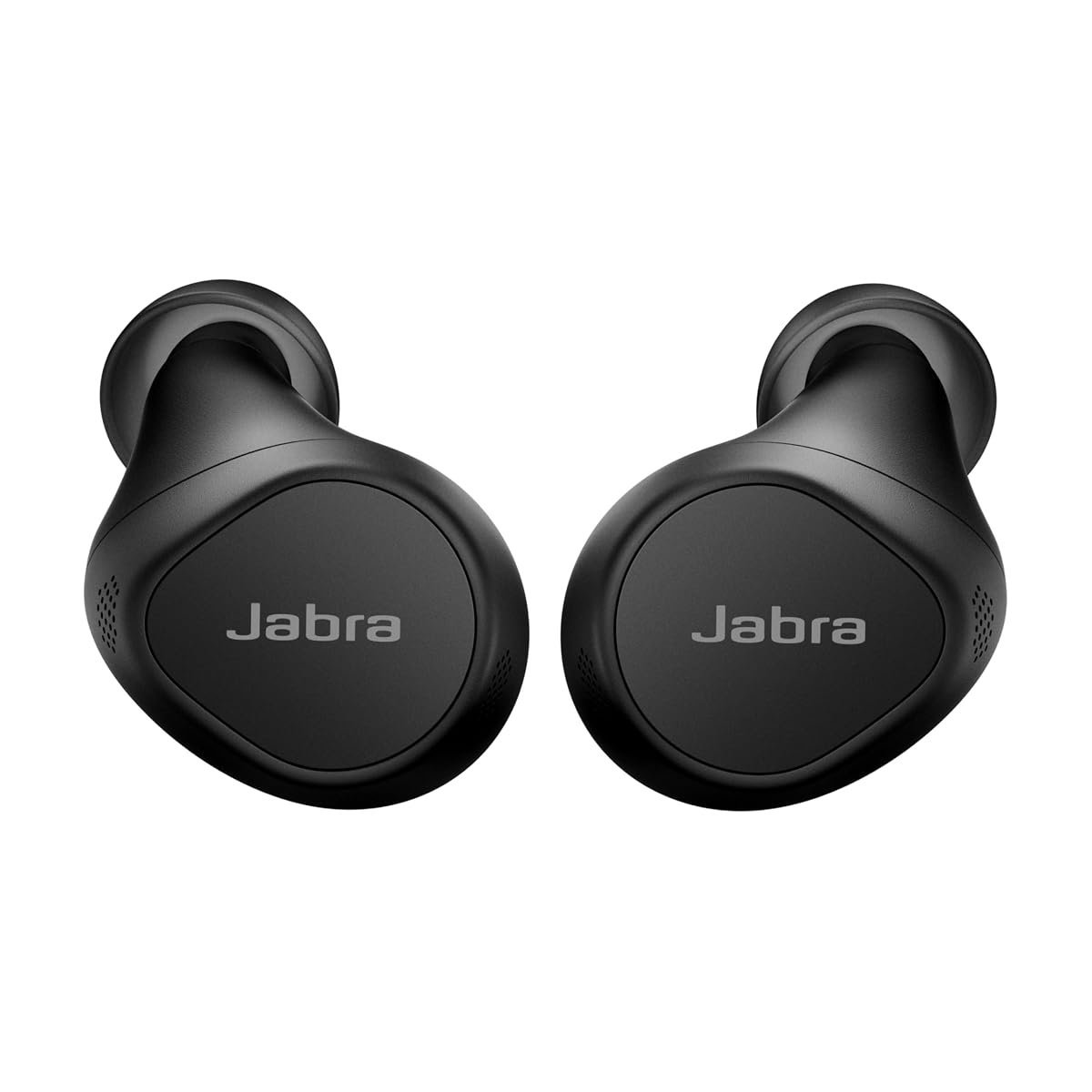
Four beamforming microphones and two bone conduction sensors sit behind the call system here, a configuration aimed at conferencing rather than music. Six millimetre drivers handle playback. Active cancellation is tuned for office and commute noise.
On calls these are in a different class to everything else in this guide. Bone conduction picks the voice up through the jaw rather than the air, so a windy street or a noisy cafe stops leaking into a meeting. Cancellation handles open-plan office noise comfortably.
Music playback is competent rather than exciting, and the tuning is deliberately neutral for speech. Anyone spending several hours a day on calls will value that trade immediately. As a general listening pair there are better options higher up.
Pros
- Four beamforming microphones plus two bone conduction sensors
- Voice stays clear in wind and background noise
- Cancellation tuned for open-plan offices
- 6mm drivers
Cons
- Music tuning is neutral rather than engaging
- Built around conferencing rather than listening
Key specs: 6mm drivers; 4 beamforming microphones; 2 bone conduction sensors; active noise cancelling; 16 ohm impedance.
CHECK ON AMAZONHow to Choose the Best Wireless Earbuds in Australia
Fit decides everything downstream. A sealed tip that does not seal cancels almost nothing and loses most of its bass, so the buds will sound thin and quiet no matter what the specification claims. Try the supplied tip sizes properly before judging the sound. Ears that reject sealed tips entirely should go straight to an open-fit or hook design.
Codec support sets the ceiling on Android and is irrelevant on iPhone. LDAC and aptX Lossless carry more data than the standard SBC and AAC codecs, and an Android phone can use them. Apple devices only speak AAC, so paying extra for lossless support alongside an iPhone buys nothing at all.
Read the two battery numbers separately. Manufacturers quote playback from the buds and total playback including the case, and the second figure is always the larger and less useful one. Buds lasting five hours need a mid-afternoon return to the case whatever the case total says. Cancellation typically costs one to two hours of the quoted figure.
Match the cancellation type to the actual noise. Active cancellation works best on constant low frequencies such as engines, air conditioning and train rumble, and much less well on speech or sudden sounds. An office of talking colleagues is better handled by a firm physical seal than by a bigger cancellation number.
Awareness is a safety feature outdoors. Sealed buds with cancellation running remove the sound of an approaching car, which matters on a road or a shared path. Open-ear hook designs leave hearing intact and are the sensible choice for running and cycling. A transparency mode is a partial substitute rather than an equivalent.
Check the ecosystem before the specification sheet. Apple and Samsung both reserve their best behaviour for their own phones, so buying either brand alongside the wrong handset removes most of what justifies the outlay. Third-party sets treat every phone alike. For home listening the same logic applies to bigger gear, and our guide to portable projectors in Australia covers pairing audio to a screen. Confirm the codec your phone supports before ordering, because that single check decides more than any other on this page.
Frequently Asked Questions
How long do wireless earbuds last on one charge?
Most sealed in-ear models run 8 to 11 hours with noise cancellation switched off, dropping by one to two hours with it on. Open-fit designs without a seal tend to be shorter, around 5 hours. The larger figure quoted on the box usually includes several recharges from the case rather than continuous playback.
Do I need noise cancelling earbuds?
It depends on the noise being dealt with. Active cancellation is very effective on constant low frequencies such as aircraft cabins, train carriages and air conditioning, and considerably less effective on speech. Someone working in a quiet home office gains far less from it than a daily commuter does.
What is the difference between open-fit and open-ear earbuds?
Open-fit buds such as the standard AirPods rest in the outer ear without sealing the canal, while open-ear designs use a hook to hold the driver outside the ear altogether. Both leave hearing largely intact. Open-ear hooks stay put better during exercise and generally run longer between charges.
Does codec support actually matter?
On an Android phone, yes. LDAC and aptX Lossless transmit more data than SBC or AAC and the difference is audible on well-recorded material through capable drivers. On an iPhone it makes no difference at all, because Apple devices only transmit AAC regardless of what the earbuds support.
Are wireless earbuds waterproof?
Very few are truly waterproof. Most carry an IPX4 rating, which covers sweat and light rain but not submersion, and charging cases are usually rated lower than the buds themselves. Check the rating on the case separately if the buds will be carried in a gym bag or on wet commutes.
Can wireless earbuds connect to two devices at once?
Bluetooth multipoint allows a set to hold connections to two devices simultaneously, typically a phone and a laptop, and switch automatically when audio starts. Most mid-range and flagship models now include it. Apple and Samsung handle the same problem through their own account-based switching within their ecosystems.
Verdict
Commuters and frequent flyers should take the Sony WF-1000XM5, which removes more engine and cabin noise than anything else here and holds a call together in wind. Ears that ache after an hour in sealed tips are better served by the Bose QuietComfort set and its three stability band sizes, or by the SHOKZ OpenFit Pro if hearing traffic matters more than blocking it. On an Android phone the EarFun Air Pro 4 undercuts every flagship on this list while supporting aptX Lossless and LDAC that the Apple sets cannot use at all.