
The best Android phone in Australia is the one whose software support outlasts how long you intend to keep it. Hardware differences between a flagship and a competent mid-range handset have narrowed to the point of being hard to notice; the gap that still decides the purchase is how many more years of Android and security updates the manufacturer has committed to.
Two decisions sit underneath everything else here. How long the phone will keep receiving updates, and whether you buy it new or refurbished. Those two cross to produce four practical groups: current flagship, refurbished flagship, new mid-range, and refurbished budget.
Screen size across this guide spans 6.1 inches to 6.9 inches, roughly 15 cm to 17.5 cm corner to corner, and battery capacity runs from 4300 mAh to 6500 mAh. Update commitment, battery size and whether a charger is included in the box tell you more about how the phone will feel in a year than any megapixel figure printed on it.
Seven of the ten phones below are refurbished and three are new, and every entry states which it is. They are grouped by what the money buys rather than by brand.
Quick Picks
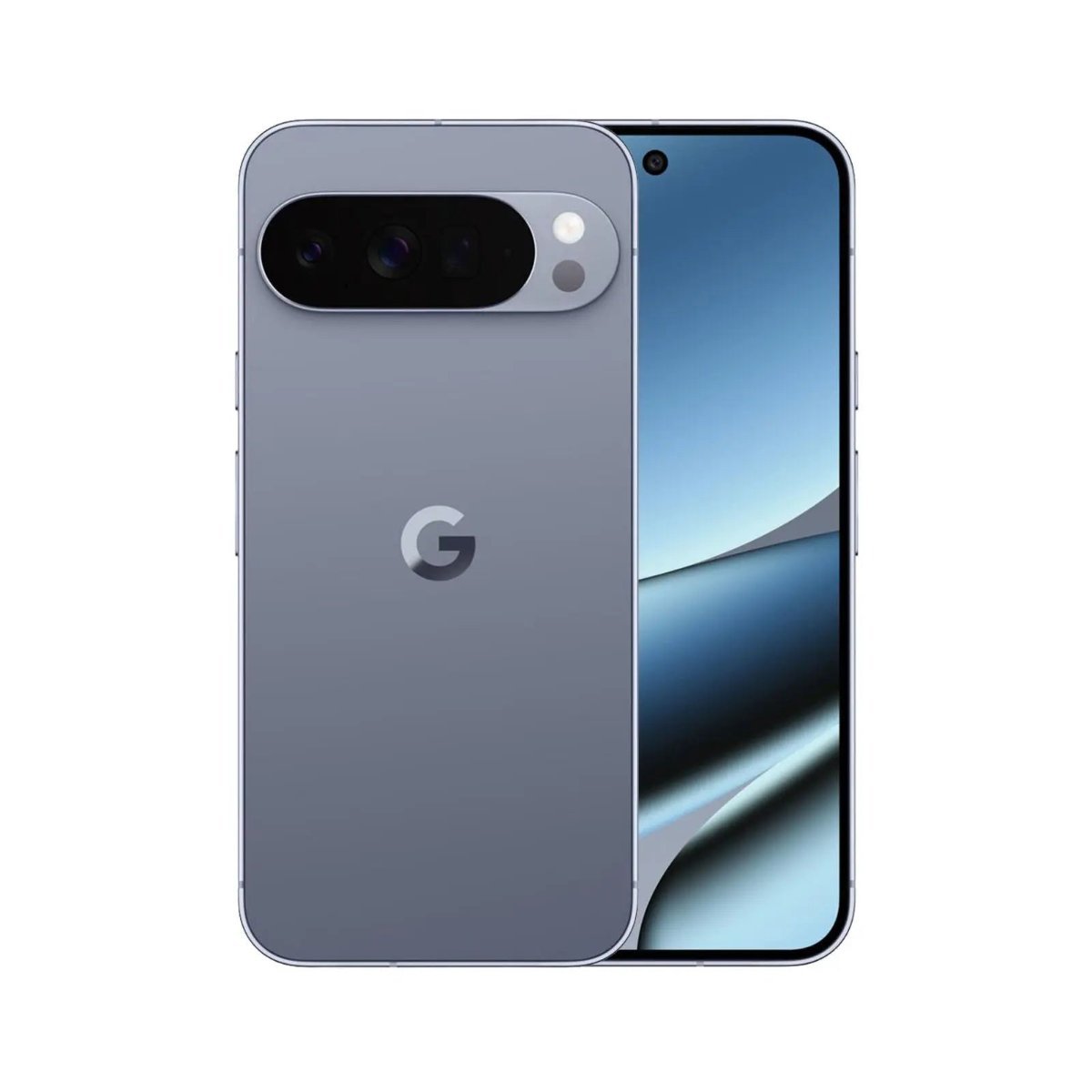
Google Pixel 10 Pro
The full Pixel triple-camera stack in a body you can still use one-handed.
CHECK CURRENT PRICE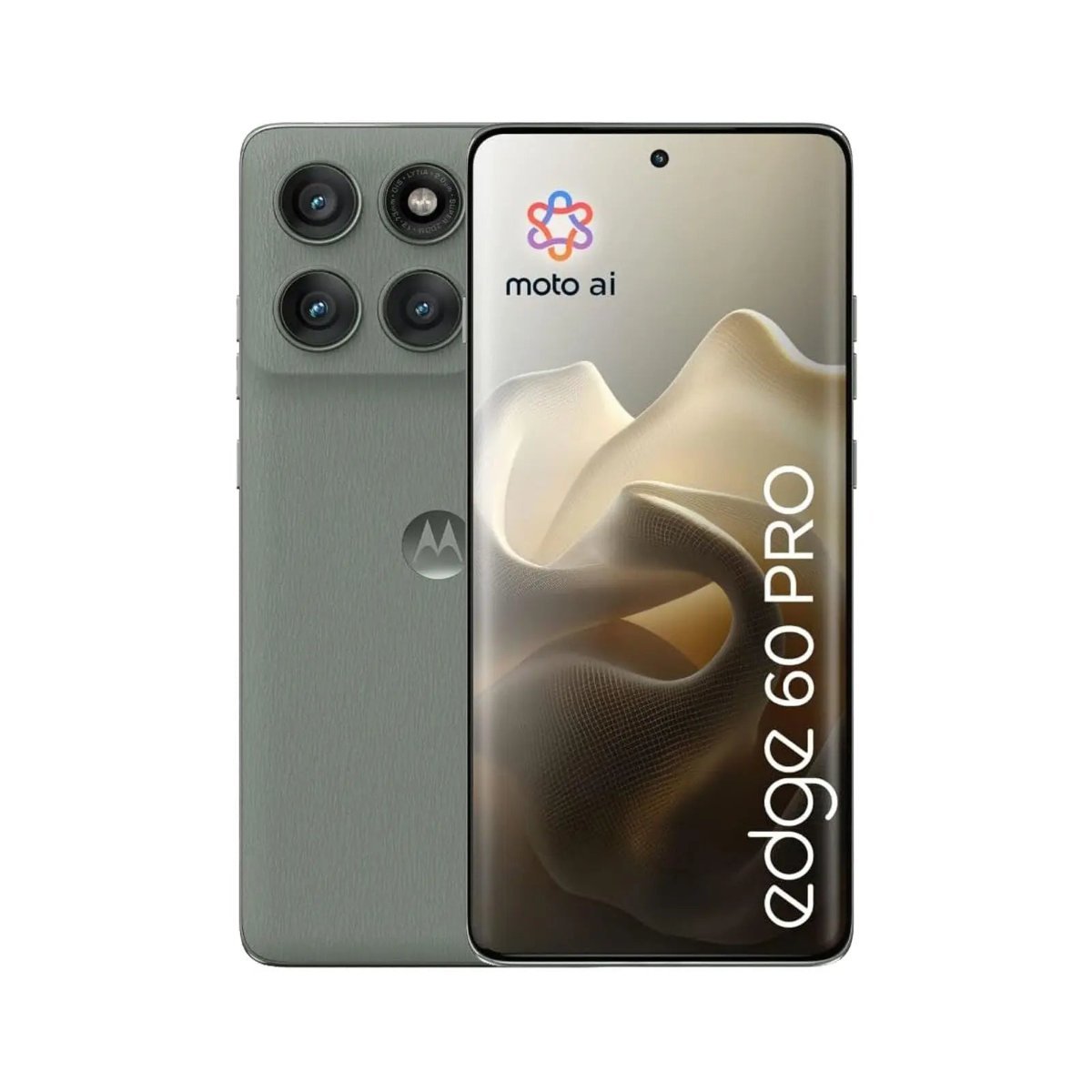
Motorola Edge 60 Pro 5G
Six thousand milliamp-hours and 90W charging, a pairing the big two do not offer here.
CHECK CURRENT PRICE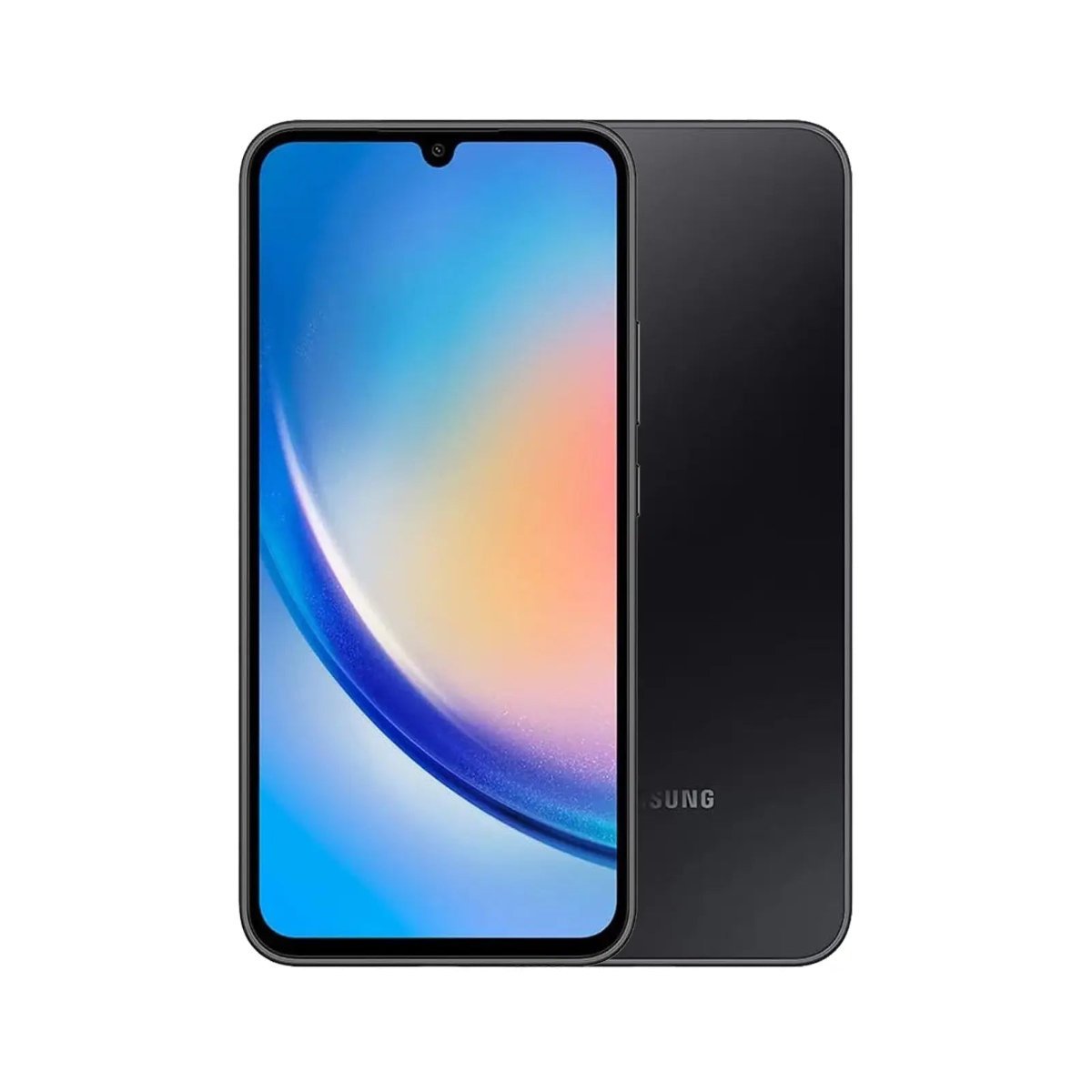
Samsung Galaxy A34
A 120Hz AMOLED plus microSD expansion no flagship in this guide can match.
CHECK CURRENT PRICEBest Android Phone in Australia Compared
| Product | Link | Type | Best For | Key Spec |
|---|---|---|---|---|
| Samsung Galaxy S26 Ultra | Check price | Refurbished flagship | Zoom photography and stylus work | 6.9 in, 5000 mAh, 200MP |
| Google Pixel 10 Pro | Check price | Refurbished flagship | Photography in a compact body | 6.3 in, 4870 mAh, triple rear |
| Nothing Phone (3) 5G | Check price | Refurbished flagship | Buyers avoiding Samsung and Google | 6.67 in, 5150 mAh, 65W |
| Samsung Galaxy Z Flip7 | Check price | Refurbished foldable | Trying a foldable without full price | 6.9 in folding, 4300 mAh |
| Motorola Edge 60 Pro 5G | Check price | Refurbished mid-range | Long days away from a charger | 6.7 in, 6000 mAh, 90W |
| Google Pixel 7a | Check price | Refurbished budget | Camera quality on a small budget | 6.1 in, 4385 mAh, 64MP |
| Samsung Galaxy A34 | Check price | Refurbished entry | Storage expansion on a budget | 6.6 in, 5000 mAh, microSD |
| Xiaomi Redmi Note 15 Pro Plus 5G | Check price | New mid-range | New stock without flagship pricing | 6.83 in, 6500 mAh, IP69K |
| REDMAGIC 11S Pro | Check price | New gaming phone | Sustained performance in games | 6.85 in, 144Hz, 16GB RAM |
| Motorola G06 | Check price | New budget | A first phone bought new | 6.88 in, 64GB, IP64 |
1. Samsung Galaxy S26 Ultra – Best Refurbished Flagship
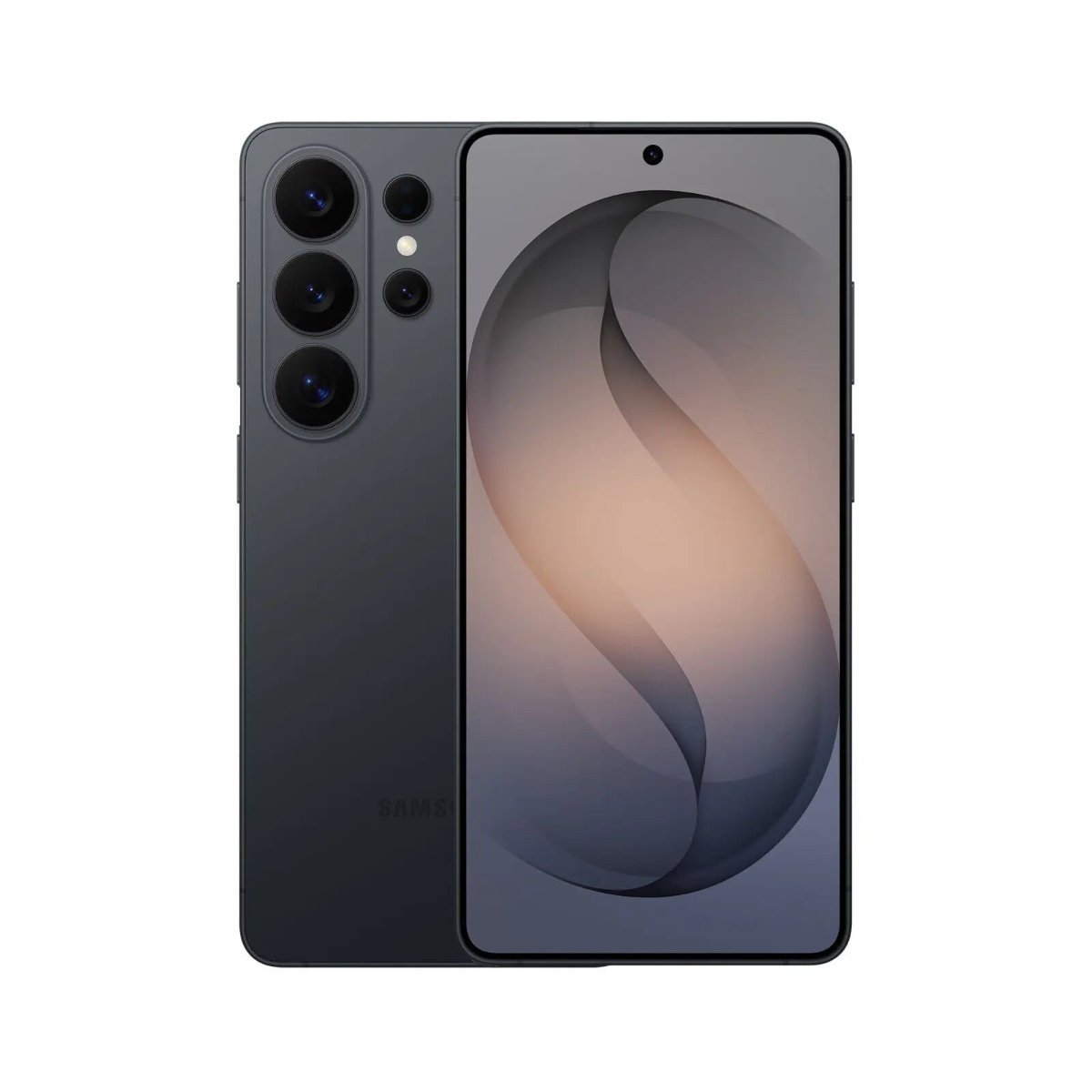
A 6.9-inch Dynamic AMOLED 2X panel running Quad HD+ at up to 120Hz sits at the front, with a Snapdragon 8 Elite Gen 5 behind it and either 12GB or 16GB of memory depending on storage tier. The 200MP wide camera opens at f/1.4, which is the widest aperture on any phone in this guide.
Graded refurbished stock means the cosmetic condition is priced in rather than hidden, and the grade determines what you pay. A 12-month warranty and a 30-day satisfaction window come with it, network unlocked, which removes most of the risk that puts people off used handsets.
This is a large phone and no amount of software makes it a one-handed one. Anyone who photographs at distance, or works from the phone enough to want the stylus, gets more from it than they would from a smaller flagship.
Pros
- 200MP f/1.4 wide camera
- Quad HD+ 120Hz AMOLED at 6.9 inches
- 12-month warranty on refurbished stock
- Three storage tiers and six colours in stock
Cons
- Too large for comfortable one-handed use
- Entry grade carries visible cosmetic wear
Key specs: 6.9 in Dynamic AMOLED 2X, Quad HD+ 120Hz, Snapdragon 8 Elite Gen 5, 12-16GB RAM, 256GB to 1TB, 5000 mAh, 200MP wide, refurbished with 12-month warranty
CHECK CURRENT PRICE2. Google Pixel 10 Pro – Best Camera
Google’s Tensor G5 runs this one on a 3nm process, paired with 16GB of memory and a 6.3-inch LTPO OLED at 120Hz. The rear array is a 50MP wide, a 48MP telephoto and a 48MP ultrawide, with a 42MP front camera that outresolves most rear cameras from a few years ago.
Computational photography is where Pixels earn their reputation, and the Pro is the model that gets the full three-lens stack rather than a cut-down pair. Shipping on Android 16 with Google’s own silicon also means update timing comes straight from the source rather than through a manufacturer skin.
At 6.3 inches this is the compact option among the flagships here, which matters more than spec sheets suggest if you have ever tried to use an Ultra one-handed on a train.
Pros
- Full triple-camera stack, not a reduced pair
- Compact 6.3-inch flagship body
- 16GB RAM and Tensor G5
- Updates come direct from Google
Cons
- 4870 mAh is the smallest battery of the flagships here
- Telephoto reach falls short of the 200MP Ultra
Key specs: 6.3 in LTPO OLED 120Hz, Tensor G5 3nm, 16GB RAM, 256GB to 1TB, 4870 mAh, 50MP + 48MP + 48MP rear, Android 16, refurbished
CHECK CURRENT PRICE3. Nothing Phone (3) 5G – Best Alternative to the Big Two
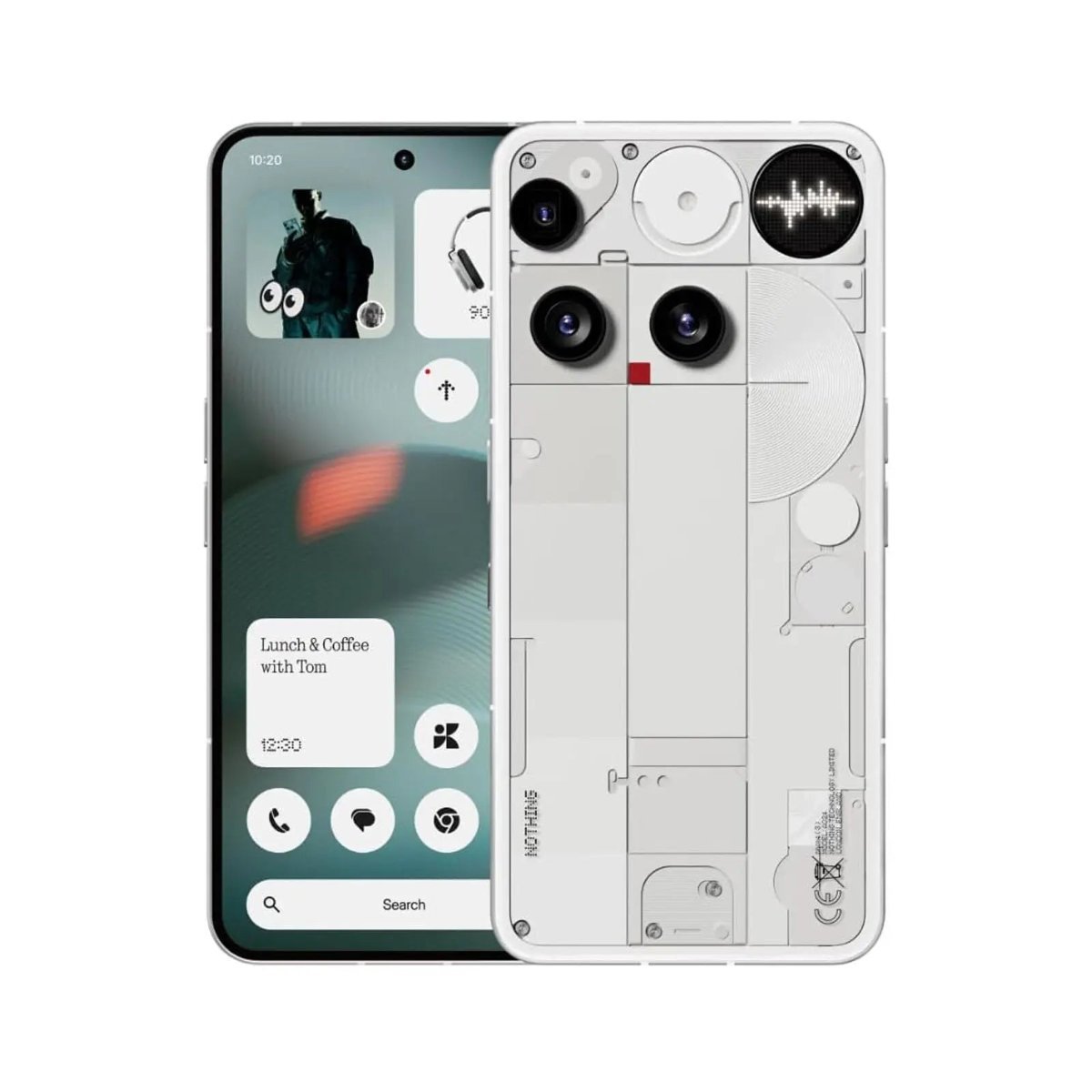
Three 50MP rear cameras, a 50MP front camera and a 6.67-inch 120Hz OLED at 418 pixels per inch make up the hardware, driven by a Snapdragon 8s Gen 4 with 12GB or 16GB of memory. Charging runs at 65W wired, faster than anything Samsung or Google put in this guide.
Nothing OS is the reason to consider it beyond the spec sheet, being a lighter layer over Android than the alternatives, though the promised three major upgrades is shorter support than Google or Samsung now offer. That is the genuine trade for the design and the charging speed.
Local presence is almost nil, which is precisely why a graded and warrantied unit is interesting: buying this brand in Australia otherwise means importing. It fits someone who has had two Samsungs and wants the next phone to feel different.
Pros
- Four 50MP cameras including the front
- 65W wired charging
- 5150 mAh battery
- Distinctive hardware with a light Android skin
Cons
- Only three major Android upgrades promised
- Almost no Australian service network
Key specs: 6.67 in OLED 120Hz 418ppi, Snapdragon 8s Gen 4, 12-16GB RAM, 256-512GB, 5150 mAh, 65W wired, triple 50MP rear plus 50MP front, refurbished
CHECK CURRENT PRICE4. Samsung Galaxy Z Flip7 – Best Foldable
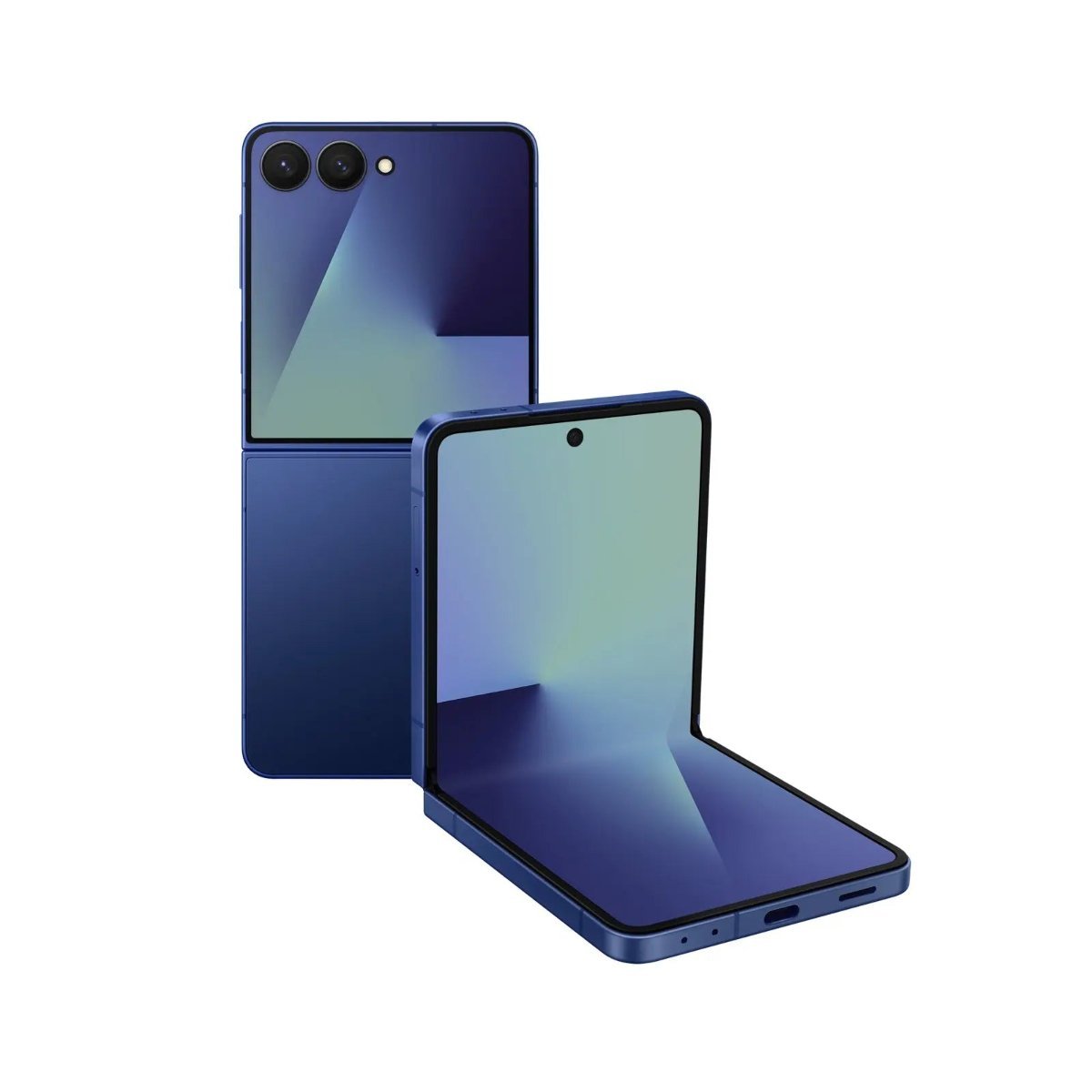
A 6.9-inch folding LTPO AMOLED 2X at 120Hz closes into something that fits a pocket properly, run by an Exynos 2500 on a 3nm process with 12GB of memory. Cameras are a 50MP primary and a 12MP ultrawide, shipping on Android 16.
Folding hardware carries a durability question that a spec sheet cannot answer, which is exactly why buying one at refurbished pricing is a sensible way to find out whether the form factor suits you. The 12-month warranty covers the hinge along with everything else.
The 4300 mAh cell is the smallest here and folding phones spend power keeping two displays alive, so heavy days will need a top-up. Anyone curious about a flip without committing new-flagship money should start here rather than with the larger fold.
Pros
- Current-generation flip at refurbished pricing
- 6.9-inch 120Hz folding panel
- 12-month warranty covering the hinge
- Genuinely pocketable when closed
Cons
- Smallest battery in this guide at 4300 mAh
- 25W charging is slow for a flagship
Key specs: 6.9 in foldable Dynamic LTPO AMOLED 2X 120Hz, Exynos 2500, 12GB RAM, 256-512GB, 4300 mAh, 25W wired, 50MP + 12MP, Android 16, refurbished
CHECK CURRENT PRICE5. Motorola Edge 60 Pro 5G – Best Battery Life
Six thousand milliamp-hours with 90W charging is the headline, and neither Samsung nor Google sells that combination at this level. Behind a 6.7-inch pOLED at 120Hz sits a MediaTek Dimensity 8350 with 12GB of LPDDR5X memory and up to 512GB of UFS 4.0 storage.
A larger cell paired with fast charging changes the daily pattern rather than just the number: a phone that lasts a long day and refills in a short break is more useful than one that manages neither. The triple rear array adds a 10MP telephoto, which most phones at this price omit entirely.
MediaTek silicon does not have the sustained-performance reputation of a Snapdragon 8 series under heavy load. It suits a reader whose complaint about their current phone is that it dies by dinner.
Pros
- 6000 mAh with 90W charging
- Includes a 10MP telephoto at this level
- UFS 4.0 storage up to 512GB
- 120Hz pOLED panel
Cons
- MediaTek chipset throttles harder under load
- Shorter update commitment than Pixel or Galaxy
Key specs: 6.7 in pOLED 120Hz, MediaTek Dimensity 8350, 12GB LPDDR5X, up to 512GB UFS 4.0, 6000 mAh, 90W charging, 50MP + 50MP + 10MP rear, refurbished
CHECK CURRENT PRICE6. Google Pixel 7a – Best Budget Camera
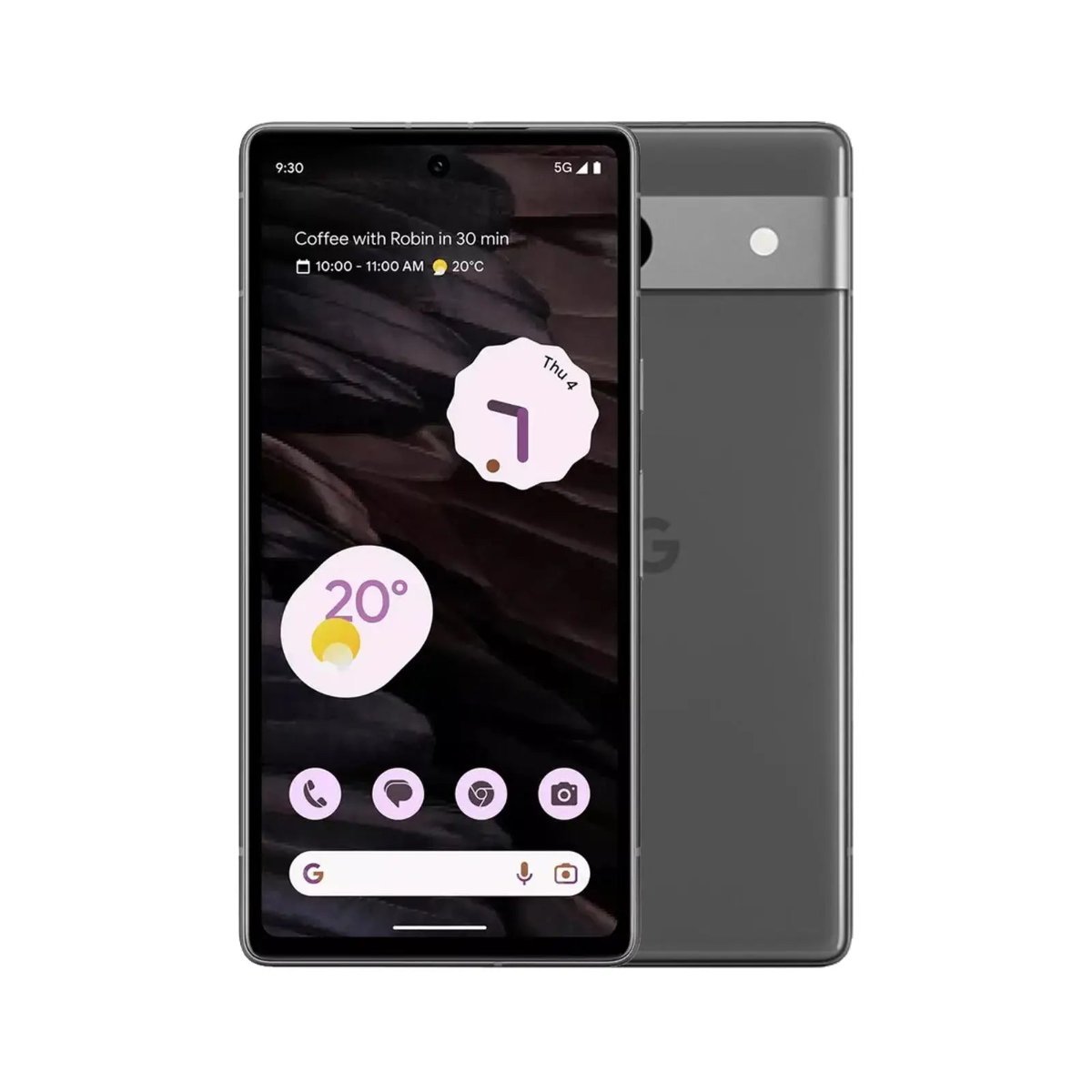
A 64MP primary camera on a 6.1-inch 90Hz OLED, driven by Google’s Tensor G2 with 8GB of memory and 128GB of storage. It is the smallest phone in this guide by screen size.
Pixel photography does not scale down with price the way most phones do, because the processing does the heavy lifting rather than the sensor. That is why a several-generations-old A-series Pixel still takes better photos than newer phones costing more.
It shipped on Android 13 and reaches Android 15, so the update runway is short and that is the honest limitation. Buy it as a two-year phone for someone who mainly wants good photos, not as a long-term keeper.
Pros
- 64MP camera with Pixel processing
- Compact 6.1-inch body
- Lowest outlay for genuine camera quality
- 8GB RAM is adequate for the class
Cons
- Update support runs out at Android 15
- 90Hz panel rather than 120Hz
Key specs: 6.1 in OLED 90Hz, Tensor G2 5nm, 8GB RAM, 128GB, 4385 mAh, 64MP + 13MP rear, ships Android 13 upgradeable to 15, refurbished
CHECK CURRENT PRICE7. Samsung Galaxy A34 – Best Entry Refurbished
A 6.6-inch Super AMOLED at FHD+ and 120Hz, an octa-core chip, 128GB of storage expandable by microSD to 1TB, and a 5000 mAh battery. The triple rear array is 48MP, 8MP and 5MP.
The microSD slot is the feature worth pausing on, because none of the flagships above this point have one. For anyone who keeps large photo or music libraries on the device, that single slot is worth more than a faster chipset.
Performance is entry-level and heavy games will show it. This is the phone for a first handset, a parent upgrading from something much older, or a spare that still needs a decent screen.
Pros
- microSD expansion up to 1TB
- 120Hz Super AMOLED at entry level
- 5000 mAh battery
- Lowest outlay in this guide
Cons
- Entry-level performance under load
- Only a 5MP third camera
Key specs: 6.6 in Super AMOLED FHD+ 120Hz, octa-core, 128GB expandable to 1TB via microSD, 5000 mAh, 48MP + 8MP + 5MP rear, 13MP front, refurbished
CHECK CURRENT PRICE8. Xiaomi Redmi Note 15 Pro Plus 5G – Best New Mid-Range
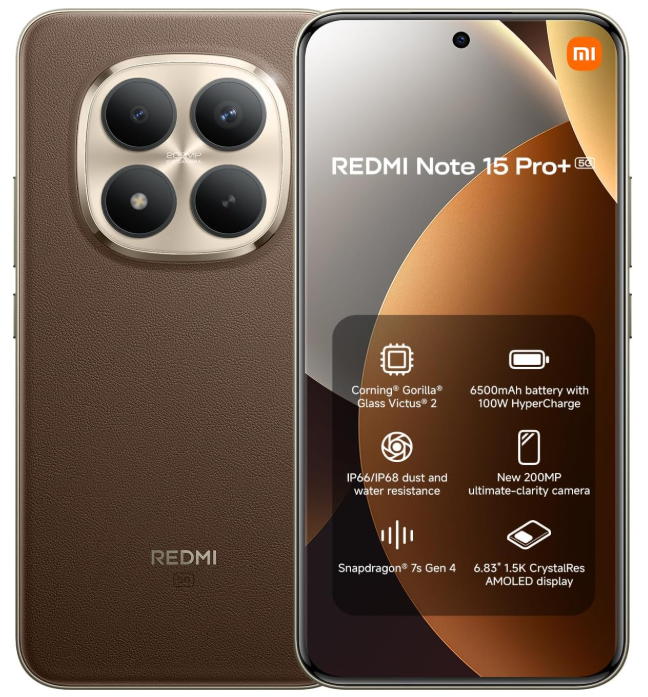
A 6.83-inch 1.5K AMOLED running at 120Hz and up to 3200 nits, 8GB of memory with 256GB of storage, a 200MP main camera and a 6500 mAh silicon-carbon battery with 100W charging. It carries an IP69K rating, which is a step above the IP68 most phones claim.
The battery and the ingress rating are the genuine differentiators. A silicon-carbon cell packs more capacity into the same space than lithium-ion, and 6500 mAh is the largest here by a clear margin, while IP69K adds resistance to high-pressure water jets rather than just immersion.
The listing quotes conflicting chipsets in its bullets and its spec table, so treat the silicon as unconfirmed until the box is open. No charger is included despite the 100W capability, which is worth budgeting for.
Pros
- 6500 mAh silicon-carbon battery
- IP69K ingress rating
- 1.5K 120Hz AMOLED at up to 3200 nits
- New and sealed with local dispatch
Cons
- Charger not included despite 100W support
- Listing states two different chipsets
Key specs: 6.83 in 1.5K AMOLED 120Hz up to 3200 nits, 8GB RAM, 256GB, 6500 mAh silicon-carbon, 100W charging, 200MP main, IP69K, AU version, new
CHECK ON AMAZON9. REDMAGIC 11S Pro – Best for Gaming

A 6.85-inch 1.5K AMOLED at 144Hz with touch sampling between 360Hz and 3000Hz, a Snapdragon 8 Elite Gen 5 clocked to 4.74GHz, 16GB of memory and 512GB of storage. The front camera sits under the display, so the panel has no notch or punch-hole.
Refresh rate and touch sampling are what separate a gaming phone from a fast phone, and 144Hz with 3000Hz sampling is well beyond the 120Hz the flagships here manage. An uninterrupted screen also matters more in games than in any other use.
A 50MP single rear camera is modest next to the multi-lens arrays above, and that is the deliberate trade. It suits someone whose phone is primarily a games machine and secondarily a camera.
Pros
- 144Hz panel with up to 3000Hz touch sampling
- Snapdragon 8 Elite Gen 5 with 16GB RAM
- No notch, under-display front camera
- 512GB storage as standard
Cons
- Single 50MP rear camera
- Sold through a third-party storefront rather than direct
Key specs: 6.85 in 1.5K AMOLED 2688×1216 at 144Hz, Snapdragon 8 Elite Gen 5 to 4.74GHz, 16GB RAM, 512GB, 50MP rear, 16MP under-display front, Android 16, new
CHECK ON AMAZON10. Motorola G06 – Best New Budget
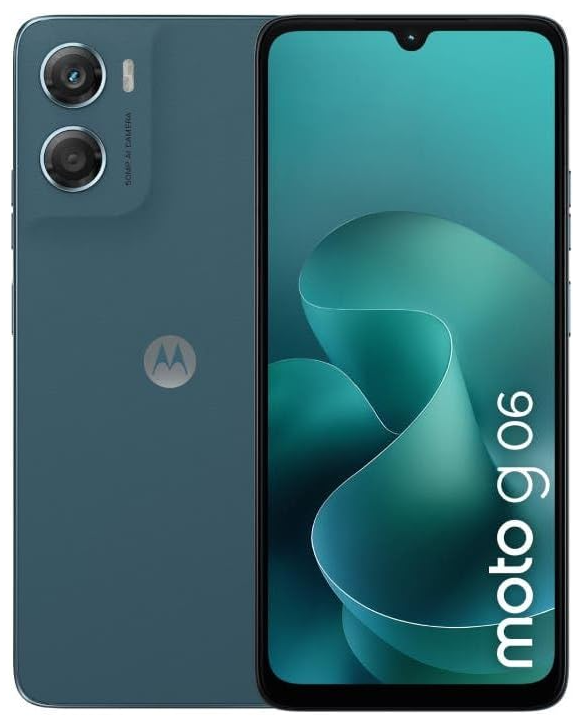
A 6.88-inch display, a MediaTek Helio chip at 2GHz, 4GB of memory expandable to an effective 12GB through RAM Boost, 64GB of storage and stereo speakers. IP64 covers splashes rather than immersion.
This is the cheapest phone in the guide and the only new one at this level, which is the whole argument for it. Buying new at this price means a full manufacturer warranty and a sealed battery rather than a graded one, and for a first phone that certainty is worth more than specifications.
Sixty-four gigabytes fills quickly and 4GB of physical memory limits how many apps stay open. Treat it as a phone for a child, a work handset, or a replacement that needs to be reliable rather than fast.
Pros
- New with full manufacturer warranty
- Stereo speakers at this level
- Large 6.88-inch display
- Overnight delivery available
Cons
- 64GB storage and 4GB physical RAM
- IP64 only protects against splashes
Key specs: 6.88 in display, MediaTek Helio 2GHz, 4GB RAM with RAM Boost to 12GB, 64GB, stereo speakers, 50MP AI camera, IP64, Android 15, new
CHECK ON AMAZONHow to Choose an Android Phone
Start with the update commitment, not the chipset. A phone stops being safe to use before it stops being fast. Google and Samsung now promise the longest windows on their current ranges, while smaller brands typically commit to three major versions, so a two-year-old handset from a short-support brand may have almost no runway left.
Understand what a refurbished grade actually describes. Grading covers cosmetic condition, not function. A Grade B unit works exactly as a Grade A one does and carries visible marks instead, so the cheaper grade is the rational choice unless the phone is going in a pocket without a case.
Check the battery figure against how you use a phone. Anything under 4500 mAh needs a mid-afternoon top-up under heavy use, and folding phones spend extra power driving two panels. Fast charging partly compensates, which is why a 6000 mAh cell with 90W charging behaves very differently to the same capacity at 25W.
Work out whether a charger is in the box. Several manufacturers now ship without one even when the phone supports very fast charging, and a compatible high-wattage brick is a real additional cost. The phone that looks cheaper on the listing is not always cheaper on the doorstep.
Remember what else the phone has to run. A handset is now the control surface for hardware that outlives it, and an app that stops receiving updates can strand a device that still works perfectly. That applies to home security cameras which depend on a live app connection to be useful, and to drones where the phone is the ground station rather than an accessory.
Know what the warranty actually covers. Refurbished sellers in this guide provide a 12-month warranty of their own, which is separate from any manufacturer cover and usually shorter. Australian Consumer Law guarantees sit on top of both regardless of what a warranty document says, and they apply to refurbished goods as well as new ones, judged against what is reasonable for the age and price of the item.
If photography is the main reason you’re upgrading, see our pick of the best camera phones.
Frequently Asked Questions
Is a refurbished Android phone worth buying in Australia?
For a flagship, usually yes. The hardware is tested, the battery health is verified and the seller provides a 12-month warranty, which removes most of the risk. The saving against new pricing is largest on flagships because they depreciate fastest, so a refurbished flagship often outperforms a new mid-range phone bought for the same money.
How long do Android phones receive software updates?
It varies more than any other specification. Google and Samsung currently offer the longest commitments on their flagship and A-series ranges, while smaller manufacturers typically promise three major Android versions. Check the promise against the phone’s release date, because a support window counts from launch and not from your purchase.
What do refurbished grades like A and B mean?
Grades describe cosmetic condition only. Grade A means marks that are hard to see at arm’s length, Grade B means visible wear. Both are function-tested to the same standard with verified battery health, so the grade changes how the phone looks rather than how it works.
Do refurbished phones come with a warranty in Australia?
The sellers in this guide include a 12-month warranty of their own. Australian Consumer Law guarantees also apply to refurbished goods, assessed against what is reasonable given the item’s age and price, so a fault appearing shortly after purchase is covered regardless of the written warranty term.
Is it better to buy a new mid-range phone or a refurbished flagship?
A refurbished flagship generally wins on screen, cameras and build, while a new mid-range phone wins on warranty length, battery condition and remaining update runway. If the phone needs to last four years, the new one is the safer choice; if it needs to take the best photos, the refurbished flagship is.
Are phones sold in Australia network unlocked?
Handsets bought outright, including the refurbished ones here, are normally sold unlocked and work on any Australian network. Phones supplied on a carrier contract can be locked, so this is worth confirming before buying secondhand from a private seller rather than a refurbisher.
The Verdict
Brand loyalty is the most expensive habit in this category. For photography, the Google Pixel 10 Pro is the one to buy, carrying the full triple-camera stack and current Google silicon in a body still usable with one hand. Where the complaint about the current phone is that it never lasts the day, the Motorola Edge 60 Pro 5G answers it directly with 6000 mAh and 90W charging, a combination neither Samsung nor Google offers at this level. And for a phone that has to arrive new, sealed and under full manufacturer warranty, the Xiaomi Redmi Note 15 Pro Plus 5G holds the largest battery here behind an IP69K rating.