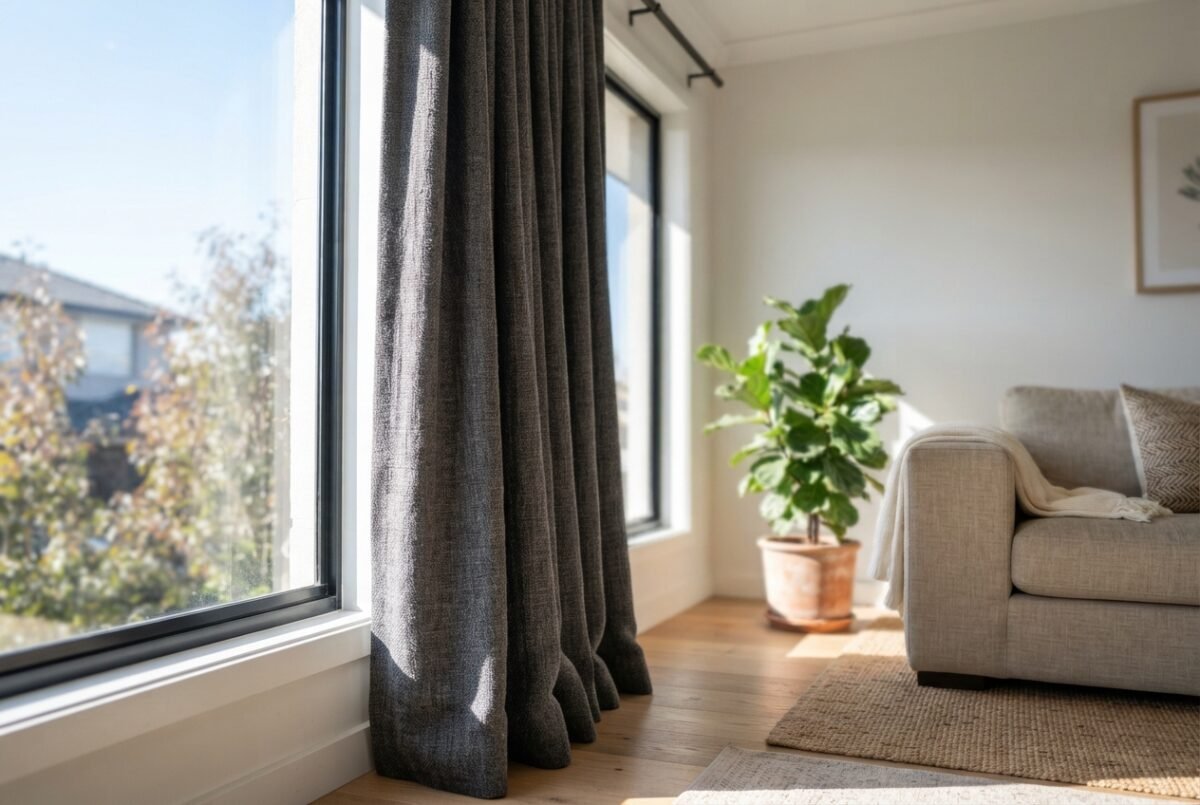
Blackout curtains are window coverings built from a tightly woven or coated fabric that blocks external light almost completely, rather than just softening it the way a standard curtain does. The best blackout curtains in Australia hang floor-length and wrap close to the wall on either side of the window, since gaps at the edges let in exactly the strip of light a blackout fabric is meant to stop, and they hold their light-blocking coating without it cracking or flaking within the first year or two of use.
A handful of distinct styles turn up in this category. Eyelet blockout curtains hang from metal rings punched through the fabric top, sliding easily along a rod and giving a neat, structured fold. Roller blinds with a blockout fabric sit flush against the window frame instead of hanging in folds, which suits a rental or a room where floor-length fabric isn’t practical. No-drill portable blockout covers stick or clip directly to the window itself, a renter-friendly option that skips curtain rods and wall fixings entirely.
The spec worth checking before anything else is how the fabric actually blocks light, not just the word “blockout” on the packaging. A genuine blockout curtain uses either a dense, tightly woven weave or a separate foam or acrylic backing laminated to the fabric – the backing version blocks more light for a given thickness but is also the part that degrades first, typically cracking or turning chalky after a year or two of direct sun. Size matters just as much: a curtain that’s narrower or shorter than the window it’s covering leaks light around every edge regardless of how good the fabric itself is.
This guide compares four blackout window coverings available through Australian retailers, from eyelet curtain panels in two sizes to a roller blind and a no-drill portable cover, for anyone after a properly dark room, not just a dimmer one.
Quick Picks
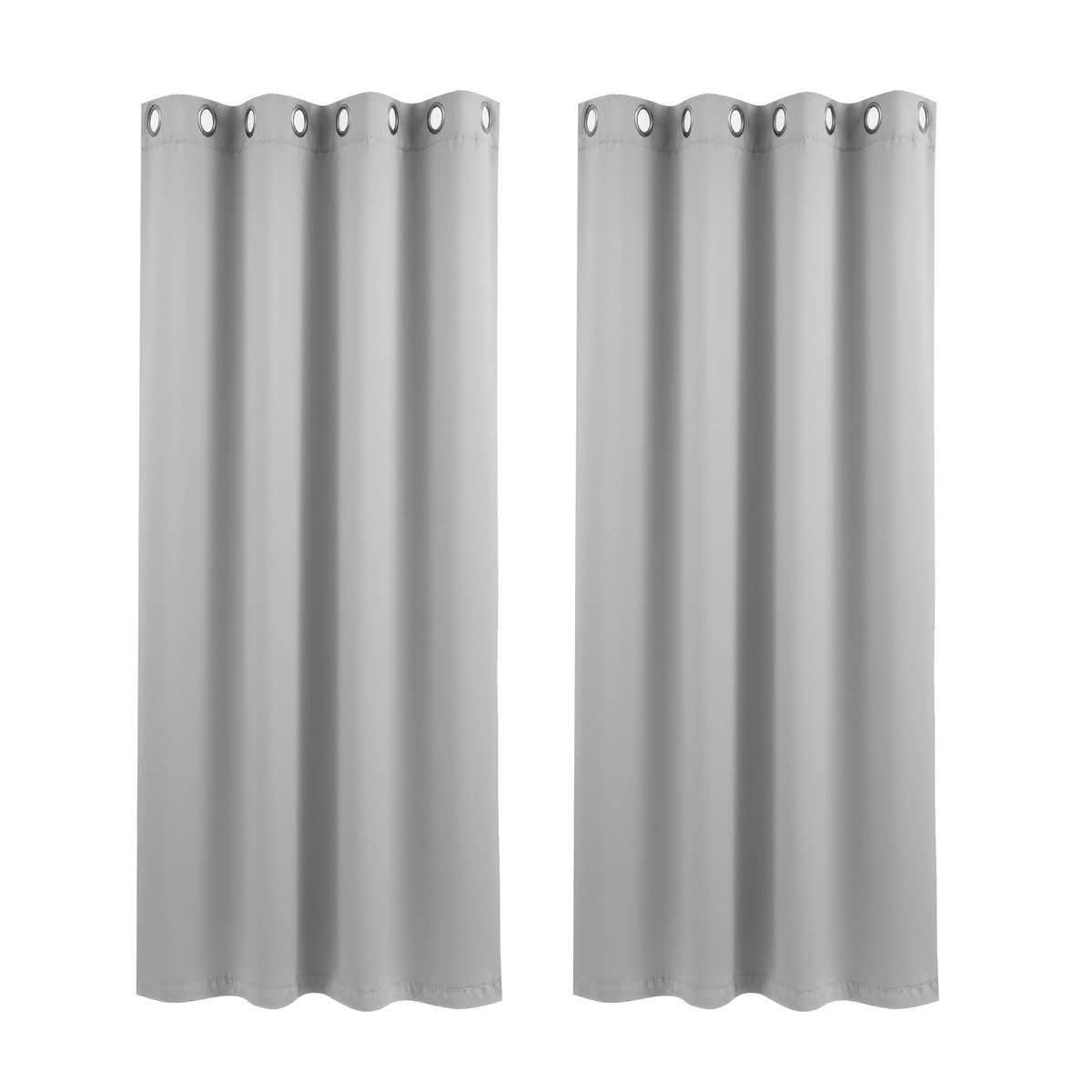
Artiss Thermal Insulated Eyelet Blockout Curtains, 132x160cm (Pair)
A recognisable Australian homewares brand sized for a typical bedroom window.
CHECK CURRENT PRICE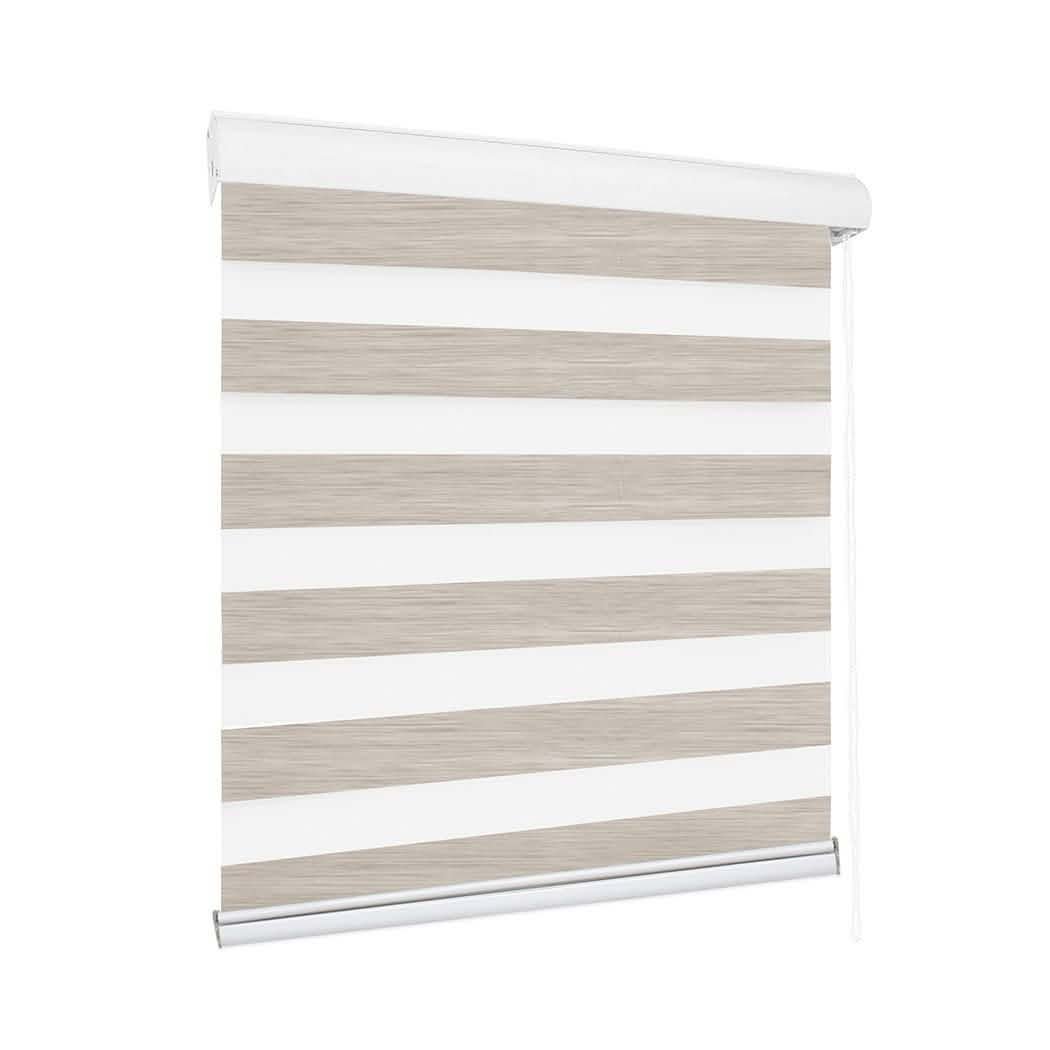
Blackout Zebra Roller Blind
Dual sheer-and-blockout bands dial in exactly how much light gets through.
CHECK CURRENT PRICE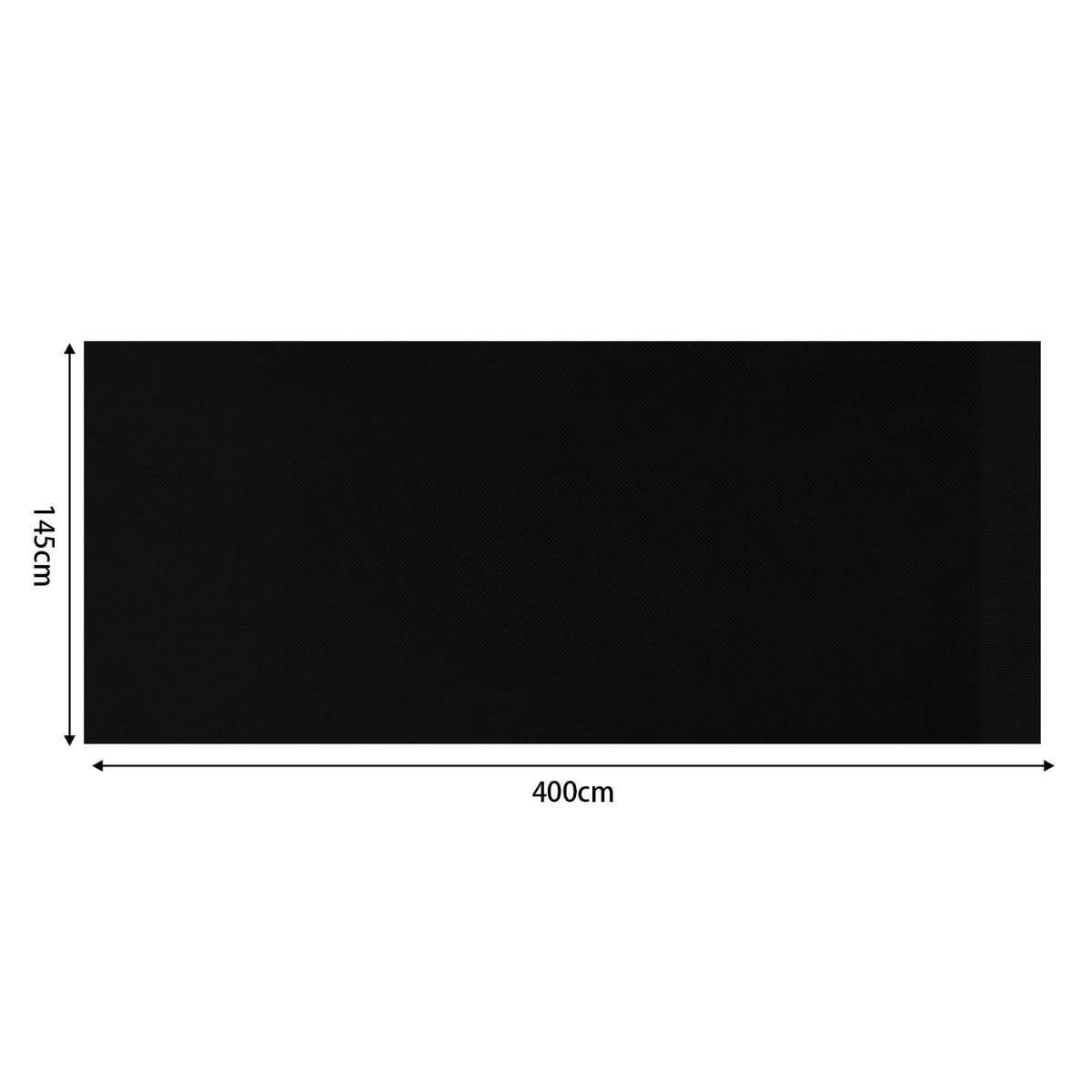
100% Blackout Portable DIY Window Cover
A cuttable blockout sheet that clings to any window without a rod or bracket.
CHECK CURRENT PRICEBest Blackout Curtains Australia Compared
| Product | Link | Type | Best For | Key Spec |
|---|---|---|---|---|
| Artiss Thermal Insulated Eyelet Blockout Curtains, 132x160cm (Pair) | Check price | Eyelet curtain | Standard-sized windows | 132x160cm per panel, pair, eyelet heading, thermal backing |
| Artiss Eyelet Blockout Curtains, 180x213cm (Pair) | Check price | Eyelet curtain | Large windows and sliding doors | 180x213cm per panel, pair, eyelet heading |
| Blackout Zebra Roller Blind | Check price | Roller blind | Rentals and window-frame-only spaces | 150x210cm, dual sheer-and-blockout fabric bands, blackout backing |
| 100% Blackout Portable DIY Window Cover | Check price | No-drill portable cover | Renters and temporary setups | 400x145cm, cuttable to size, static-cling or suction fit, no drilling |
How We Picked
We checked Australia’s retailers and marketplace partners for actually stocked blackout window coverings. Depth here was concentrated with two partners – one carrying a well-known eyelet curtain brand across several sizes, the other covering the roller-blind and no-drill portable end of the category. A larger range that showed up during the sweep turned out to be out of stock across every size and colour, so it was left out entirely instead of listed as available when it wasn’t.
We leaned on manufacturer specifications for fabric construction and backing type, and cross-referenced the Australian Government’s own energy-efficiency guidance on window coverings alongside ProductReview.com.au buyer feedback on comparable blockout curtains. We do not physically test every product ourselves.
1. Artiss Thermal Insulated Eyelet Blockout Curtains – Best for Standard Windows
A pair of eyelet panels sized for a standard bedroom window instead of a full wall of glass, this is the size most Australian bedrooms actually need, not the oversized options aimed at floor-to-ceiling living rooms. The eyelet rings slide smoothly along a standard rod and give the fold a neat, structured look without needing a separate lining.
Artiss is a recognisable Australian homewares brand with real retail presence, not an anonymous dropship listing, which counts for something when you’re trusting a laminated backing to actually block light for more than a season. The thermal backing does double duty here – the same layer that stops light also slows heat moving through the glass, worth something through both a Melbourne winter and a Perth summer.
At 160cm drop, this suits a standard window but won’t reach the floor in a room with higher ceilings – measure the actual drop you need before assuming the smaller size fits, since a curtain that stops short of the floor or sill lets light in underneath no matter how good the fabric is. Like any laminated blockout backing, expect it to be the first part that shows wear after a few years in direct sun.
Pros
- Sized for a standard bedroom window, not an oversized living room drop
- Recognisable Australian homewares brand, not an anonymous dropship listing
- Thermal backing helps with heat as well as light
Cons
- 160cm drop won’t reach the floor in a room with higher ceilings – measure first
- Laminated blockout backing is the first part likely to wear after a few years of sun
- Only blocks light effectively if the width also covers the wall space either side of the window
Key specs: 132x160cm per panel, pair, eyelet heading, thermal backing
CHECK CURRENT PRICE2. Artiss Eyelet Blockout Curtains, 180x213cm – Best for Large Windows
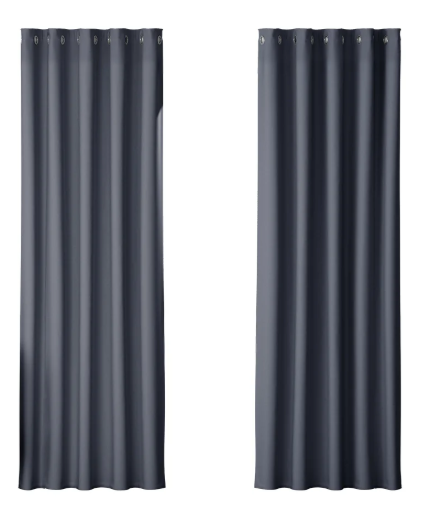
The larger sibling of the smaller Artiss curtain above, sized for a wide window, a sliding door or a room where the smaller drop simply won’t reach the floor. Same eyelet heading, same brand, same general construction – the only real difference buyers need to weigh is whether their actual window needs this much fabric.
213cm drop suits a higher-ceilinged room comfortably, and the extra width (180cm per panel) means a pair properly covers a wide opening without stretching thin or leaving a gap down the middle when drawn. That extra fabric also means extra weight on the eyelet rings and the rod itself – a flimsy tension rod that holds the smaller curtain fine can sag under this one.
Pros
- Covers a wide window or sliding door without a gap down the middle when drawn
- 213cm drop suits higher-ceilinged rooms the smaller size falls short in
- Same recognisable Artiss build quality as the smaller size above
Cons
- Extra fabric weight needs a properly rated rod, not a flimsy tension rod
- Overkill and needlessly expensive for a truly small or standard window
- Same laminated backing wear pattern as the smaller size over time
Key specs: 180x213cm per panel, pair, eyelet heading
CHECK CURRENT PRICE3. Blackout Zebra Roller Blind – Best Roller Blind
Instead of hanging in folds, this sits flush against the window frame as a zebra-style blind – alternating sheer and blockout fabric bands that shift between filtered light and full blackout depending on how the bands are aligned. That flexibility is the real selling point over a plain roller blind: dial in exactly how much light gets through instead of an all-or-nothing choice.
Fitting inside or in front of the window recess rather than needing wall space either side makes this a real improvement for a small bedroom where curtain fabric would eat into the room (about the depth of a standard windowsill, not the whole wall), and it suits a rental just as well since most brackets fit with a simple screw-in or tension mount. No fabric fold to dust, either. The trade-off against a full curtain is coverage at the very edges – a roller blind mounted inside a recess can still leak a thin sliver of light down each side that a floor-to-wall curtain wouldn’t.
Pros
- Dual sheer-and-blockout bands adjust between filtered light and full blackout
- Sits inside the window frame, using no extra wall space either side
- Suits a rental with simple mounting instead of a full curtain rod installation
Cons
- Can still leak a thin strip of light down the sides if mounted inside a recess
- No fabric fold or drape – a functional look, not a styled, finished one
- 150x210cm covers one standard window; wider openings need a second unit
Key specs: 150x210cm, dual sheer-and-blockout fabric bands, blackout backing
CHECK CURRENT PRICE4. 100% Blackout Portable DIY Window Cover – Best No-Drill Option
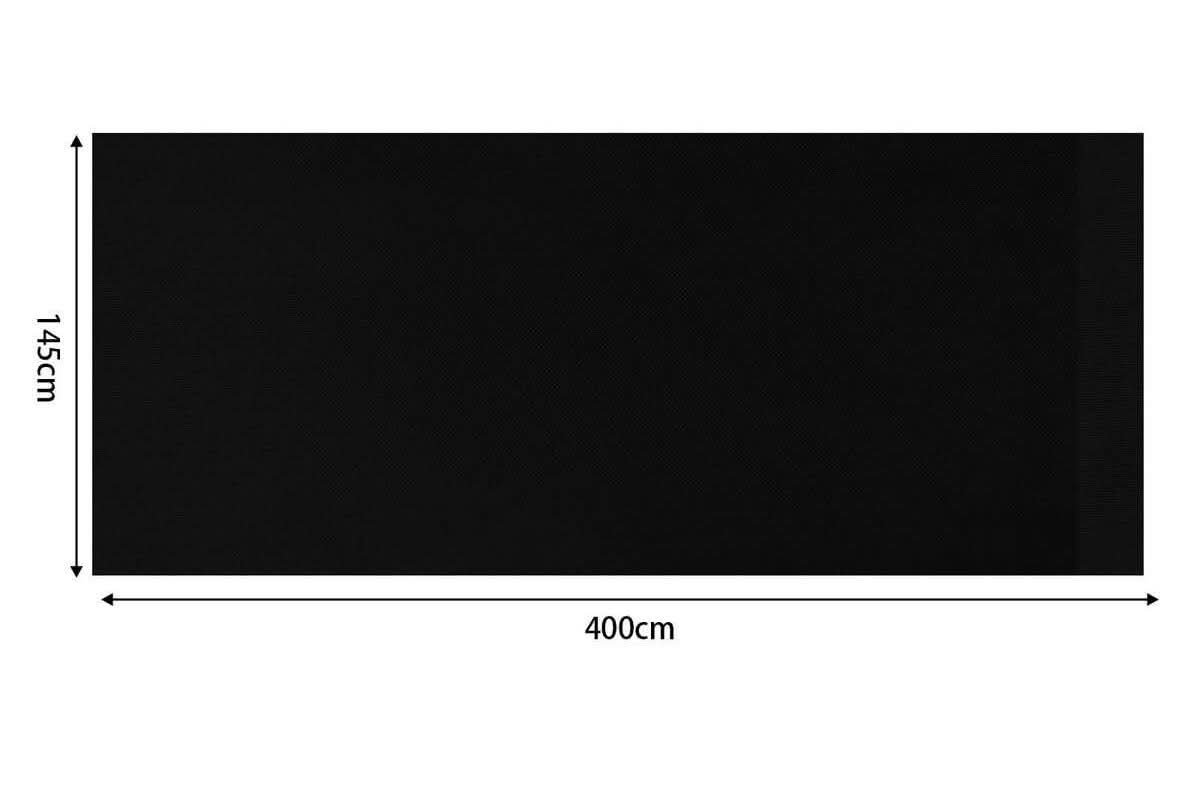
This skips curtains and rods entirely – a cuttable blockout fabric sheet that sticks or clings directly to the window glass or frame, sized generously at 400x145cm so it can be trimmed down to fit almost any window instead of needing an exact size match from the start. It’s also the cheapest way into blackout coverage in this guide. For a rental inspection-proof setup or a share house where drilling a rod bracket isn’t an option, this is the most direct fix in the whole lineup.
Being properly portable means it comes down just as easily as it goes up – useful for a share house move, a caravan trip, or a nursery that needs to travel. It looks exactly like what it is, though: a functional blackout sheet, not a styled window treatment, and repeated removal and reapplication wears out the cling or adhesive faster than a curtain on a fixed rod ever experiences.
Pros
- No drilling, rod or bracket required at all
- Cuttable to size, so one product fits a wide range of window dimensions
- Properly portable for renters, share houses, caravans and temporary setups
Cons
- Looks like a functional cover, not a styled curtain
- Repeated removal wears out the cling or adhesive faster than a fixed curtain rod
- Best suited to a single window per sheet – covering multiple windows means buying more
Key specs: 400x145cm, cuttable to size, static-cling or suction fit, no drilling
CHECK CURRENT PRICEHow to Choose Blackout Curtains in Australia
Measure for coverage, not just for the window opening. Bought a curtain that matched the glass exactly and wondered why light still crept in down both sides? The Australian Government’s own energy guidance recommends curtains that reach the floor and wrap to the wall on either side of the window (see energy.gov.au’s window-coverings guide) – buy for the wall space either side of the frame, not just the glass itself, or light leaks around every edge regardless of how dense the fabric is.
Understand what you’re actually paying for in the fabric. A separate foam or acrylic blockout backing blocks more light per millimetre of thickness than a dense weave alone, but it’s also the part that fails first – ProductReview.com.au buyers have flagged the blockout backing on some budget curtains turning chalky and shedding a white residue after a year of direct sun, well short of what a reasonable buyer would expect.
Match the style to whether you own or rent. Eyelet curtains need a rod and wall brackets, a genuine commitment in a rental. A no-drill portable cover or a tension-mounted roller blind avoids putting a single hole in the wall, at the cost of looking less like a finished, styled room and more like a functional fix.
Think about heat, not just light. Up to 40% of a home’s heating energy escapes through bare or poorly covered windows over an Australian winter, and the same close-fitting blockout fabric that keeps a bedroom dark in summer also cuts that loss – open the curtains during the day in winter to let the sun in, then close them again once it sets. That’s real money saved at 30-plus cents per kilowatt hour on most AU electricity plans, and it matters more in an older weatherboard or brick veneer place with single-glazed windows than in a newer, better-sealed build.
Don’t ignore colour and thickness together. A dark, densely woven fabric blocks more light on its own than a thin pastel one, even before any blockout backing is factored in. If a truly black room matters more to you than the colour scheme, a darker heavyweight curtain earns its keep even without a laminated backing at all.
Check what’s actually holding the curtain up. Eyelet rings put real, concentrated weight on a handful of points along the rod, which matters more on a wider or heavier curtain than the packaging suggests. A rod rated for the actual weight of the fabric, not just the width of the window, is worth checking before anything goes up. Sagging rods aren’t a good look. A basic rod off the shelf at Bunnings is rated for far less than a full pair of the larger eyelet curtains above.
You’ll Also Want
A curtain is only as good as what it hangs from – a no-drill, adjustable curtain rod is worth considering for a rental where putting holes in the wall isn’t an option at all.
A properly dark room only helps if you still wake up on time – our guide to the best sunrise alarm clocks in Australia covers waking up gently in a bedroom now dark enough that the sun itself won’t do it for you.
Since a close-fitting blockout curtain also helps regulate room temperature, our guide to the best doonas and quilts in Australia rounds out the rest of an actually comfortable sleep setup.
Frequently Asked Questions
Do blackout curtains actually block 100% of light?
Close to it, but rarely completely – light still leaks around the edges and top of any hanging curtain unless it’s fitted floor-to-wall with minimal gap. A properly made blockout fabric blocks the vast majority of light coming through the fabric itself; the remaining light almost always comes in around the sides, which is why sizing generously for the wall space either side of the window matters as much as the fabric quality.
What’s the difference between blockout and thermal curtains?
Blockout curtains are built primarily to stop light, using a dense weave or a laminated foam or acrylic backing. Thermal curtains are built primarily to reduce heat transfer through the window, often using a similar dense construction. In practice the two overlap heavily – a well-made blockout curtain also cuts a meaningful amount of heat loss and gain, since the same tightly woven fabric that stops light also slows air movement near the glass.
Why did my blockout curtains stop working after a year?
The most common cause is the blockout backing itself degrading under UV exposure – a laminated foam or acrylic layer can turn chalky and start shedding a white residue after a year or so of direct sun, a failure pattern buyers have specifically flagged on some budget curtains via ProductReview.com.au. A denser woven fabric without a separate backing layer tends to hold up longer, even if it blocks slightly less light when new.
Can I use blackout curtains without drilling holes in a rental?
Yes – tension rods that wedge into the window recess, adhesive or hook-based curtain rod brackets, and no-drill portable blockout covers that clip or stick directly to the window frame all avoid permanent wall fixings. None look quite as finished as a properly mounted rod and bracket set, but all actually deliver on the light-blocking side.
Do blackout curtains help with energy bills in Australia?
Yes, meaningfully – the Australian Government’s own energy guidance puts window losses at up to 40% of a home’s heating energy in winter, and a close-fitting blockout curtain that wraps to the wall reduces that loss the same way it blocks light. Open them during sunny winter days to let free heat in, then close them again as the temperature drops in the evening.
Verdict
For most bedrooms, a properly sized eyelet blockout curtain in the largest size that suits the window is the safest choice – buy generously for the wall space either side of the frame rather than just the glass, since that’s where light actually leaks in. Renters after a no-holes option get a properly dark room from the portable DIY cover without touching the wall at all, and the roller blind suits a window where floor-length fabric simply isn’t practical.