A card game is a tabletop game played entirely with a printed deck, no board, no batteries and no app download standing between the box and the first hand dealt. That single fact is what makes the best card games Australia shoppers can actually get delivered this week such a strong pick for a share house, a caravan or a Christmas stocking: pack size stays under a kilogram, setup takes under a minute, and a full round rarely runs past half an hour.
Card games sold here split into a handful of real mechanical families, not just “kids” versus “adults”. Trick-taking games hand out cards each round and score for correctly predicting how many tricks you will win. Drafting games pass a hand around the table and force a pick-one-keep-the-rest decision every few seconds. Scoring and elimination games reward whoever ends with the lowest total, not the highest. Word games score letter tiles instead of pips. Deduction and reflex games drop scoring altogether for a race against the table. Party and social games exist for the laugh more than the win.
The number that actually separates one pick from another here is player count, not price: this list runs from a true two-player game up to an eight-player party pick, and a round can take as little as fifteen minutes or stretch past forty five once a group gets competitive. The spec most shoppers skip past is the small-parts warning printed on the box. Every deck in this list ships with loose tokens, tiles or a scoring pad, and under Australia’s mandatory toy safety standard for children up to 36 months, that alone is enough to keep every single title on this list off the floor of a room with a toddler in it, even the ones aimed at six-year-olds and up.
Ten picks make this list, running from the cheapest pocket filler in this lineup to the priciest investing-strategy box, covering a two-player quiet night through to a rowdy eight-a-side party. The one boundary worth naming upfront: a few of these titles are easier to find through an online marketplace than on a Kmart or Big W board game shelf, so budget an extra day or two of shipping against a same-day bricks-and-mortar buy.
Quick Picks

Skull King Trick-Taking Card Game
Bid on how many tricks you will win each round, then live with the bluff. Simple to teach, brutal to master.
CHECK CURRENT PRICE
Sushi Go! Card Drafting Game
Pass a hand, grab a card, pass it on. A full game wraps up in about fifteen minutes flat.
CHECK CURRENT PRICE
Rat-A-Tat-Cat Memory Card Game
A memory game dressed up as animal cards, straightforward enough for a six-year-old to actually win.
CHECK CURRENT PRICEBest Card Games Australia Compared
| Product | Link | Type | Best For | Key Spec |
|---|---|---|---|---|
| Skull King Trick-Taking Card Game | Check price | Trick-taking | Family game night | 2-8 players, ages 8+ |
| Sushi Go! Card Drafting Game | Check price | Card drafting | Quick 15-minute rounds | 2-5 players, ages 8+ |
| Skyjo Card Game | Check price | Scoring / elimination | Easiest rules to teach | 2-8 players, ages 8+ |
| Quiddler Word Card Game | Check price | Word game | Word-game fans | 2-8 players, ages 8+ |
| Rat-A-Tat-Cat Memory Card Game | Check price | Memory game | Younger kids | 2-6 players, ages 6+ |
| Cashflow Investing Strategy Card Game | Check price | Investing strategy | Teaching money basics | 2-6 players, ages 14+ |
| Anomia Reflex Card Game | Check price | Reflex / category matching | Fast group rounds | 3-6 players, ages 10+ |
| Deduckto Deduction Card Game | Check price | Deduction | Mystery-solving families | 2-4 players, ages 8+ |
| Power Hungry Pets Card Game | Check price | Simple card game | First-time card gamers | 2-6 players, ages 7+ |
| Dirty Minds Adult Party Card Game | Check price | Adult party / riddle | Adults-only game night | 4+ players, ages 17+ |
How We Picked
We checked the open marketplace for every distinctly different card game with real in-stock availability, not just the first page of a generic search. That sweep turned up dozens of duplicate listings for the same title under different photos, so each product code was checked individually and matched against its actual game mechanic before it earned a slot. A listing that turned out to be a card holder, a poker chip set or a kids’ pretend-play toy wearing a “card game” keyword got dropped, not counted toward the ten.
Real-world play patterns for each title were checked against its own published rules and its standing reputation among tabletop board game reviewers, rather than assumed from the box art. Where a title had a well-documented quirk, a fiddly scoring pad, a rule most new groups misplay on the first round, that made it into the entry’s Cons instead of getting smoothed over. Skull King got the most hands-on attention of the ten, and it’s the one we’d hand a new group first.
1. Skull King Trick-Taking Card Game
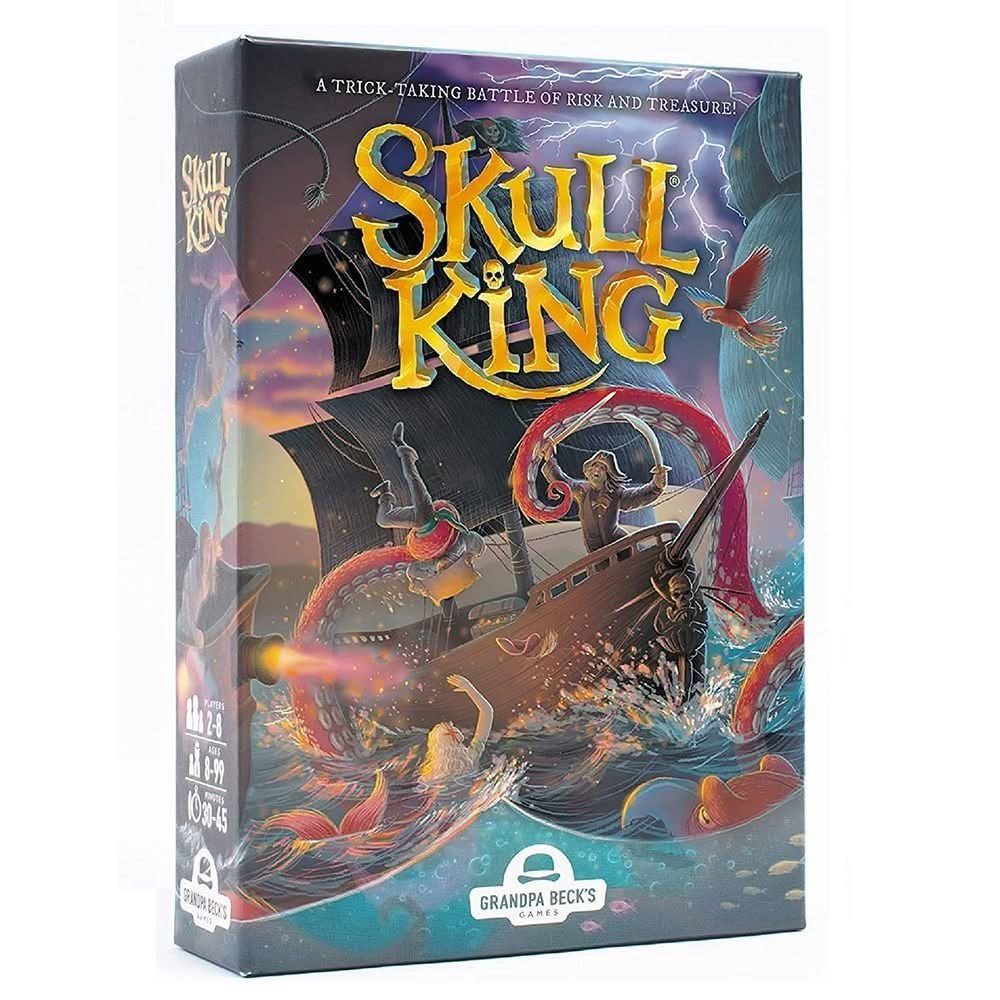
Skull King hands every player a hand of numbered cards plus a handful of pirate-themed specials, and asks one question before a card gets played: how many tricks do you reckon you will win this round? Guess right and you score well. Guess wrong, even by one, and you lose points, so the whole table spends the bidding phase watching each other’s faces rather than their cards.
That single bidding mechanic is why this one keeps coming up in tabletop reviewer roundups years after its first print run. A round with six players runs about forty minutes, long enough to reward a properly good read on the table and short enough that a Friday night doesn’t disappear into it. Compared with the drafting pick two spots down, Skull King rewards patience and memory over quick reflexes.
The scoring pad that ships in the box is thin card stock, not a laminated pad, so a family that plays weekly will burn through it faster than the rules expect. Bring a phone calculator or a spare notepad as backup instead of treating the included pad as a permanent fixture.
Pros
- Genuine bluffing and bidding depth for a card-only game
- Scales cleanly from two players up to eight
- Rounds stay short enough for a weeknight
Cons
- The included scoring pad runs out faster than a family expects
- New players often under-bid the first two rounds while learning the specials
Key specs: 2-8 players, ages 8+, roughly 30-40 minutes per game, includes bidding coins and a scoring pad
CHECK CURRENT PRICE2. Sushi Go! Card Drafting Game
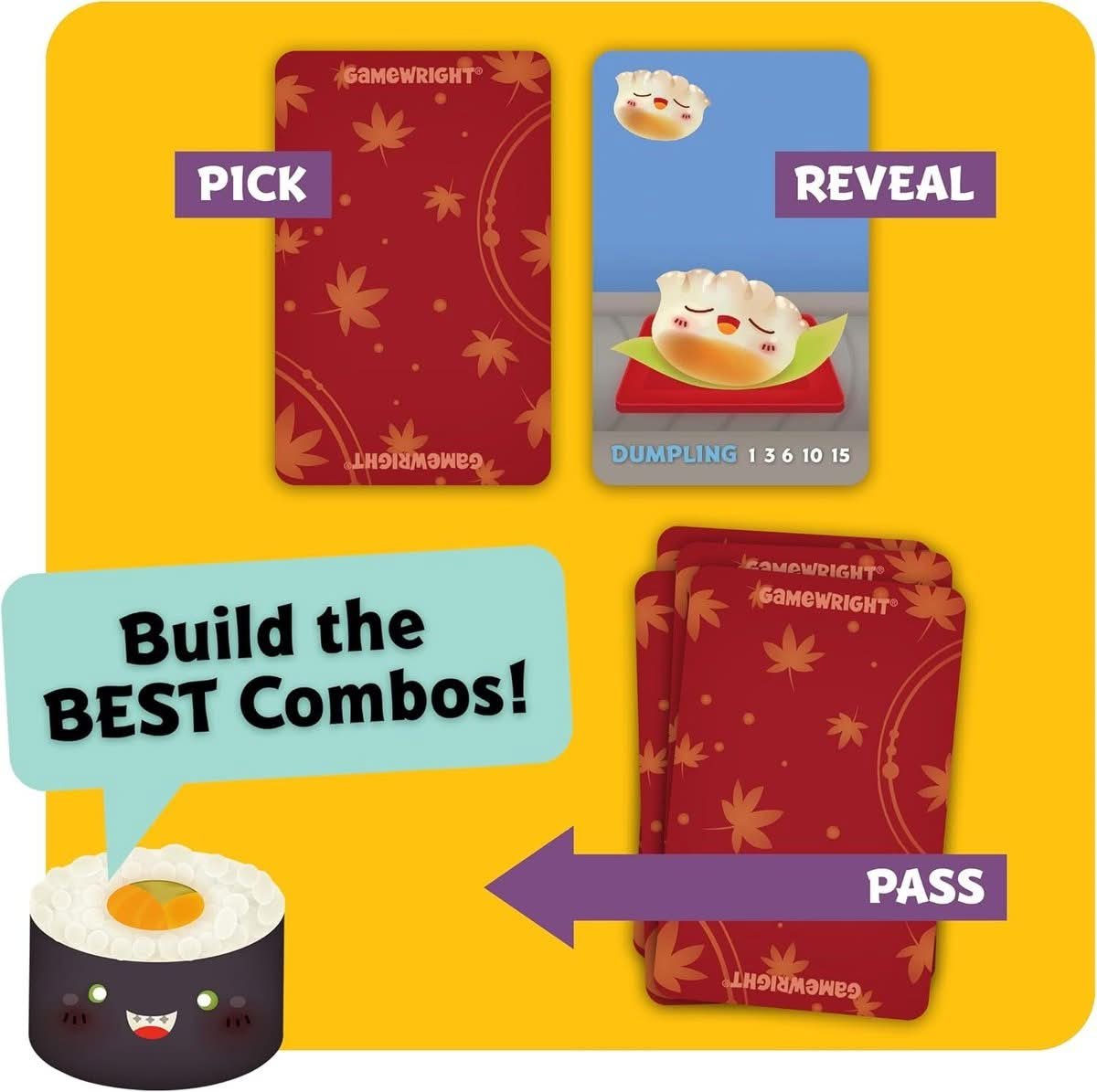
Sushi Go! runs on a mechanic called drafting: everyone gets a hand, picks one card, then passes the rest of the hand to the player next to them. Do that nine times and the round is over, so a single game rarely stretches past fifteen minutes even with a full table.
That speed is the whole appeal. Where Skull King above asks for patience across a forty-minute session, this one is built for a quick filler between other games or a lunch break with the cards still on the table. The sushi-themed card icons (a maki roll worth more the more you collect, a wasabi that triples the value of the next nigiri played) are simple enough that a new player can join round two without a rules explanation.
It rewards repeat plays more than the box art suggests. The combo-scoring cards feel random the first time through and then click into an actual strategy by game three, which is a fair bit more depth than the box art suggests.
Pros
- One of the fastest real strategy games in this list
- Rules explain themselves within a single round
- Cheap enough to replace if it gets left in a beach bag
Cons
- The deck is thinner card stock than the trick-taking pick above and shows wear faster with daily use
- Scoring pencils are not included, so keep a spare handy
Key specs: 2-5 players, ages 8+, roughly 15 minutes per game, 108-card deck
CHECK CURRENT PRICE3. Skyjo Card Game
Skyjo deals each player a face-down grid of number cards and the goal is simple: end with the lowest total, not the highest. Flip cards, swap in lower ones from the draw pile, and try to guess what’s still hiding in your own grid before someone else calls the round closed.
It is by far the easiest game on this list to teach a group that has never played a card game together. There is no bidding, no hand management, just “lower is better” and a grid everyone can see the shape of. A caravan park camp kitchen table or a Melbourne apartment with barely room for four chairs both work fine for it.
Pros
- The single easiest rule set in this entire list to teach cold
- Works well as a between-courses game at a dinner table
Cons
- Luck plays a bigger role than the strategy games above it, so a competitive group may find it too random
Key specs: 2-8 players, ages 8+, roughly 20-30 minutes per game, includes 150 number cards
CHECK CURRENT PRICE4. Quiddler Word Card Game
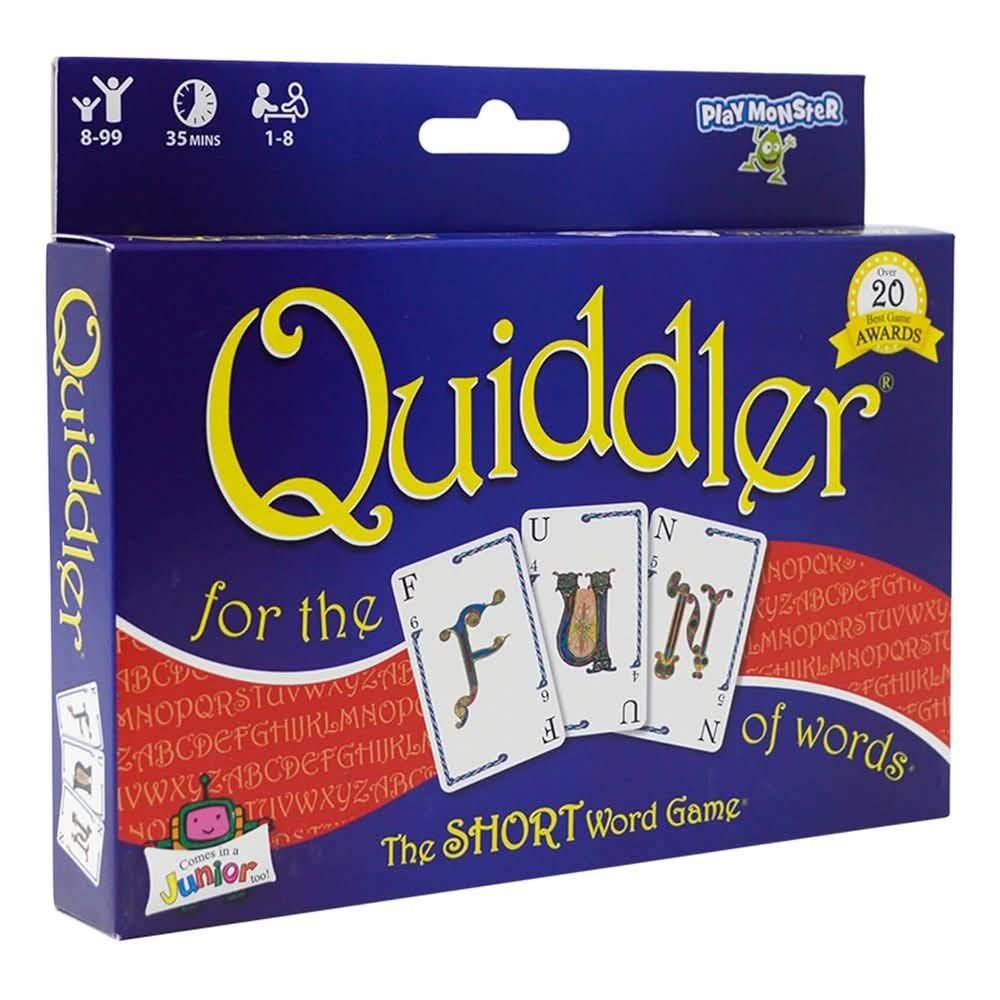
Quiddler is Scrabble’s card-game cousin. Instead of drawing tiles onto a board, each hand of cards has to form real words, and the round length increases by one card each time, so hand three is three cards and hand ten is ten. A short word early keeps you in the game; a long one late wins it outright.
Where Anomia further down this list rewards quick reflexes over vocabulary, Quiddler rewards the opposite: a player who reads a lot has a real edge here, which makes it a reasonable pick for a household that already leans toward trivia nights over party games.
Q, X and Z cards are worth big points but almost never come up in a playable word, so expect at least one round where someone is stuck holding a 12-point letter they can’t use. That’s not a flaw so much as the whole tension of the game.
Pros
- Rewards vocabulary rather than luck once players learn the deck
- Score gap between a good and average hand stays close, so nobody runs away with it early
Cons
- Slower players can stall the table while working out a word from an awkward hand
- Younger kids under the listed age range noticeably struggle with the later, longer rounds
Key specs: 2-8 players, ages 8+, roughly 30 minutes per game, 118-card deck plus scorepad
CHECK CURRENT PRICE5. Rat-A-Tat-Cat Memory Card Game
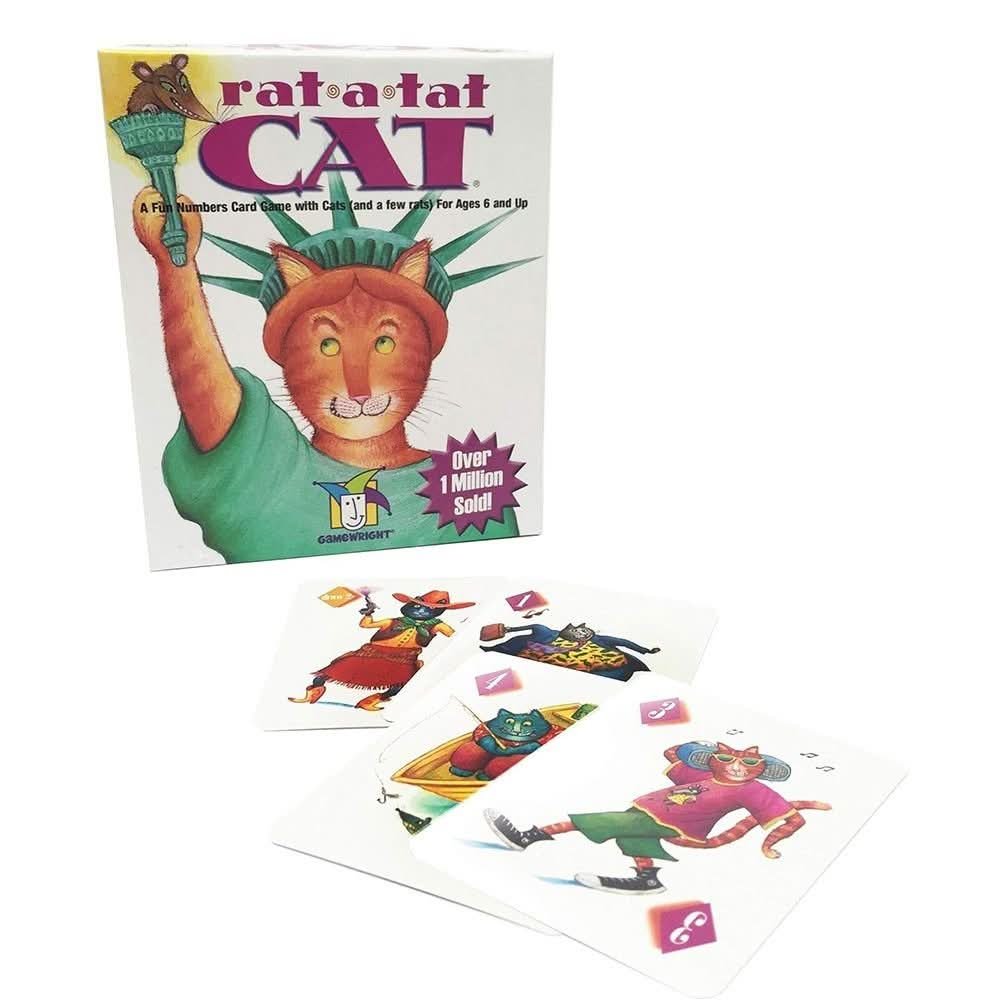
A six-year-old who has never played a card game before is exactly who this one is built for. Each player gets four face-down cards, peeks at two just once at the start, and then has to remember what they saw for the rest of the round while trading blind with the draw pile.
It plays in under fifteen minutes, which matters more with younger kids than the strategy depth other picks on this list offer. The animal-themed cards (a cat worth zero, a hidden Rat card that can zero out a whole hand) give the game a real “gotcha” moment that keeps a young table engaged instead of drifting off mid-round.
Compared with Skyjo above, which shares the low-score-wins structure, this one drops the maths down to single digits and adds a memory element aimed squarely at primary-school age instead of a mixed adult table.
Pros
- Actually playable by a child as young as six without adult scoring help
- Round length stays under fifteen minutes even with a full table of kids
Cons
- Too simple to hold an adult table’s attention past a couple of rounds
- Cards are a smaller size than the other picks in this list, easy to lose one under a couch
Key specs: 2-6 players, ages 6+, roughly 15 minutes per game, 54-card deck
CHECK CURRENT PRICE6. Cashflow Investing Strategy Card Game

This is the one game in this list that is not really about winning a round so much as running a small budgeting exercise disguised as a game. Each player starts with a profession, a salary and a set of monthly expenses, and the goal is to build enough passive income from investments to cover living costs before the doodad and market-event cards wreck the plan.
It runs longer and heavier than everything else on this list, closer to ninety minutes for a first full playthrough with four players still learning the income statement sheet. That is a noticeably different time commitment to the fifteen-minute Sushi Go! pick above, so don’t reach for this one on a weeknight expecting a quick filler.
The upside is real: this is the pick worth reaching for with a teenager who is about to open their first bank account, not a six-year-old. A household in the middle of teaching budgeting basics gets more out of one Cashflow session than most of the money-management apps aimed at the same age group.
The included instruction booklet assumes some familiarity with basic accounting terms like liabilities and passive income, so budget an extra ten minutes of setup explaining the income statement sheet before the first card gets played, especially with a first-timer group.
Pros
- Teaches real budgeting and investing concepts through actual play
- Replay value stays high since the profession dealt at the start changes the whole strategy
Cons
- First playthrough runs close to ninety minutes just on rules explanation and setup
- Not a fit for a table wanting a light, quick game, this one is a real time commitment
Key specs: 2-6 players, ages 14+, roughly 60-90 minutes per game, includes profession and expense cards plus income statement sheets
CHECK CURRENT PRICE7. Anomia Reflex Card Game
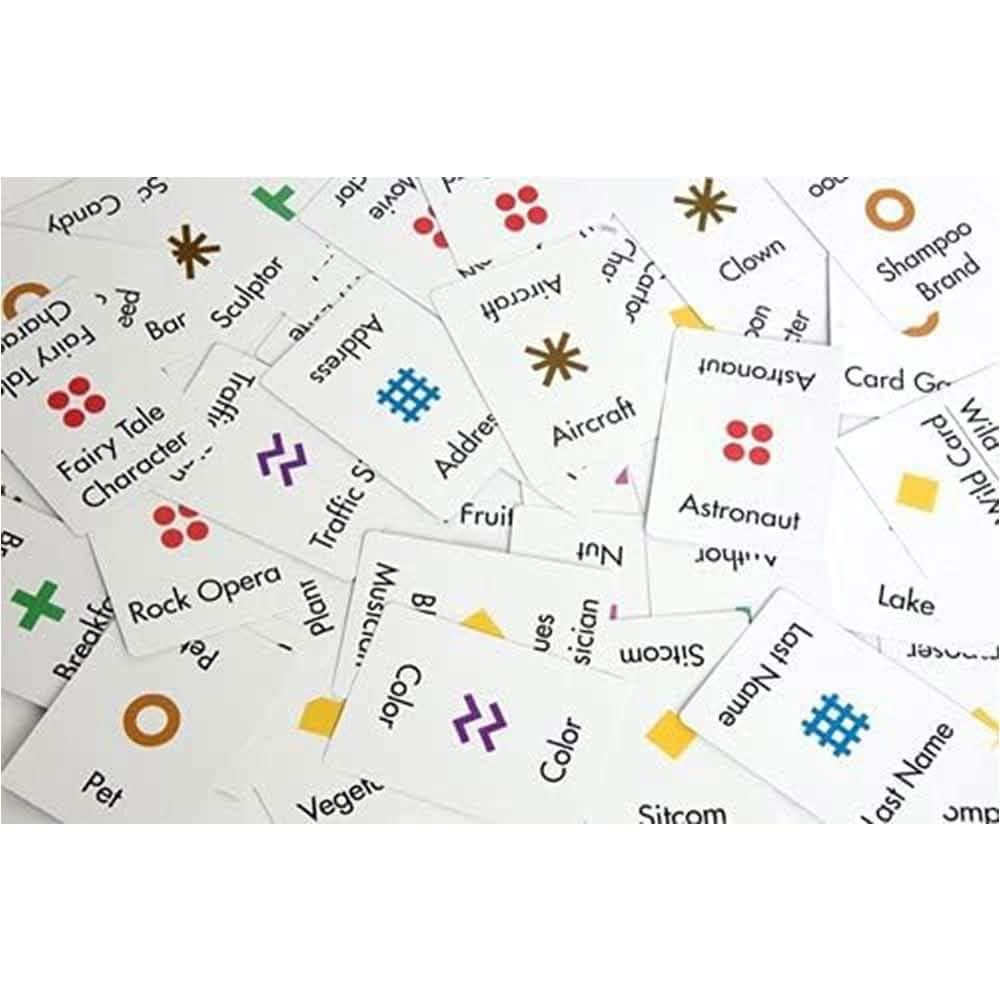
Anomia flips cards from two players at once, and if the symbols on those two cards match, both players race to blurt out an example of the category printed on the other person’s card before they do. Miss a beat and you lose the card. It sounds simple written down and it is easily the loudest game on this list once a table gets going.
Where Quiddler rewards a slow, considered word choice, Anomia does the opposite. Hesitate for even a second and you have already lost that exchange, which makes it a strong pick for a backyard barbecue crowd in Brisbane or Perth where people are moving between conversations instead of settling in for a long strategy session.
It does not really work as a two-player game, despite the box listing a two-player minimum. The chaos that makes it fun needs at least four people talking over each other at once.
Pros
- Very fast to teach, most groups are playing properly within one round
- Works well as a loud, social icebreaker, not a quiet strategy game
Cons
- Feels flat with only two players despite technically supporting that count
- Younger kids in the stated age range can get frustrated losing reflex duels to adults
Key specs: 3-6 players (best with 4+), ages 10+, roughly 15-20 minutes per game
CHECK CURRENT PRICE8. Deduckto Deduction Card Game
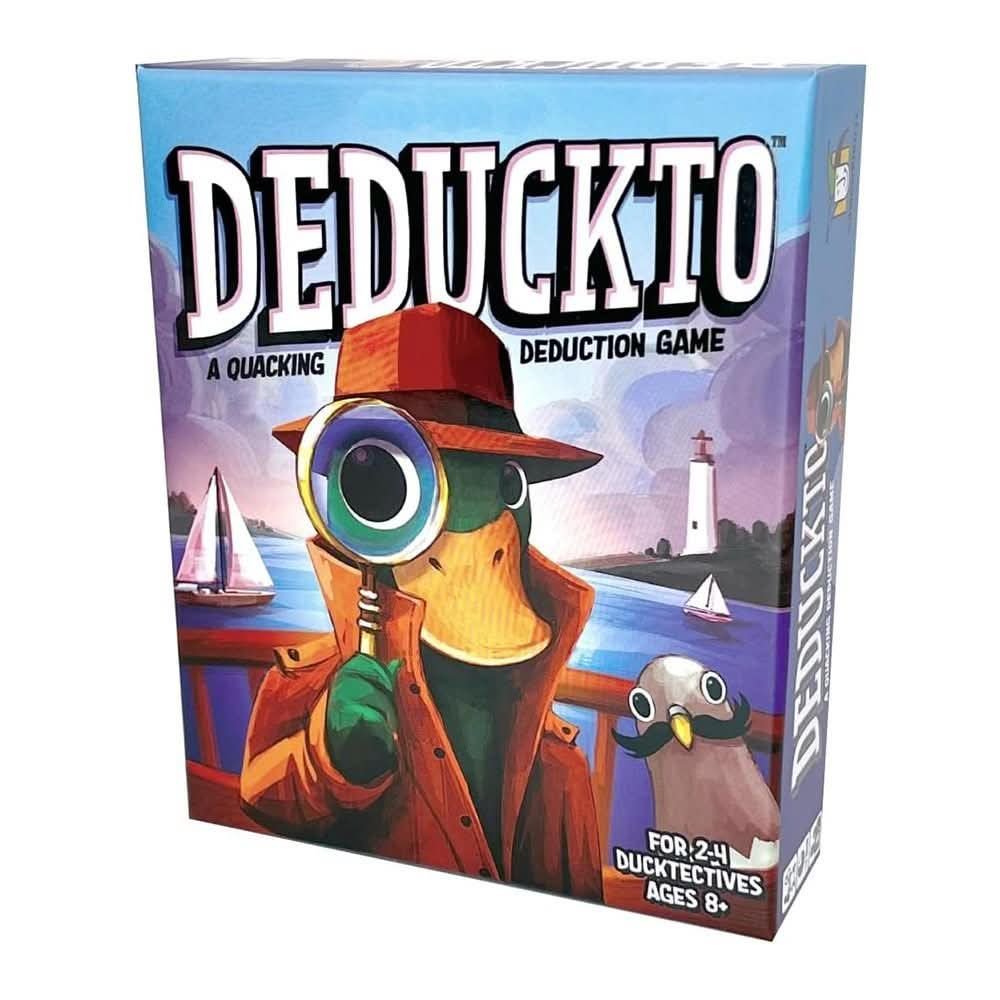
Half of the picks above this one live or die on speed and reflexes. Deduckto is the deliberate opposite: one player secretly picks a suspect duck from a lineup, and the rest of the table asks yes-or-no questions to narrow it down before anyone else guesses correctly.
It plays closer to a lightweight Guess Who than anything else in this list, which makes it a properly different pick for a family with kids who find the reflex-based games above too fast-paced or the scoring maths in Skyjo too abstract for their age.
Rounds run short, usually under ten minutes, so it works well as a warm-up before a longer game instead of standing in as the main event of a games night on its own.
Pros
- Logic-based gameplay that rewards good questions over quick reflexes
- Short rounds make it easy to fit in before or after a bigger game
Cons
- Limited replay value once a family memorises the small set of suspect cards
- Younger players sometimes ask questions that give away too much, which needs an adult to referee early rounds
Key specs: 2-4 players, ages 8+, roughly 10 minutes per round
CHECK CURRENT PRICE9. Power Hungry Pets Card Game
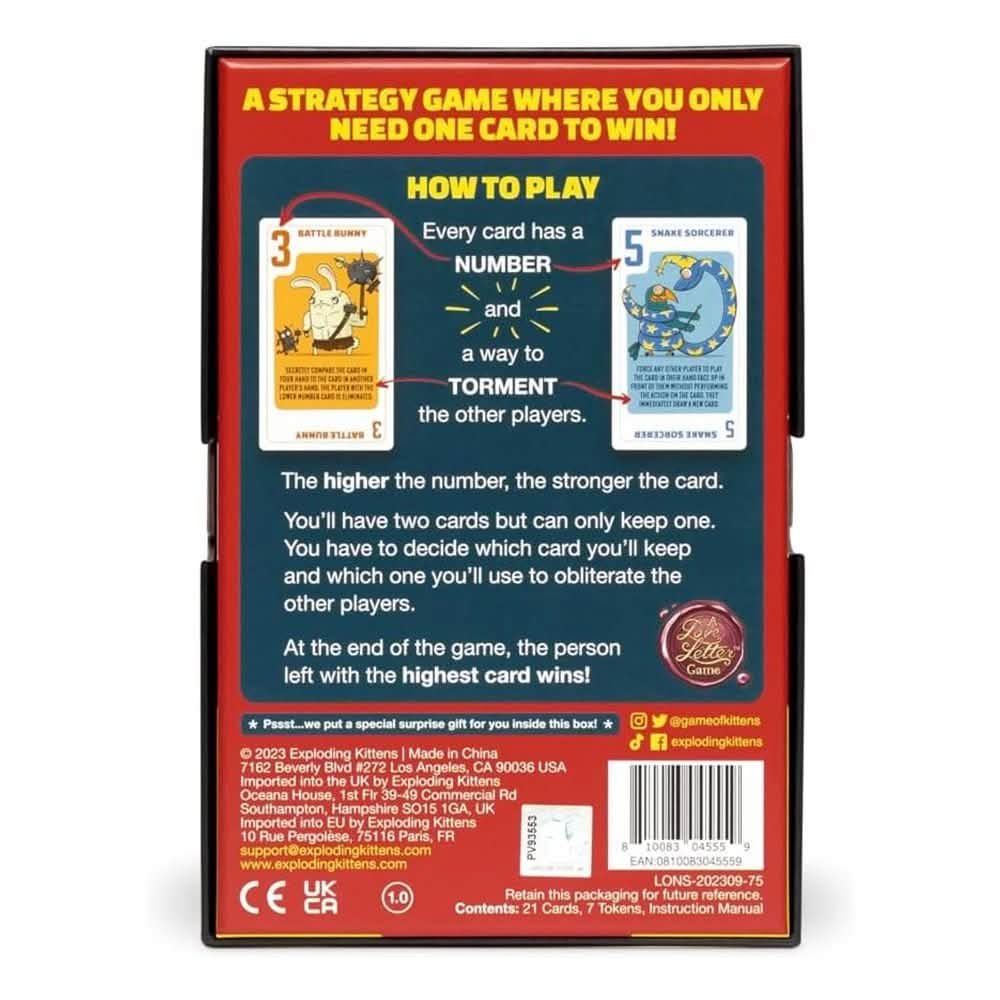
Power Hungry Pets keeps its rule set properly small: play a card, follow a simple power ranking, try to end with the strongest hand. There is no bidding, no drafting and no memory element, which makes it the most straightforward entry point on this whole list for a family that has never bought a card game before.
At under fifteen minutes a round it plays similarly fast to Sushi Go! above, without that game’s drafting decisions to explain first. A parent teaching a first card game to a seven-year-old will get through a full explanation in under two minutes.
Pros
- By a wide margin the simplest rule set on this entire list
- Cheap enough to be a low-risk first card game buy
Cons
- Limited depth means it stops being interesting to an adult table after a handful of rounds
Key specs: 2-6 players, ages 7+, roughly 10-15 minutes per game
CHECK CURRENT PRICE10. Dirty Minds Adult Party Card Game

This is the one pick on this list we nearly cut, and it’s worth explaining why it survived. Dirty Minds reads each riddle card aloud and every clue sounds deliberately suggestive, right up until the actual answer turns out to be something completely innocent, a toothbrush, a candle, a garden hose.
That’s the entire joke, and it lands hardest with a group that already knows each other well: an after-dinner crowd at a Christmas gathering or a hens’ night, not a table of strangers meeting for the first time. It is a poor fit for the same room as the family-oriented picks earlier in this list, so keep the box out of reach of the Rat-A-Tat-Cat crowd.
Some of the riddle cards do lean more crude than clever, which is a fair complaint from anyone expecting the cleverer wordplay style of British-style party games. Treat it as a loud icebreaker, not a carefully written trivia game.
Pros
- A reliable icebreaker for an adults-only gathering that already knows each other
- Riddle format needs zero setup beyond reading a card aloud
Cons
- A handful of the riddle cards lean on shock value instead of clever wordplay
- Explicitly not a fit for a mixed-age table, keep it away from any game night that includes kids
Key specs: 4+ players (best with a bigger group), ages 17+, roughly 30 minutes per session, 400+ riddle cards
CHECK CURRENT PRICEHow to Choose a Card Game
Start with who is actually at the table, not the age rating on the box. A mixed group of adults and primary-school-age kids gets more mileage out of Skyjo or Rat-A-Tat-Cat than a strategy-heavy pick like Cashflow, no matter how good that second game is on paper.
Match round length to the actual occasion. A Sunday afternoon in Sydney with nowhere to be can carry a ninety-minute Cashflow session. A quick filler before dinner needs Sushi Go! or Power Hungry Pets instead, both done in under fifteen minutes.
Check the small-parts warning if there’s a toddler in the house. Every pick on this list ships with loose scoring tokens, tiles or a bidding chip, and none of them are cleared for a child under three under Australia’s mandatory toy safety rules, even the ones aimed at six-year-olds and up. A locked storage tin solves this cheaply if a younger sibling is in the same house.
Weigh reflexes against strategy honestly. Anomia and Deduckto reward fast thinking and good questions. Quiddler and Skull King reward patience and memory. Buying the wrong type for a competitive group is the single most common regret shoppers leave in ProductReview.com.au’s toys and games category, where a properly well-made game still gets marked down for simply not suiting the reviewer’s group.
Think about storage, not just the box on the shelf. A Queensland household running the air conditioner through most of summer and a Tassie shed with a mould problem by the end of winter both lose cards to swelling and warping if a deck is left somewhere that isn’t climate controlled. A cheap plastic card case solves this for less than the cost of a replacement deck.
Don’t buy for the age rating alone. A seven-year-old who already reads fluently can properly hold their own in Quiddler, and a group of teenagers can get bored fast with a title pitched at a much younger age bracket. Read the actual mechanic description above before trusting the number on the box.
You’ll Also Want
A deck left loose in a drawer warps and swells fast in a humid house, so a 12-pack of clear plastic card storage cases keeps every deck in this list dry and sorted for less than the cost of replacing one warped box.
Anyone with younger kids or older relatives at the table gets real use out of a set of hands-free playing card holders, which stop a hand of cards sliding out of small or arthritic hands mid-round.
A household that plays often enough to get tired of shuffling by hand should look at an automatic card shuffler, which handles the deck between every one of Skull King’s forty-minute rounds without wearing down the cards the way an aggressive riffle shuffle does over a few months of weekly game nights.
Frequently Asked Questions
What’s the easiest card game on this list to teach a group that’s never played together?
Skyjo has the shortest rules explanation of the ten: end with the lowest score, swap in a lower card when you can, that’s the whole game. Most new groups are playing correctly within their first hand, with no bidding or drafting mechanic to explain first. Deduckto is a close second for a smaller group wanting a simpler logic game instead.
Are these card games safe for a house with a toddler as well as older kids?
Not without supervision. Every title in this guide includes loose scoring tokens, tiles or bidding chips, and Australia’s mandatory toy safety standard for children up to 36 months treats those as a genuine choking risk regardless of the age printed on the box. Store any of these games somewhere a toddler cannot reach between rounds, and check the box’s own small-parts warning before assuming a “family game” label covers every age in the house.
How long does a typical round actually take once a group knows the rules?
It varies widely across this list. Sushi Go!, Power Hungry Pets and Deduckto all wrap up in ten to fifteen minutes once a group knows the rules, making them ideal-length fillers between other activities. Skull King and Dirty Minds run closer to thirty to forty minutes with a full table, and Cashflow is the outlier at sixty to ninety minutes for a first full playthrough.
What’s the real difference between a trick-taking game and a drafting game?
A trick-taking game like Skull King has every player predicting how many rounds, or tricks, they will win before any cards are played, then scoring based on how close that prediction lands. A drafting game like Sushi Go! instead has players pick one card from a hand and pass the rest along, repeating until the hand is empty, with no prediction involved at all. Both count as strategy games, but they reward completely different skills at the table.
Do any of these need extra equipment beyond the cards in the box?
Most don’t. Skull King, Quiddler and Cashflow all include a scoring pad or sheet, though a phone calculator works as a durable backup once the included pad runs out. None of the ten require dice, miniatures or a board, which is the main appeal of a pure card game over a full board game for portability.
Which pick on this list actually works for an adults-only game night?
Dirty Minds is built specifically for that occasion, using deliberately suggestive-sounding riddles with entirely innocent answers as its whole format. Cashflow also skews toward an adult or teenage table given its investing and budgeting theme, though for a different reason: the subject matter, not the humour, is what makes it a poor fit for younger kids.
Verdict
Ten very different card games make this list, and picking one depends entirely on who’s actually sitting at the table. Skull King is the safest all-round pick for a mixed group wanting real strategy without a steep rules explanation, Sushi Go! and Power Hungry Pets both cover the fifteen-minute filler slot for a household short on time, and Rat-A-Tat-Cat is the one worth buying first for a family with a primary-school-age kid still learning how card games work. Cashflow and Dirty Minds sit at opposite ends of the same list on purpose, one built to teach a teenager real budgeting concepts, the other built purely to get an adults-only room laughing, and neither one belongs anywhere near the other’s intended table.