Two things stop a mosquito or biting insect from landing: a chemical or natural compound it cannot tolerate on skin, or a physical barrier like an electric grid or UV trap that intercepts it before it gets close. Insect repellents cover both approaches, and the best insect repellents in Australia range from natural spray-on lotions through to rechargeable electric swatters and zappers for the yard.
Topical repellents are lotions or sprays applied directly to skin, using either a synthetic active like DEET or picaridin, or a natural formulation built around plant oils such as tea tree, citronella or lemon myrtle. Electric swatters are handheld, battery-powered rackets that kill insects on contact rather than repelling them. UV zappers and traps work passively, drawing insects toward a light or attractant and then either electrocuting or trapping them, suited to a patio or campsite rather than a body.
Protection time is the number worth checking on any topical repellent: natural formulations typically claim around 4 to 6 hours per application, against the 6 to 8 hours common on synthetic DEET-based products, so a natural repellent generally needs reapplying more often over a full day outdoors. Active ingredient, application format and whether it is rated for children are the other details that matter most when choosing between products.
An evening around the fire pit calls for something different to a week-long camping trip or a backyard overrun with mosquitoes after rain, and the six products below cover that range: four natural topical repellents in different formats and strengths, one electric swatter, and one portable zapper built for camping. If insects tend to show up once the sun goes down, our fire pit guide covers the outdoor heating side of the same evening.
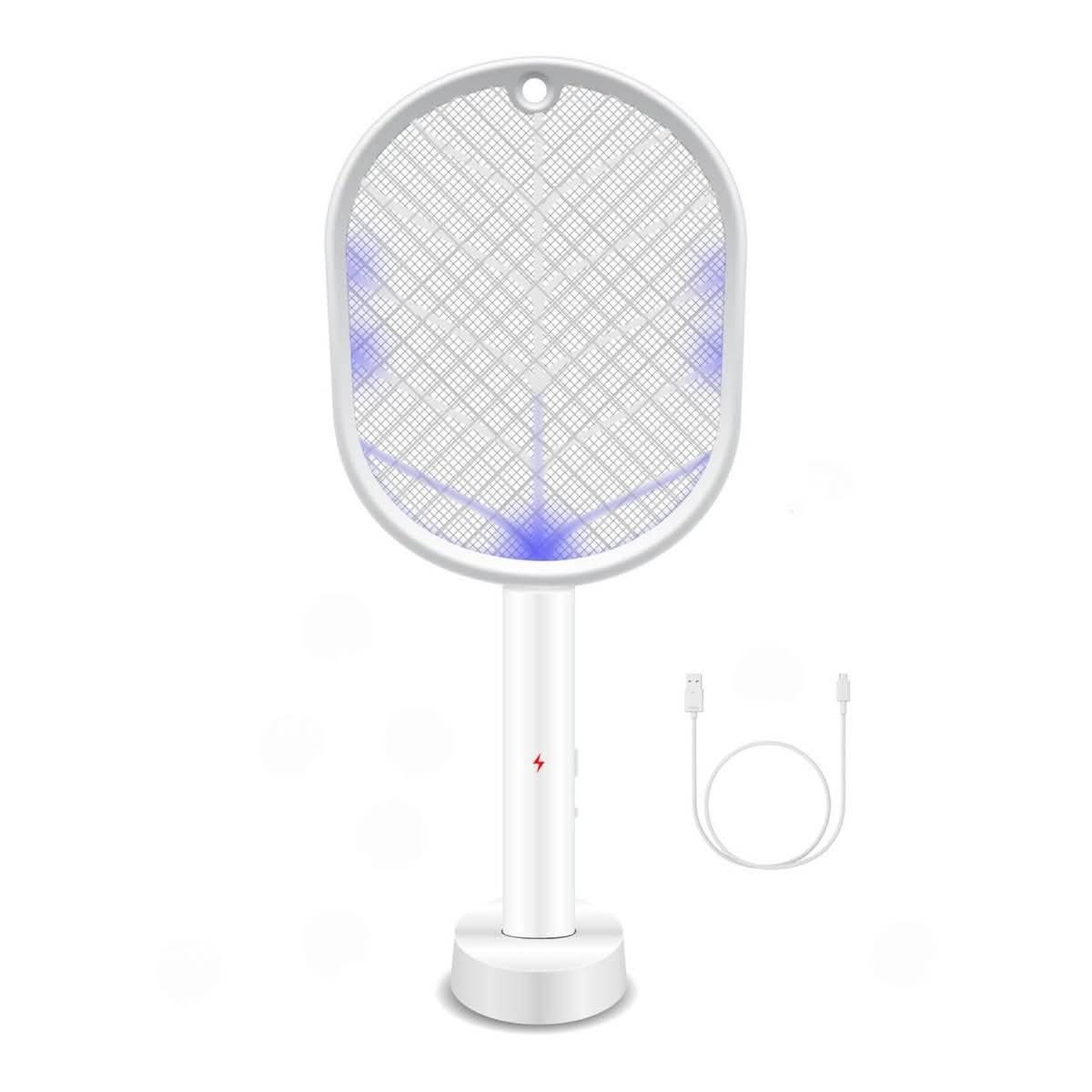
Tooleroo 2 in 1 Rechargeable Mosquito Swatter
A USB-rechargeable electric racket with a built-in torch, for killing insects on contact rather than repelling them.
CHECK CURRENT PRICE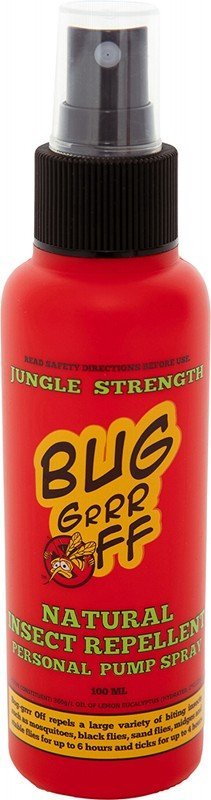
Bug-Grrr Off Jungle Strength 100ml
A plant-based pump spray formulated for heavier insect pressure than a standard-strength natural repellent.
CHECK CURRENT PRICE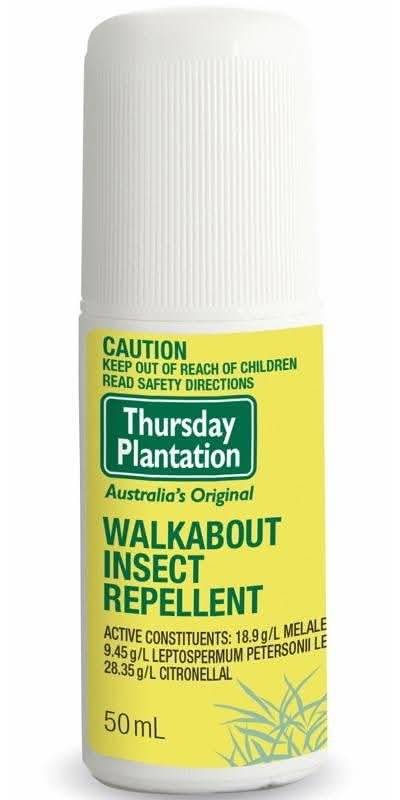
Thursday Plantation Walkabout Insect Repellent
A tea tree and citronellal blend from a long-running Australian brand, at the lowest price on this list.
CHECK CURRENT PRICEBest Insect Repellents Australia Compared
| Product | Link | Type | Best For | Key Spec |
|---|---|---|---|---|
| Tooleroo Rechargeable Mosquito Swatter | Check price | Electric swatter | Contact killing | USB rechargeable, LED torch |
| Bug-Grrr Off Jungle Strength | Check price | Topical spray | Heavy insect pressure | 100ml, plant-based actives |
| Fend Insect Repellent Lotion | Check price | Topical lotion | Controlled application | 100ml, amino acid derivative |
| Lemon Myrtle Fragrances Repellent | Check price | Topical spray | Natural fragrance | 125ml or 250ml, lemon myrtle oil |
| Walkabout Insect Repellent | Check price | Topical spray | Budget pick | 50ml, tea tree and citronellal |
| Rechargeable Mosquito Zapper | Check price | UV zapper | Portable camping pick | USB rechargeable, UV LED |
1. Tooleroo 2 in 1 Mosquito Swatter – Best Electronic Swatter
A handheld electric racket rather than anything applied to skin, this kills mosquitoes and flies on contact through a charged mesh grid, and the 2 in 1 design adds a built-in LED torch for spotting insects in low light.
It recharges via USB rather than running on disposable batteries, and the mesh grid folds away to protect it when not in use. It has no protection time or reapplication schedule to track, since it only acts when an insect actually makes contact.
This suits someone dealing with an active mosquito problem indoors or on a covered patio rather than protecting skin while out walking or camping. Pair it with one of the topical repellents below for all-round coverage rather than relying on it alone outdoors, since it only stops the insects it actually swats.
Pros
- Kills on contact, no reapplication needed
- USB rechargeable with a built-in LED torch
- No chemicals or skin application involved
Cons
- Only effective against insects within swatting range
- Does not prevent bites while moving around outdoors
Key specs: USB rechargeable, electric mesh grid, built-in LED torch
CHECK CURRENT PRICE2. Bug-Grrr Off Jungle Strengt – Best Jungle Strength Formula
Jungle Strength is the top end of the Bug-Grrr Off natural range, formulated for the insects a standard-strength spray struggles with, and it comes in a 100ml pump spray bottle rather than an aerosol can.
The active ingredients are plant-based rather than DEET, and the label claims protection against mosquitoes, sand flies and other biting insects, though exact protection time varies by activity level and how much you sweat. It sits mid-range on this list for price.
Anyone heading somewhere genuinely insect-heavy, tropical Queensland, a river camping trip, or dusk fishing, gets more out of this than the standard-strength natural sprays elsewhere on this list. For everyday backyard use where insect pressure is lower, the cheaper Walkabout spray below covers the same natural-ingredient approach at a lower cost.
Pros
- Formulated for heavier insect pressure than standard natural sprays
- Pump spray rather than aerosol
- Plant-based active ingredients
Cons
- Costs more than the standard-strength natural options on this list
- Natural formulations generally need more frequent reapplication than DEET
Key specs: 100ml pump spray, plant-based actives, jungle strength formula
CHECK CURRENT PRICE3. Fend Insect Repellent Lotion – Best Lotion Format
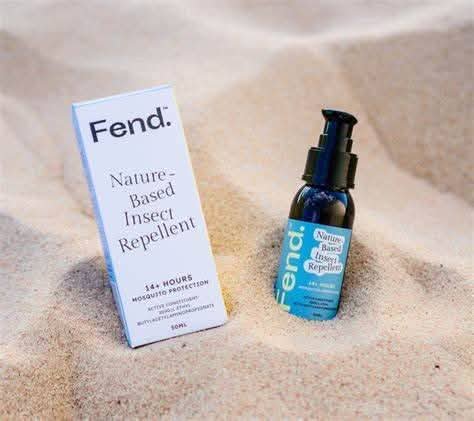
A lotion rather than a spray is the main difference here, using an amino acid derivative that occurs naturally in the cucumber tree as its active ingredient rather than tea tree or citronella oil.
The lotion format means it rubs in rather than misting into the air, which some users prefer around the face or for applying to children under supervision, though check the label for age-specific guidance before use. It comes in a 100ml tube.
Choosing between this and the spray-based options above comes down to application preference: a lotion gives more control over exactly where it goes, while a spray covers a larger area faster. Someone applying repellent to a fidgety child is likely better served by the lotion’s more controlled application than a spray.
Pros
- Lotion format gives more controlled application than a spray
- Uses a plant-derived active ingredient rather than tea tree or citronella oil
- 100ml tube size
Cons
- Slower to apply over a large area than a spray
- Check label age guidance before applying to young children
Key specs: 100ml lotion, amino acid derivative active, tube format
CHECK CURRENT PRICE4. Lemon Myrtle Fragrances Natural Insect Repellent – Best Natural Fragrance
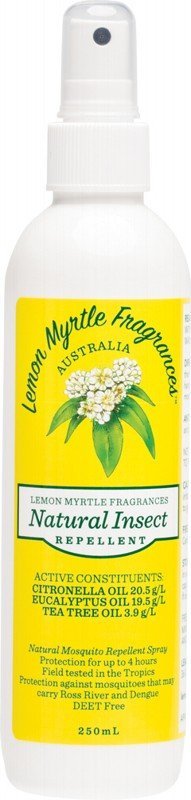
Lemon myrtle essential oil rather than tea tree or citronella is the active ingredient here, giving this a noticeably different scent to the other natural sprays on this list, and it is sold in both 125ml and 250ml sizes.
Lemon myrtle oil doubles as an antibacterial topical spray according to the brand, on top of its insect-repelling use, and the larger 250ml size works out cheaper per millilitre than the 100ml bottles elsewhere on this list for anyone using it regularly.
Anyone who finds tea tree or citronella-based sprays too medicinal-smelling for daily use is the target buyer here, since lemon myrtle reads as a genuinely different, more citrus fragrance. The two size options also make it easier to buy in bulk for a family than the single-size bottles above.
Pros
- Lemon myrtle scent, distinct from the tea tree and citronella sprays on this list
- Available in 125ml and 250ml, cheaper per ml at the larger size
- Doubles as an antibacterial topical spray
Cons
- Fragrance preference is subjective, worth trying before buying the larger size
- Priced above the Walkabout spray below for the equivalent size
Key specs: 125ml or 250ml, lemon myrtle oil active, dual-purpose antibacterial claim
CHECK CURRENT PRICE5. Thursday Plantation Walkabout Insect Repellent – Best Budget Pick
Thursday Plantation is a long-running Australian tea tree brand, and Walkabout is their entry-level natural repellent, combining tea tree oil, lemon-scented tea tree oil and citronellal in a 50ml bottle.
It is the cheapest product on this list by a wide margin, and the smaller 50ml size suits someone testing whether a natural repellent works for them before committing to a larger bottle. The active ingredient blend is broadly similar in concept to the other tea tree and citronella sprays here, just at a lower price and volume.
This is the sensible starting point for anyone new to natural repellents or only using one occasionally rather than daily through summer. Regular outdoor users going through a bottle every few weeks will find the Jungle Strength or Lemon Myrtle options above work out better value per application despite the higher upfront price.
Pros
- Cheapest product on this list by a wide margin
- Well-known, long-running Australian tea tree brand
- Small 50ml size suits occasional use or trying before committing
Cons
- Smaller bottle means more frequent repurchasing for regular use
- Standard strength rather than the jungle-strength formula above
Key specs: 50ml, tea tree oil and citronellal blend, Thursday Plantation
CHECK CURRENT PRICE6. Rechargeable Mosquito Zapper and Fly Killer – Best Portable Camping Pick
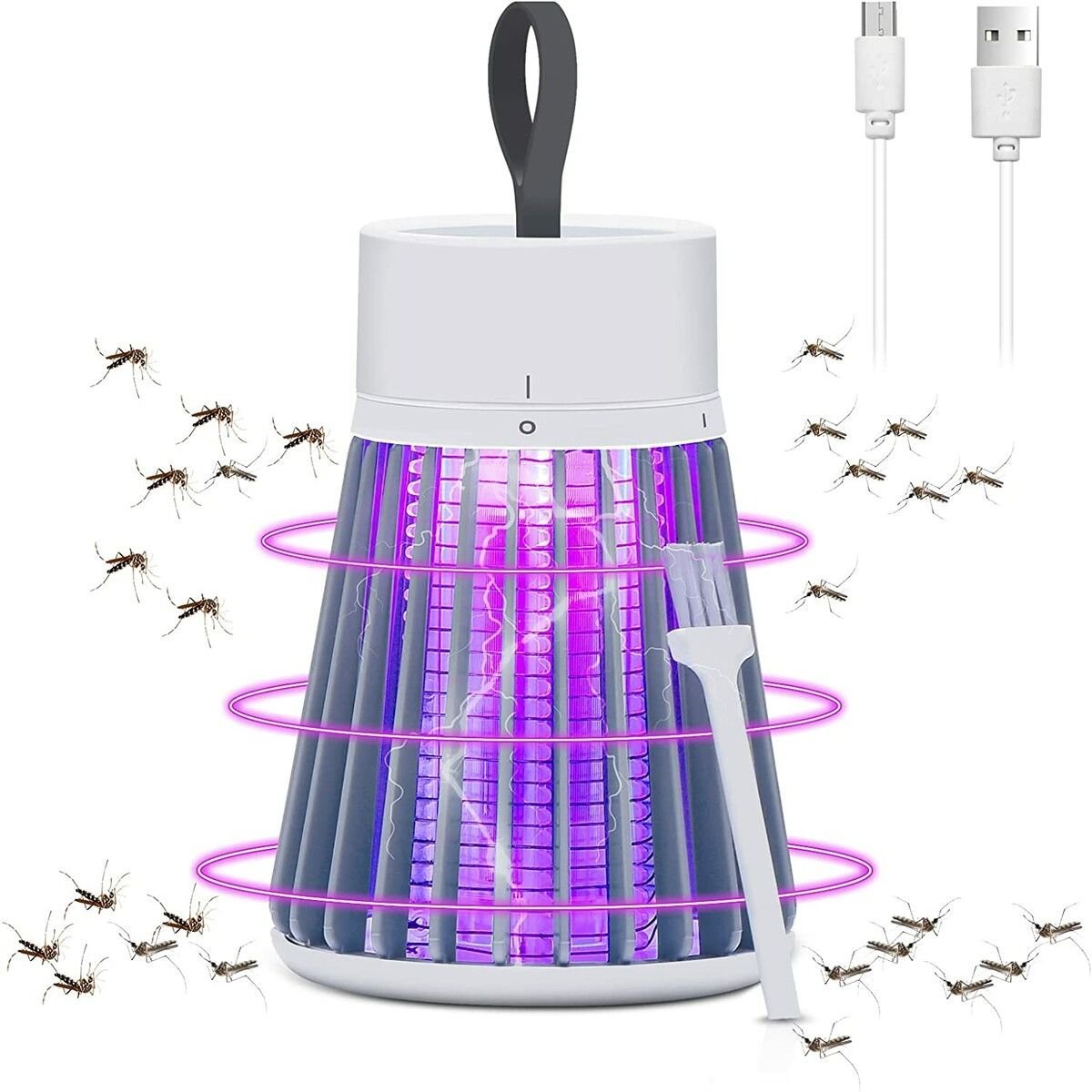
A portable UV zapper built around a USB-rechargeable battery rather than mains power, small enough to clip onto a tent, pack or table at a campsite, with a purple LED light designed to attract mosquitoes and flies toward the trap.
It works passively once switched on, drawing insects in rather than needing to be aimed like the electric swatter above, which suits sitting in one spot such as a dinner table or tent vestibule rather than active use while moving around.
This is the pick for a camping trip or outdoor dinner where a fixed light source can do the work rather than carrying a can of spray for everyone at the table. It does nothing for insects biting the moment you sit down though, so a topical repellent applied beforehand covers the gap while the trap builds up its effect over the evening.
Pros
- Portable, USB rechargeable, suited to camping and outdoor dining
- Works passively without needing to be aimed or swung
- Cheaper than the electric swatter on this list
Cons
- Takes time to draw insects in, no immediate effect
- Best suited to a fixed spot rather than moving around
Key specs: USB rechargeable, UV LED attractant, portable design
CHECK CURRENT PRICEHow to Choose an Insect Repellent
Active ingredient is the first decision. DEET remains the most studied and longest-lasting synthetic option, though it is not sold by any of the merchants in this guide. Natural alternatives built around tea tree, citronella or lemon myrtle oil are gentler on skin and smell but generally need reapplying more often through a full day outdoors.
Application format affects how evenly it goes on and how it feels. Sprays cover a larger area quickly but some of the product ends up in the air rather than on skin. Lotions rub in with more control, useful around the face or for applying to a child, but take longer over a full body application.
Protection time varies by product and by how much you sweat or swim during the activity. A repellent rated for 6 hours in ideal conditions may need reapplying after 2 to 3 hours of heavy activity in humid weather, so treat label claims as a maximum rather than a guarantee.
Electric swatters and zappers solve a different problem to topical repellents: they kill or trap insects already in the area rather than stopping bites on skin. A swatter needs active use, swinging it at insects you can see, while a zapper works passively but only within its immediate range.
Where you are using it should decide the mix. A backyard or patio benefits from a passive zapper running in the background, an active mosquito problem indoors suits a swatter, and time spent walking, hiking or fishing needs a topical repellent since neither device protects skin on the move. If an overnight trip is on the cards, our camping mattress guide covers the sleeping side of the same trip.
Children and sensitive skin need extra care regardless of which product type you choose. Check the label for a minimum age recommendation on any topical repellent, patch-test a natural formulation before full application if skin sensitivity is a concern, and keep electric swatters out of reach of young children given the exposed mesh grid.
Frequently Asked Questions
Are natural insect repellents as effective as DEET?
Natural repellents generally protect for a shorter window than DEET-based products, often 4 to 6 hours against DEET’s 6 to 8 hours, so they need reapplying more often across a full day outdoors. Effectiveness against specific insects also varies more between natural formulations than it does with DEET.
How often should I reapply insect repellent?
Check the label for the specific product, but as a general rule, natural repellents need reapplying every 3 to 4 hours during heavy outdoor activity, and any repellent should be reapplied after swimming, heavy sweating or towelling off.
Can I use insect repellent on children?
Most repellents carry a minimum age recommendation on the label, and it varies by product and active ingredient. Check the specific product before applying to a child, and consider a lotion format for more controlled application around the face.
Do electric mosquito swatters actually work?
They kill insects on contact through a charged mesh grid, which is effective against anything within swatting range, but they do not repel or protect against insects elsewhere in the room or outdoors. They work best alongside a topical repellent rather than replacing one.
What is the difference between a bug zapper and a mosquito swatter?
A zapper works passively, using UV light to attract insects toward a trap or electrified grid without any action from you, suited to a fixed spot like a patio table. A swatter is a handheld device you actively swing at insects you can see, more like an electric flyswat than a passive trap.
Do natural insect repellents smell strong?
Yes, most natural repellents have a noticeable scent from their active oil, whether that is tea tree, citronella or lemon myrtle, and the scent is part of how they work. If the smell of one natural repellent is unpleasant, trying a different active ingredient, lemon myrtle instead of tea tree for example, often solves it without switching to a synthetic option.
Verdict
Regular outdoor use through a full Australian summer is best matched to the Bug-Grrr Off Jungle Strength spray, which is formulated for exactly the insect pressure that makes standard sprays fall short. Anyone who prefers a controlled application over a mist should look to the Fend lotion instead, particularly for applying to children under supervision. For a backyard or campsite rather than skin protection, the Tooleroo electric swatter and the portable Crazysales zapper solve different halves of the same problem, contact killing versus passive trapping, and pairing either with a topical spray covers more ground than relying on one product alone.