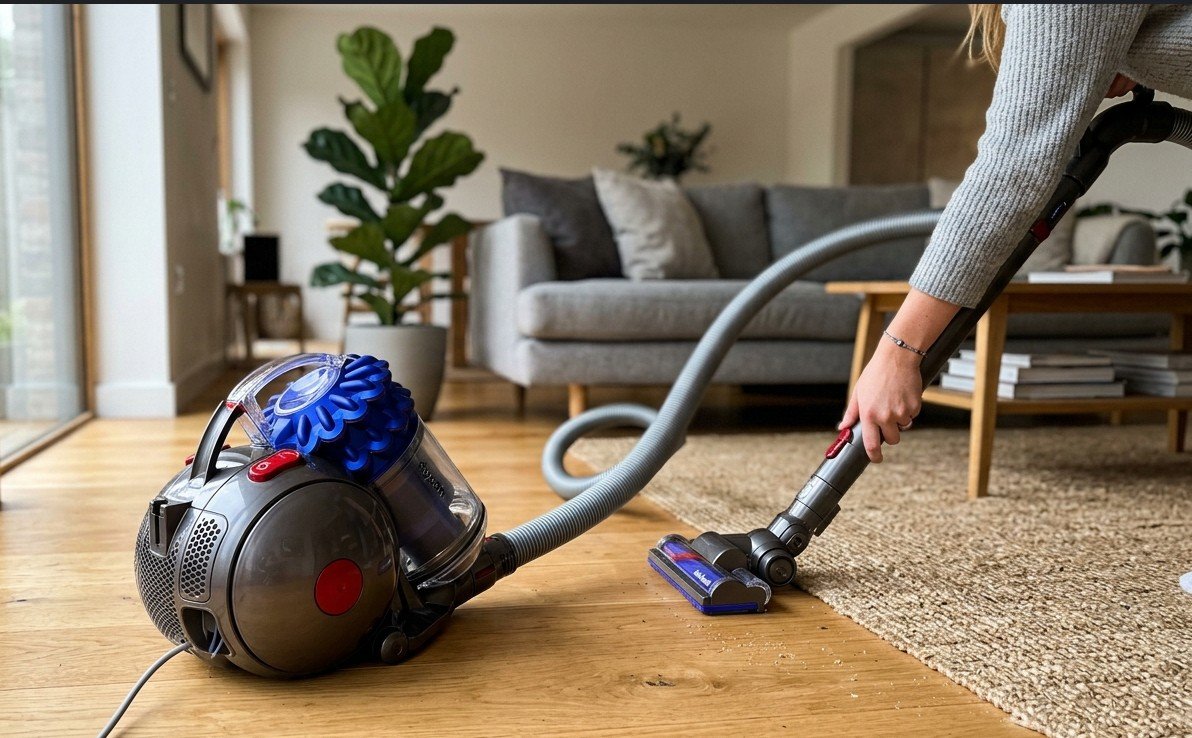
The best vacuum cleaner in Australia is the one matched to your floors and your patience: a robot for hands-off daily upkeep, a cordless stick for quick pickups, or a corded barrel for deep carpet cleaning. Suction is quoted in pascals or kilopascals, and the figure only means something alongside the head design and filtration, because raw airflow with a poor brush head still leaves embedded grit in a rug.
Almost every household is served by one of four formats. Robot vacuums map a floor and clean unattended, increasingly with a mopping pad and a self-emptying dock. Cordless stick vacuums trade runtime for reach and weight. Barrel and canister vacuums run on mains power with no battery ceiling and the strongest sustained suction. Wet and dry washers vacuum and mop hard floors in a single pass.
Suction across this guide runs from 5,000 to 25,000 pascals, or 5 to 25 kilopascals, and runtime from 40 minutes on the cordless model to over four hours on the longest-running robot. The specifications that decide the outcome are suction paired with head type, filtration grade, whether the dust container empties itself, and how long the battery lasts at the power level you would actually use.
The six machines that follow are all held in Australian stock and give one strong example of each approach: three robots with laser navigation, two mains-powered barrels and a self-emptying cordless stick. Dedicated guides cover the stick and robot categories in more depth.
Quick Picks
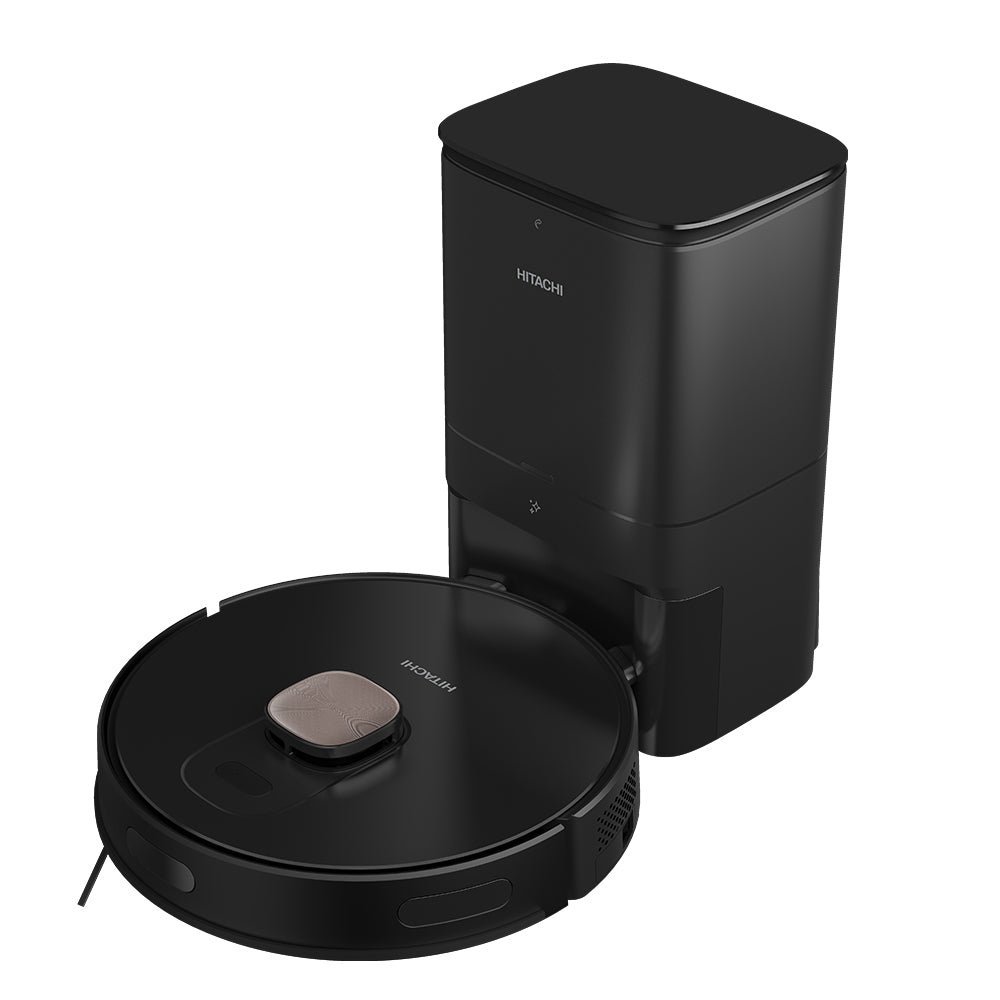
Hitachi LDS Robot Vacuum
Four hours of runtime, 5000Pa suction and a 4 litre dock that empties the robot for you.
CHECK CURRENT PRICE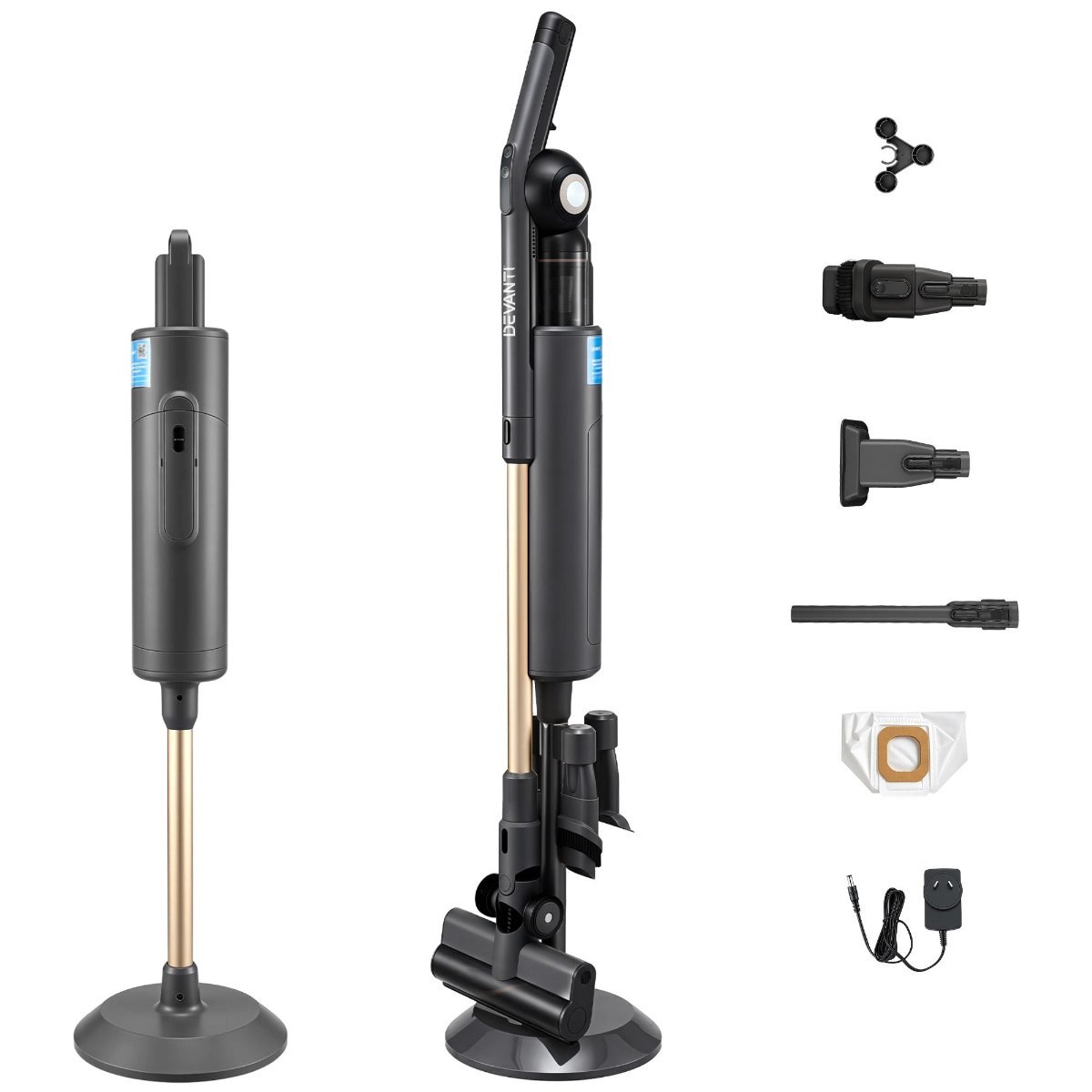
Devanti Cordless Auto-Empty Stick
A 1.05kg stick that empties into its own 1.8 litre base, giving about 60 days between bag changes.
CHECK CURRENT PRICE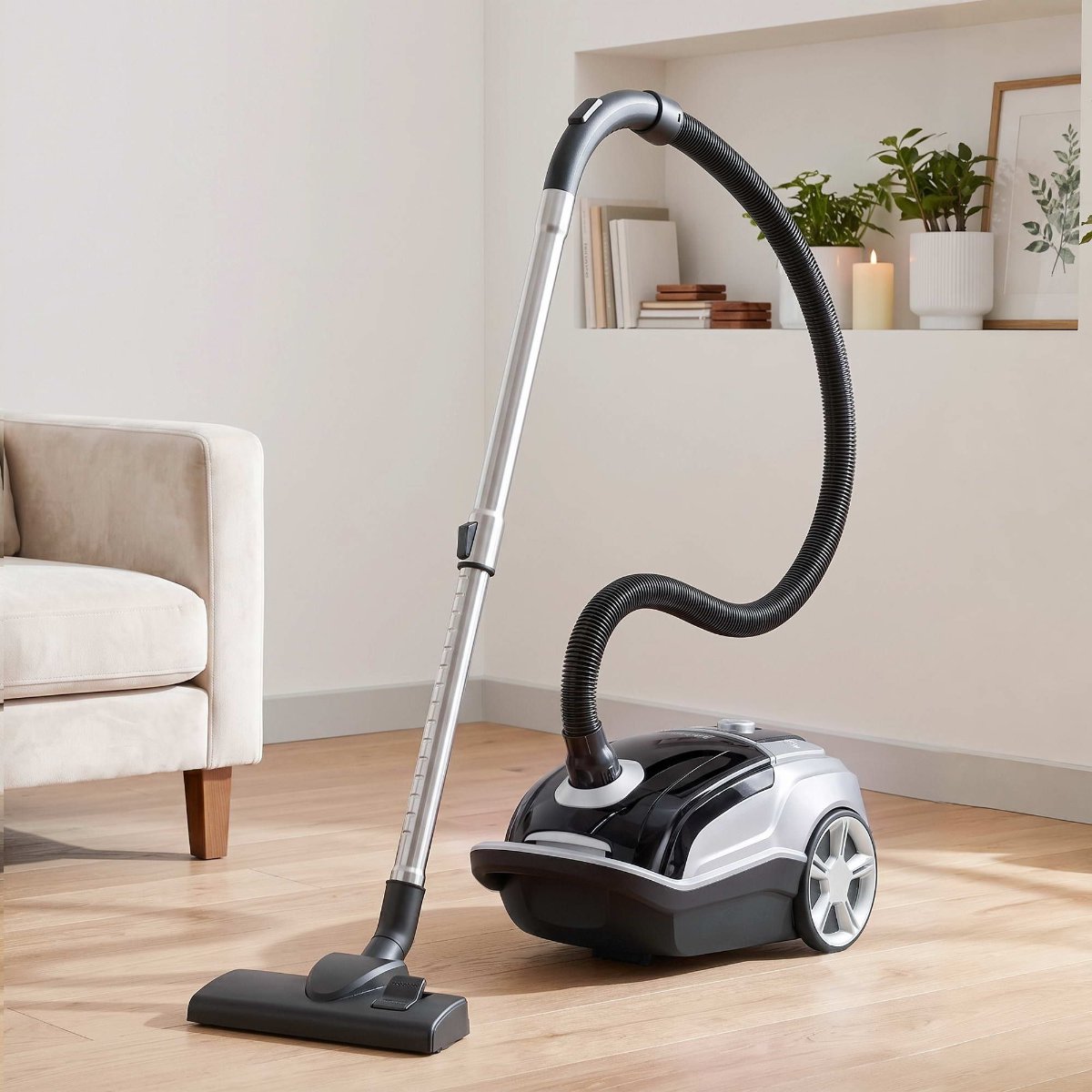
Devanti Bagged Canister
23kPa of continuous mains suction into a sealed 4 litre bag, so emptying does not put dust back in the air.
CHECK CURRENT PRICEThe Best Vacuum Cleaner in Australia: All Compared
| Product | Link | Type | Best For | Key Spec |
|---|---|---|---|---|
| Hitachi LDS Robot Vacuum | Check price | Robot with dock | Hands-off cleaning | 5000Pa, 4 hr runtime, 4L auto dock |
| Devanti Robot Vacuum and Mop | Check price | Robot with dock | Vacuum and mop in one | 6000Pa, 155 min, 1.5L self-empty dock |
| Devanti Cordless Auto-Empty | Check price | Cordless stick | Cordless without emptying | 18kPa, 40 min, 1.05kg, 1.8L dock |
| MyGenie Raptor Laser | Check price | Robot | Value robot | 5000Pa, 90 min, LiDAR, no-go zones |
| Devanti Bagged Canister | Check price | Bagged barrel | Allergy households | 2000W, 23kPa, 4L bag, HEPA |
| Devanti Bagless Canister | Check price | Bagless barrel | Deep carpet cleaning | 2000W, 25kPa, 4L bin, dual HEPA |
1. Hitachi LDS Robot Vacuum – Best Self-Emptying Robot
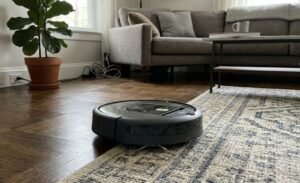
Four hours of continuous running is the specification that separates this from every other robot here, and it is roughly two and a half times the next longest. Laser sensor navigation stores five floor maps across multiple levels, so a two-storey house does not need remapping each time the robot is carried upstairs.
The dock holds 4 litres and empties the robot automatically, which changes the maintenance rhythm rather than just saving a step. A 300ml onboard bin filled by a shedding dog needs attention every second run; a 4 litre dock absorbs weeks of that and then asks only that a bag be lifted out. Suction peaks at 5000Pa across four selectable modes.
Mapping accuracy is what makes the long runtime useful, since a robot that wanders re-covers ground it has already done. This is the highest outlay in the guide and the dock needs a permanent floor footprint against a wall. Large homes, or anyone who would rather deal with a vacuum fortnightly than daily, are the clear fit.
Pros
- Over 4 hours runtime, the longest here
- LDS laser navigation storing 5 multi-level maps
- 4 litre auto dust disposal dock
- 5000Pa suction with four modes
- Bag-only disposal keeps hands out of the dust
Cons
- Highest outlay in this guide
- Dock needs permanent floor space against a wall
- No mopping function, unlike the two robots below
Key specs: LDS laser navigation with 5 multi-level floor maps, auto dust disposal system, 4 litre dock capacity, up to 5000Pa suction, four suction modes, over 4 hours runtime. Model RV-X20DPBKCG.
CHECK CURRENT PRICE2. Devanti Robot Vacuum and Mop – Best Robot Mop Combo
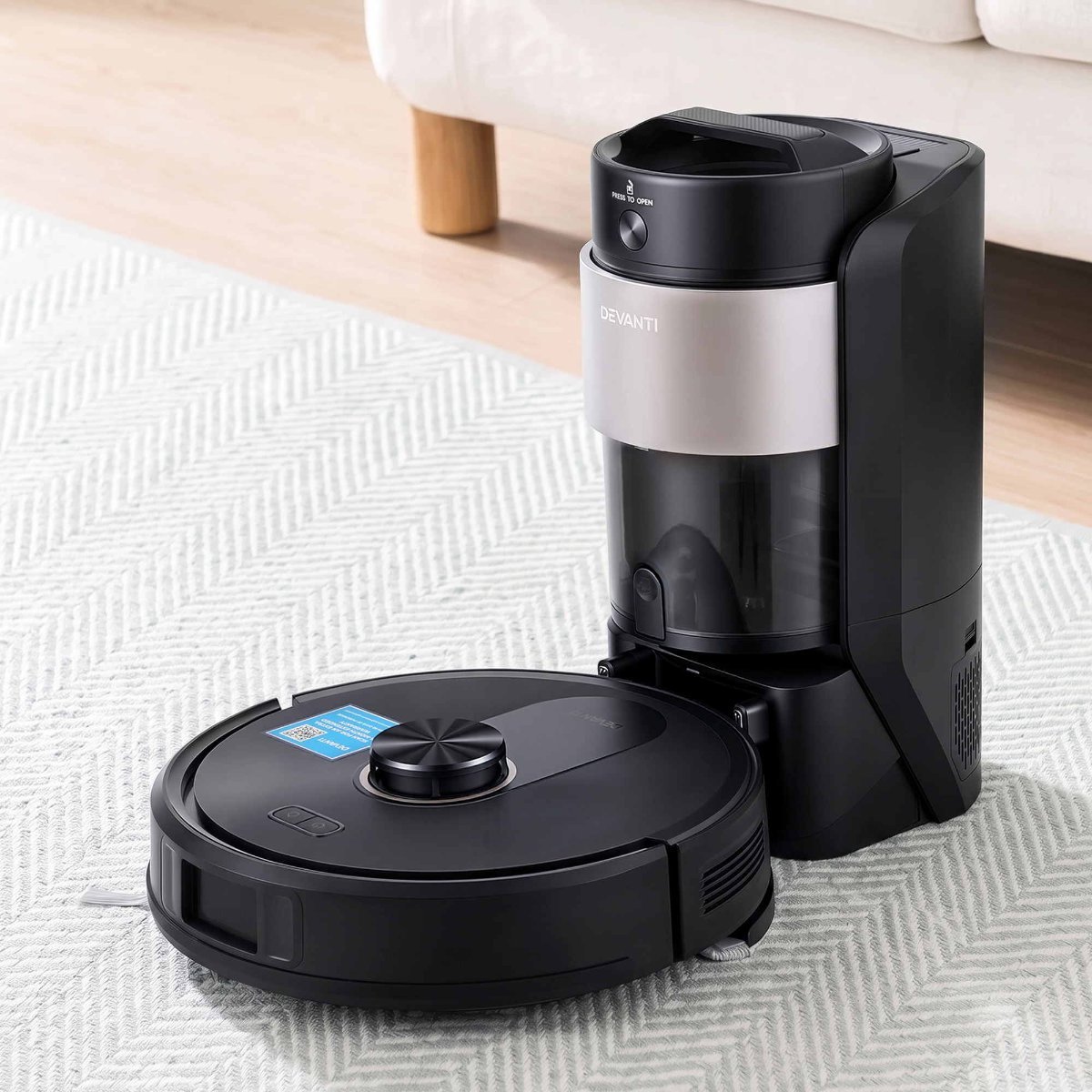
Six thousand pascals is the highest suction figure among the robots here, and it arrives on a three-in-one unit that sweeps, vacuums and mops rather than choosing one. LDS laser navigation with SLAM mapping handles the route, and a 1.5 litre station empties the robot between runs.
Tank sizing tells you how this is meant to be used. The onboard dustbox holds 300ml and the water tank 200ml, which is a single-floor mopping load rather than a whole-house one, so the mopping pass suits a kitchen and bathroom more than an open-plan ground floor in one go. Runtime is up to 155 minutes.
Control runs through a mobile app or the supplied remote, which matters more than it sounds because a remote works when the home network does not. Two side brushes, two mopping cloths, a HEPA filter and a cleaning brush are in the box, and the robot stands 9.8cm tall, low enough for most sofa clearances. Against the Hitachi above, the trade is roughly a third less runtime and a smaller dock in exchange for mopping and stronger suction.
Pros
- 6000Pa suction, the strongest robot here
- Sweeps, vacuums and mops in one pass
- 1.5 litre self-emptying dock
- LDS laser navigation with SLAM mapping
- App and physical remote control both included
- 9.8cm height clears most furniture
Cons
- 200ml water tank limits mopping to one area at a time
- 155 minutes is well short of the Hitachi above
- Assembly required
Key specs: 6000Pa suction, 3-in-1 sweep vacuum and mop, 1.5L self-emptying dock, 300ml dustbox, 200ml water tank, LDS laser navigation with SLAM, up to 155 minutes runtime, app and remote control, 30.6 x 30.6 x 9.8 cm, 1 year warranty.
CHECK CURRENT PRICE3. Devanti Cordless Auto-Empty Stick – Best Cordless with Dock
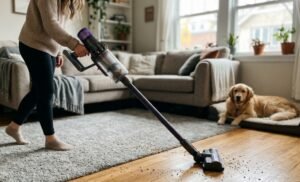
Auto-emptying is normally a robot feature, and putting it on a cordless stick removes the dustiest part of owning one. The stick holds 0.2 litres and empties into a 1.8 litre station, which the manufacturer rates at around 60 days of hands-free use between bag changes.
At 1.05kg it is the lightest machine in this guide by a wide margin, which is the specification that decides whether a stick vacuum gets used for a two-minute job or left in the cupboard. Suction is 18kPa across three speeds, an LED display reports mode and battery, and the motorised floor head is lit so dust shows up against skirting boards and under furniture.
Runtime is 40 minutes maximum, and that figure belongs to the lowest speed setting rather than the one most people use on carpet. Charging takes 4 to 6 hours, so a flat battery means the machine is out of action for an evening. The station also needs somewhere to live, which is the cost of not emptying a bin by hand.
Pros
- Auto-empties into a 1.8 litre station, around 60 days hands-free
- 1.05kg, the lightest machine here
- 18kPa suction with three speeds
- LED display for mode and battery
- Illuminated motorised floor head
- Washable HEPA filter, full tool set included
Cons
- 40 minute maximum is at the lowest speed setting
- 4 to 6 hour charge time
- Station takes up floor or bench space
Key specs: 18kPa max suction, 2500mAh battery, 0.2L stick bin, 1.8L dust station, up to 40 minutes runtime, 4-6 hour charge, three speeds, LED display, motorised LED brush head, washable HEPA filter, noise 82dB or less, 1.05kg, 1 year warranty.
CHECK CURRENT PRICE4. MyGenie Raptor Laser – Best Value Robot
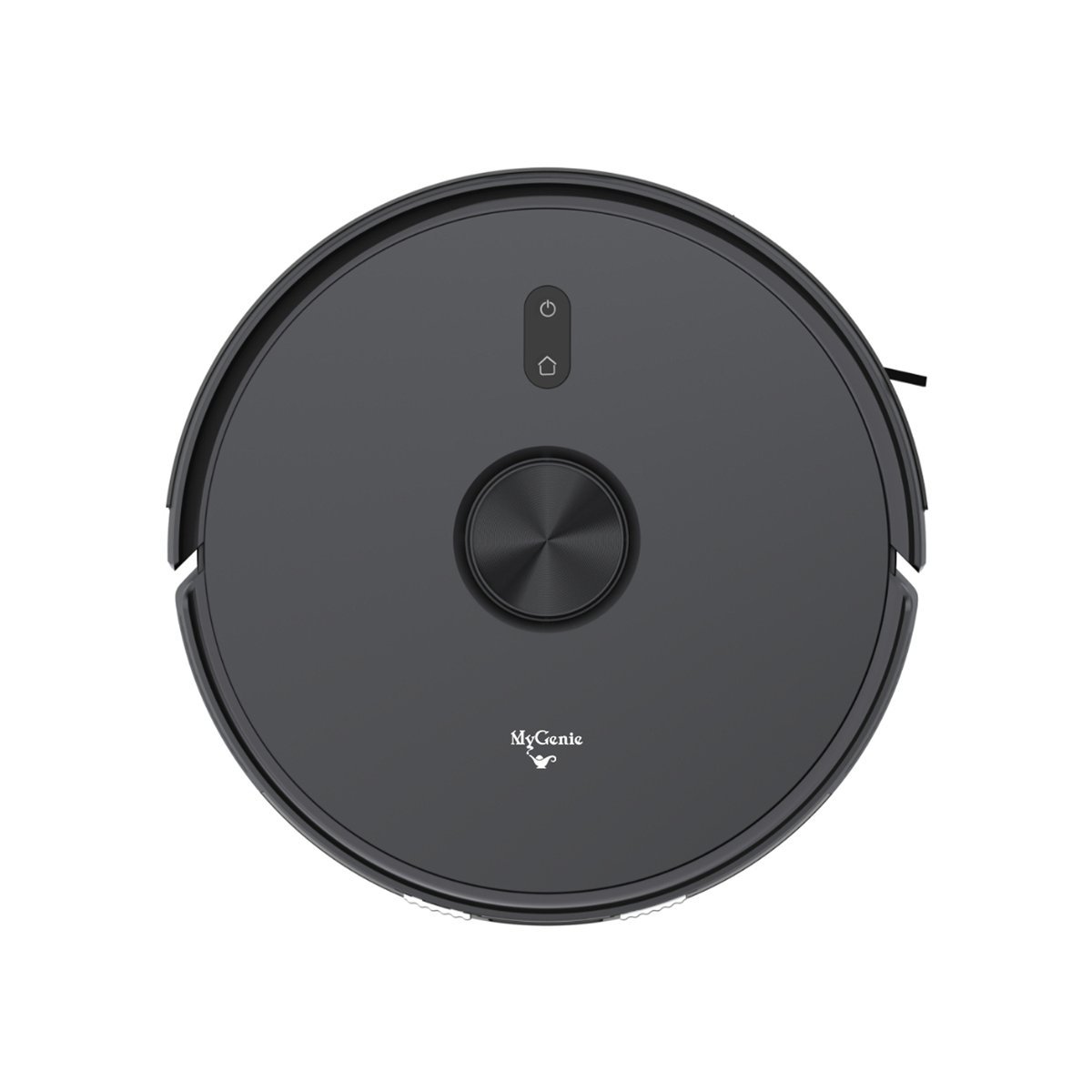
LiDAR laser mapping at this end of the market is the point of the Raptor. It builds a real-time floor plan and navigates to it, which is a different class of behaviour from the bump-and-turn robots that share its price bracket and the reason it covers a room once rather than three times.
Suction is 5000Pa, matching the Hitachi at the top of this guide, on a three-in-one system that sweeps, vacuums and mops. The WiFi app schedules cleans, sets no-go zones, adjusts suction and sends it back to dock. No-go zones are the feature worth having on a laser robot, because they let you fence off a pet bowl or a cable nest without physical barriers.
Runtime is 90 minutes with auto-recharge, the shortest of the three robots here, and there is no self-emptying dock, so the onboard bin is a manual job. That is the gap between this and the two robots above it. For an apartment or a single floor, 90 minutes is a full clean and the mapping quality is what you are actually paying for.
Pros
- LiDAR laser mapping with real-time floor plan
- 5000Pa suction, matching the top pick
- 3-in-1 sweep, vacuum and mop
- WiFi app with scheduling and no-go zones
- Auto-recharge and resume
- Lowest outlay of the three robots here
Cons
- 90 minute runtime is the shortest of the robots
- No self-emptying dock, bin emptied by hand
- Mopping is a pad rather than a pressurised system
Key specs: LIGHTSTREAM LiDAR laser mapping, 5000Pa suction, 3-in-1 sweep vacuum and mop, WiFi app with scheduling, no-go zones and suction control, 90 minute runtime with auto-recharge.
CHECK CURRENT PRICE5. Devanti Bagged Canister – Best for Allergies
A sealed bag is the reason to choose this over the bagless barrel below it. Emptying a bagless bin releases a cloud of exactly the fine dust the vacuum just collected, and for anyone with asthma or a dust allergy that undoes part of the clean. Here a 4 litre reusable bag slides out whole, and a triple filtration system with a HEPA filter sits behind it.
The motor is 2000W producing 23,000Pa of continuous suction, and continuous is the operative word: mains power means the last minute of a long session pulls as hard as the first, which no battery machine here can claim. It handles embedded grit, sand and pet dander across hardwood, carpet and tile.
A digital display and a suction control knob set the level, which matters when moving from a rug to a curtain. The bag can also simply be emptied and reused rather than replaced, so ongoing cost is optional. The obvious cost is the cord and the canister trailing behind you, and at the premium end of this guide it asks more than the bagless model that pulls slightly harder.
Pros
- Sealed 4 litre bag means dust-free disposal
- Triple filtration with HEPA
- 2000W motor with 23,000Pa continuous suction
- Digital display and suction control knob
- Bag is reusable, so consumables are optional
- No battery ceiling on cleaning time
Cons
- Corded canister to drag between rooms
- Premium end of this guide
- Slightly less peak suction than the bagless model below
Key specs: 2000W motor, 23,000Pa continuous suction, 4L reusable dust bag, triple filtration with HEPA filter, digital display, variable suction control knob, suited to hardwood, carpet and tile. Model VAC-KB-2108.
CHECK CURRENT PRICE6. Devanti Bagless Canister – Best Barrel Vacuum
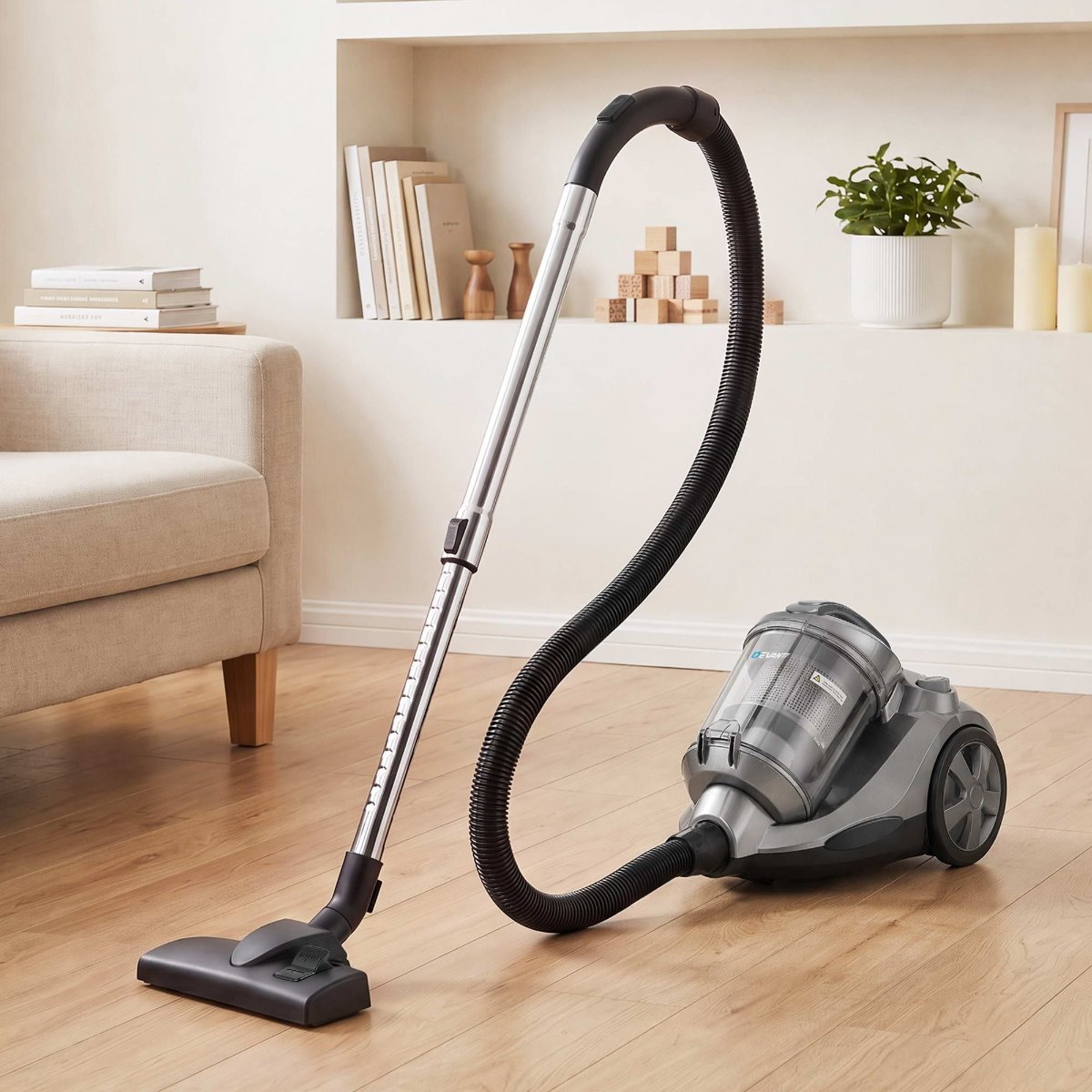
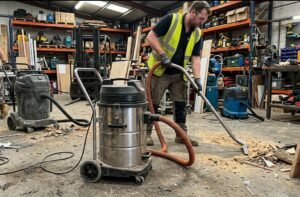
Twenty-five kilopascals is the highest suction figure anywhere in this guide, robot or cordless included, and it comes from the same 2000W mains motor class as the bagged unit with no bag restricting airflow. The 4 litre bin releases from the bottom with one touch.
Reach is where a barrel earns its keep over a stick. A 1.5 metre hose, a telescopic tube adjusting from 89 to 121cm and a 5 metre cord give roughly eight metres of working radius from one power point, so a hallway and two bedrooms are one setup rather than three. Automatic cord rewind handles the pack-up.
Dual washable HEPA filters sit at the inlet and outlet, and stepless variable suction means the level is a dial rather than three presets, which is finer control than anything else here offers. A switchable floor head covers hard floors and carpet. The trade against the bagged model above is straightforward: more suction and a lower outlay, paid for with a dustier bin-emptying job.
Pros
- 25kPa, the strongest suction in this guide
- 4 litre bin with one-touch bottom release
- Dual washable HEPA filters, inlet and outlet
- Stepless variable suction rather than fixed presets
- 1.5m hose, telescopic tube and 5m cord
- Automatic cord rewind
Cons
- Bagless emptying releases dust, unlike the bagged model above
- Corded and canister-bodied
- Heavier to carry up stairs than any stick here
Key specs: 2000W motor, 25kPa suction, 4L bin with bottom release, dual washable HEPA filtration, stepless variable suction, switchable floor head, 1.5m hose, 89-121cm telescopic tube, 5m cord with automatic rewind. Model VAC-KB-8006.
CHECK CURRENT PRICEHow to Choose a Vacuum Cleaner
Match the format to your floors before comparing any numbers. Deep carpet needs a motorised brush head and sustained suction, which favours the mains-powered barrels here at 23 and 25kPa. Hard floors reward a soft roller head or a lighter cordless machine. Robots suit maintenance across open floor plans and struggle with clutter, thick rugs and stairs, and the best robot vacuum guide compares twelve of them in detail.
Read the runtime figure as a range, not a promise. Cordless makers quote the lowest power setting. The cordless model here is rated to 40 minutes, and that figure belongs to its lowest speed setting on hard floor. On carpet at full power, plan for the bottom of the range and buy accordingly, or choose a corded machine where the question does not arise. Anyone set on a cordless upright should read the best stick vacuum comparison, which covers that format properly.
Decide whether you will actually empty it. A 0.4 litre bin in a pet household is a daily job, and the reason self-emptying docks have spread from robots to sticks. Three machines here empty themselves into 1.5 to 4 litre bases. That convenience costs floor space and, on bagged systems, occasional consumables. Shedding animals make that calculation urgent, which is why the best vacuum for pet hair is a separate question from the general one.
Bagged and bagless is an allergy decision more than a cost one. Bagless saves on consumables and lets you see what you picked up. Bagged seals the dust so emptying does not release it back into the room, which matters in a house with asthma. One machine here uses a reusable bag, which sits between the two.
Check the filtration claim, not just the word HEPA. Several machines here state 99.97% capture and washable filters, which removes a recurring cost. A washable filter still needs drying fully before it goes back in, and a clogged filter cuts suction more than most people expect, so it is the maintenance step that quietly determines whether a vacuum still performs in year three.
Suction alone does not clean carpet. Kilopascals measure sealed pressure, and lifting embedded fibre dirt also needs a rotating brush agitating the pile. A 25kPa barrel with a switchable head will beat a higher-figure machine with a plain nozzle on the same rug. Where cleaning is really about air quality rather than dust on the floor, the best bladeless fans circulate rather than filter, so the two solve different problems. Every vacuum sold here carries consumer guarantees under Australian Consumer Law.
Frequently Asked Questions
How much suction does a vacuum cleaner need?
It depends on the surface. Hard floors and everyday debris are handled well from about 8kPa. Carpet needs both higher sealed suction and a rotating brush head, and the mains-powered barrels here reach 23 and 25kPa. A high figure with a plain nozzle will still underperform a lower one with a motorised head.
Are robot vacuums worth it?
As maintenance between proper cleans, yes. A laser-mapping robot covers open floor daily without being asked, which keeps dust from building up. It will not do skirting boards, stairs, upholstery or thick rugs properly, so most households run one alongside a stick or barrel rather than instead of one.
What does LDS or LiDAR navigation actually do?
It spins a laser to measure distances and build a real-time map of the room, so the robot drives in efficient rows and knows where it has already been. The alternative, bumping into objects and turning randomly, covers the same floor several times and misses other parts entirely. Mapping also enables no-go zones and multi-level floor plans.
Should I choose bagged or bagless?
Bagless costs less to run and shows you what was collected, but emptying the bin releases fine dust. Bagged seals that dust away, which is the better choice in an allergy or asthma household. One machine in this guide uses a reusable 4 litre bag, so it seals like a bagged vacuum without a recurring consumable.
How long do cordless vacuum batteries last?
The quoted runtime applies to the lowest power setting, and real use on carpet at full power is often a quarter of it. Over years, lithium cells lose capacity, so a cordless stick bought today will run noticeably shorter after three or four years. Corded machines avoid that entirely, which is worth weighing if the vacuum is meant to last.
Can a wet and dry vacuum replace a mop and a vacuum?
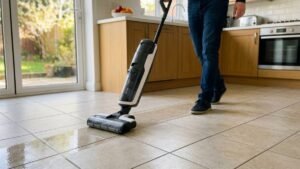
On hard floors, largely yes. Wet and dry machines vacuum and wash in one pass using separate clean and dirty water tanks, so dirty water is not spread back across the floor. They are not carpet vacuums though, and the gentler models will not lift ground-in dirt from a rug, so a carpeted home still needs a second machine.
Verdict
Hands-off cleaning across a large or multi-level home points to the Hitachi LDS Robot Vacuum, whose four-hour runtime and 4 litre auto-emptying dock mean weeks pass between any human involvement. Households wanting one machine to both vacuum and wash floors are better served by the Devanti Robot Vacuum and Mop, which pairs 6000Pa with a self-emptying station and mopping in the same unit. Where carpet is the real problem, no battery machine matches the Devanti Bagless Canister at 25kPa of continuous mains suction, and it costs less than either robot.