A tent is a portable shelter made from fabric stretched over a frame of poles, pegs and guy ropes, built to keep weather out while sleeping, camping or travelling outdoors. Most tents sold in Australia use a dome or tunnel-style pole structure with a waterproof outer fly and a separate mesh inner for ventilation, and the better ones add a UV-resistant coating since Australian sun degrades cheap fabric faster than a milder climate ever would. Picking well comes down to three things: how many people can actually sleep in it comfortably, not just how many the label claims, how fast you’re willing to pitch it, and how much heat and UV exposure it’s rated to handle. That combination is what actually separates the best tents in Australia from one that looks fine in a product photo but fails after a single humid weekend.
The category splits into several real types on the Australian market. Dome tents use flexible poles crossing at the roof for a freestanding, easy-pitch structure that suits most family camping. Instant or pop-up tents trade some durability for a setup measured in seconds instead of minutes. Cabin-style tents use near-vertical walls for standing headroom and multiple rooms, better suited to a caravan park stay than a hike-in site. Ultralight and solo tents strip weight and size down for hiking and one-person trips where every gram in a pack matters.
Waterhead rating is the spec that actually separates these ten picks: anything under 1500mm struggles in real rain, 2000-3000mm handles a proper Australian storm, and the figure most buyers overlook is UV protection, since a tent left up over a Queensland or WA summer degrades from sun exposure well before the fabric ever sees serious rain.
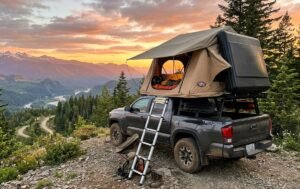
This guide compares ten tents actually available to Australian buyers this week, from an ultra-affordable single-person bug net to a 10-person cabin tent for an extended family trip, and covers dome, instant, cabin and ultralight styles instead of just the two or three brands a quick search turns up. Anyone considering a vehicle-based setup instead of a ground tent, a best rooftop tent in Australia solves a different set of problems: no wet ground, no snakes to check for, and a pitch time measured in minutes from the roof rack down.
Quick Picks
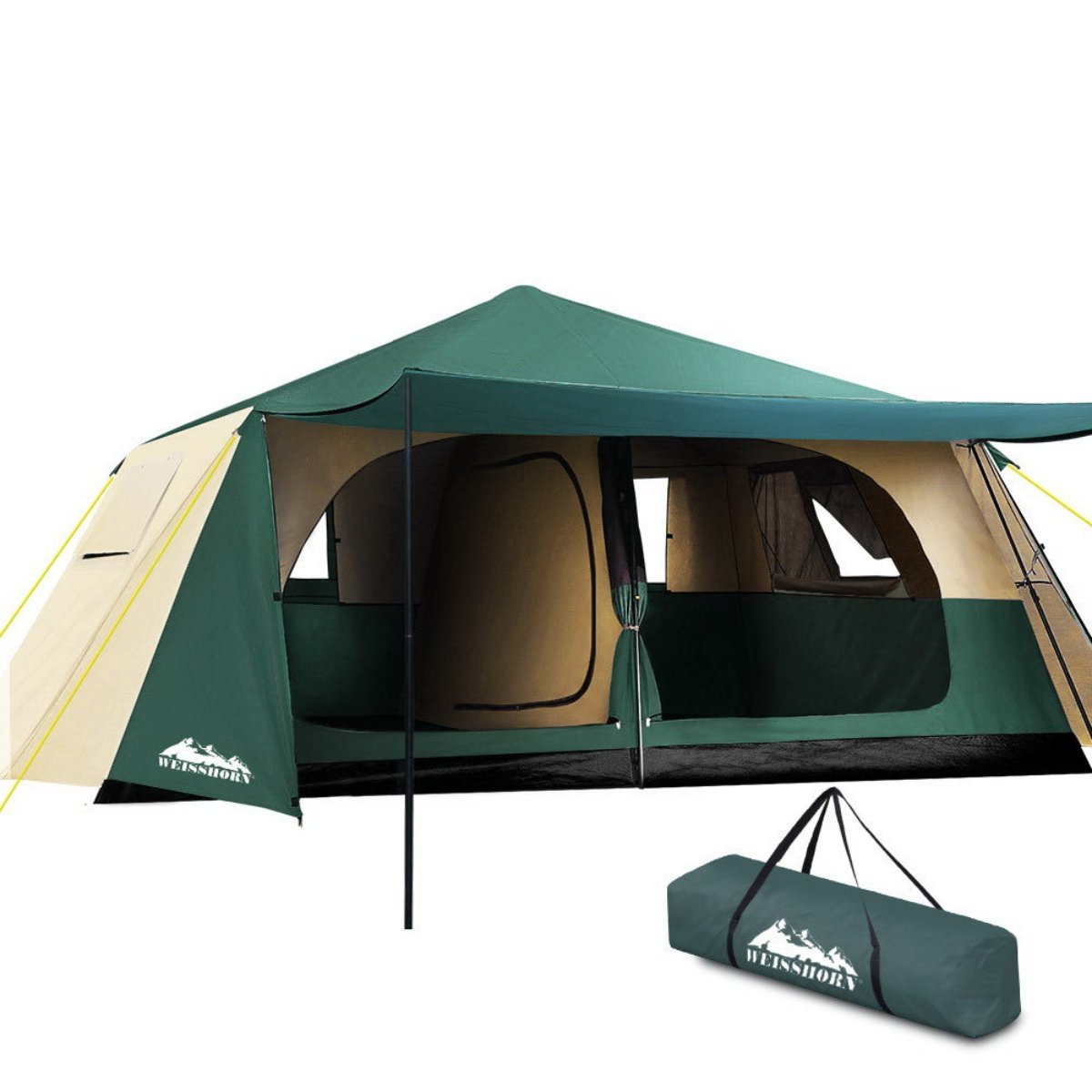
Weisshorn Instant Up 8-Person Tent
Two sleeping rooms and space for eight, pitched on the frame in about two minutes flat.
CHECK CURRENT PRICE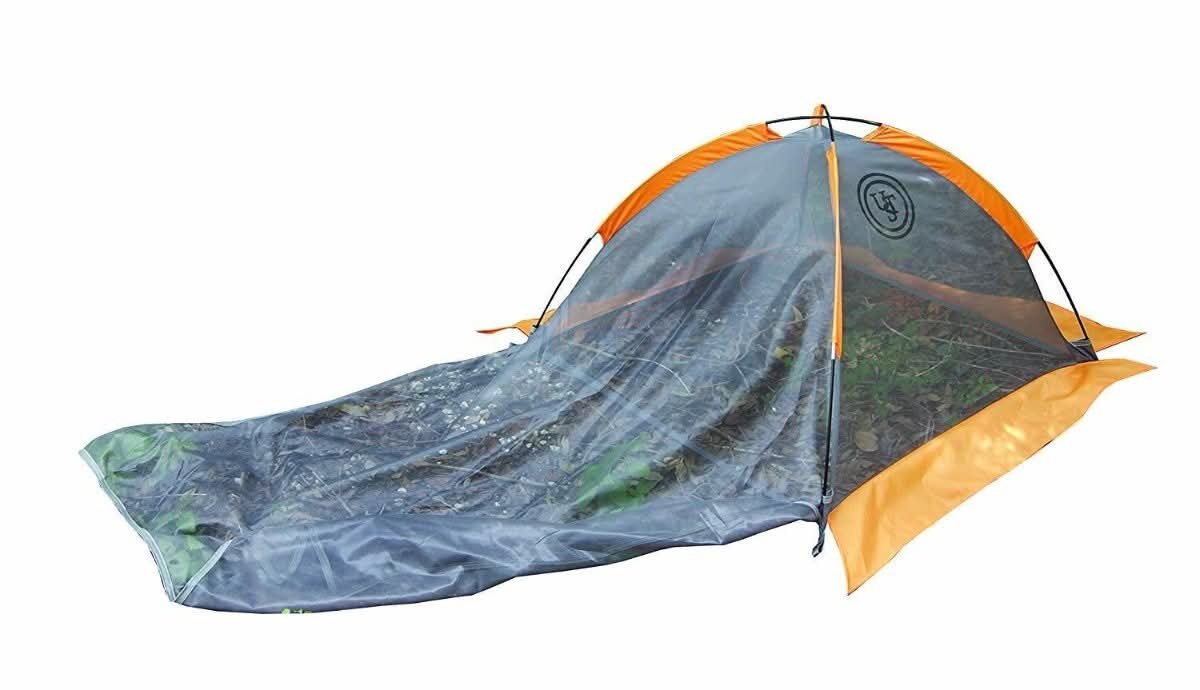
UST Bug Tent
A single-person mesh shelter light enough to forget it’s in the pack until you actually need it.
CHECK CURRENT PRICE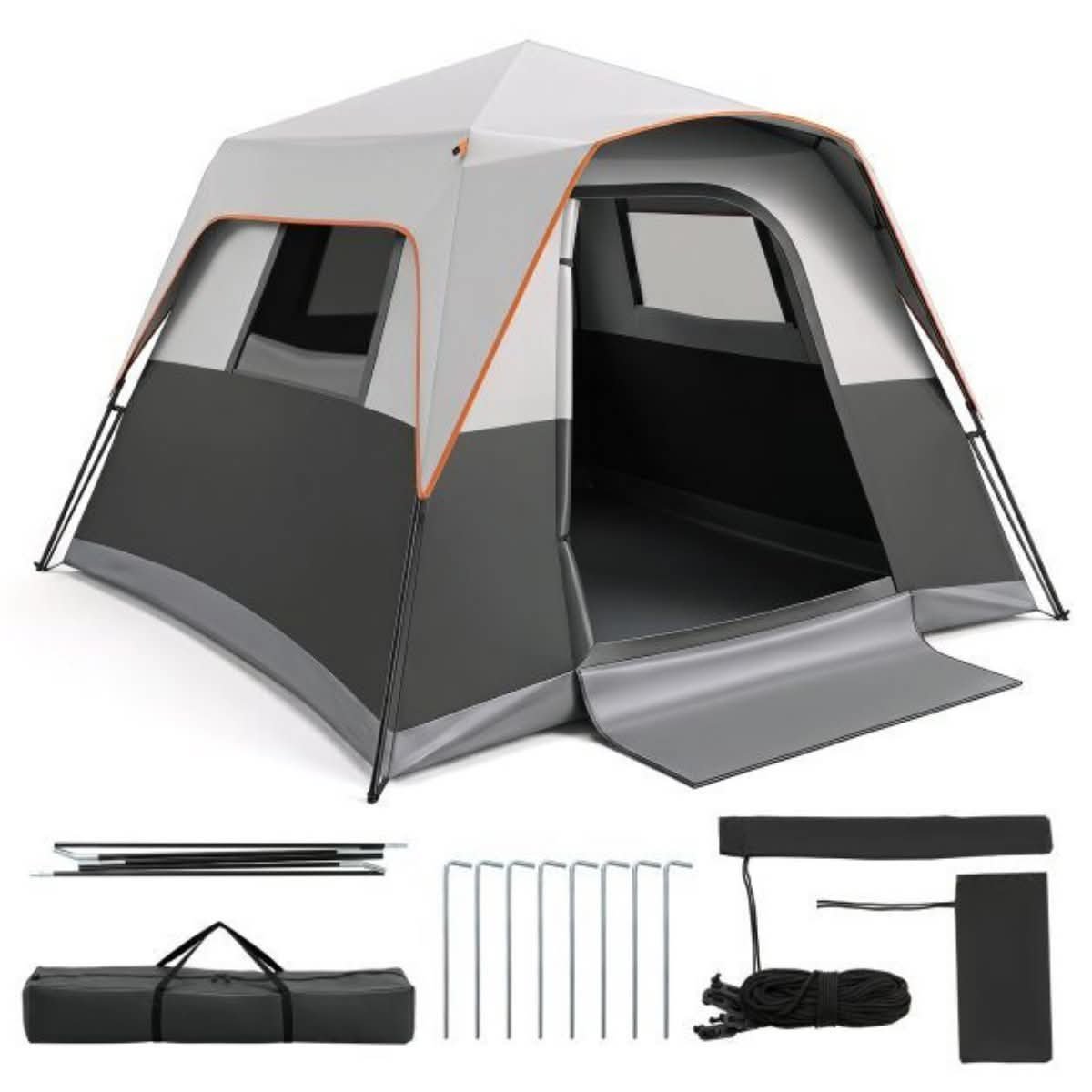
6-Person Blackout Instant Cabin Tent
Light-blocking fabric built for sleeping past sunrise on a hot Australian camping trip.
CHECK CURRENT PRICEThe Best Tents in Australia Compared
| Product | Link | Type | Best For | Key Spec |
|---|---|---|---|---|
| Weisshorn 4-Person Camping Tent | Check price | Dome Tent | Budget Family Tent | PU1000mm, fiberglass poles |
| Weisshorn Instant Up 8-Person Tent | Check price | Instant Tent | Large Families | Two rooms, steel poles |
| UST Bug Tent | Check price | Ultralight Solo | Ultralight Solo Tent | Single-person mesh shelter |
| 3-Second Pop-Up Camping Tent | Check price | Instant Tent | Instant Setup | 2000-3000mm waterproof |
| 8-10 Person Pop Up Beach Tent | Check price | Beach Shelter | Beach & Day Shelter | UPF50+, side walls included |
| 10-Person Instant Cabin Tent | Check price | Cabin Tent | Cabin-Style Tent | Two rooms, 60-second setup |
| 6-Person Blackout Instant Cabin Tent | Check price | Cabin Tent | Hot Climate Sleep-Ins | Light-blocking, UPF50+ |
| Pop Up Sports Tent | Check price | Pop-Up Tent | Festivals & Weekend Trips | Sealed floor, carry bag |
| OZtrail Tasman 3 Person Dome Tent | Check price | Dome Tent | Trusted AU Brand | Front and rear D-doors |
| Coleman Instant Up Swagger Tent | Check price | Swag-Style Tent | Swag-Style Solo Camping | Dual instant spine hub |
How We Picked
We researched this category online across a range of Australian retailers and marketplaces, comparing what’s actually in stock and well-reviewed instead of settling on one storefront and stopping there. Close to thirty listings were compared before narrowing to the ten below, filtering out anything out of stock, discontinued, or a duplicate of another pick sold under a different storefront.
We cross-checked the shortlist against CHOICE’s tent buying guide and verified buyer reviews on ProductReview.com.au, where real AU buyer data exists for several of the brands covered here. We don’t physically test every unit ourselves. Selections are informed by our affiliate partnerships, but commission doesn’t override editorial ranking when a lower-commission pick is simply the better buy.
1. Weisshorn 4-Person Camping Tent – Best Budget Family Tent
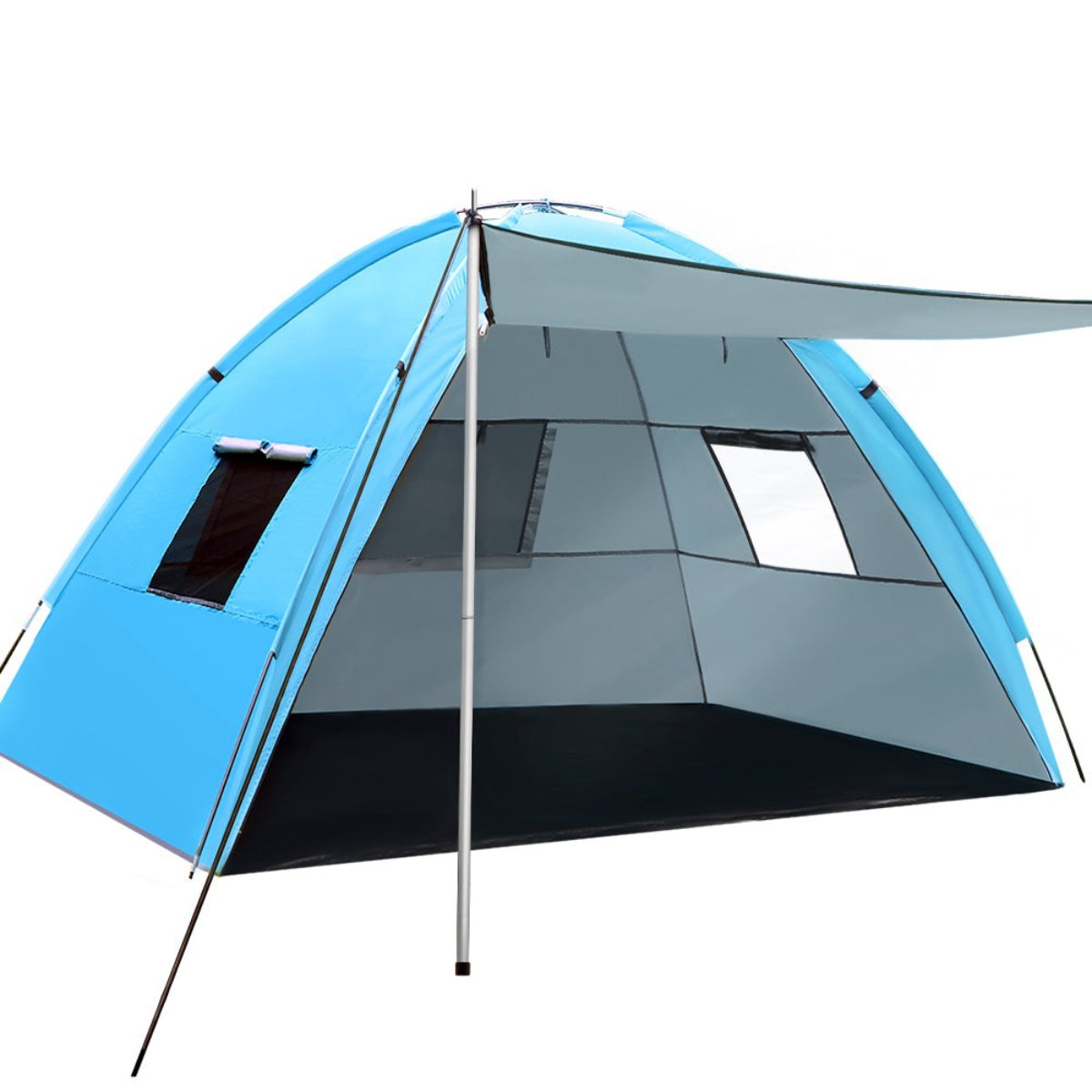
This is one of the cheapest genuine 4-person tents compared here, built with 190T polyester and a PU1000mm coating over fiberglass poles. A cross-pole roof design adds headroom most budget tents skip, and the double-layer construction, a separate mesh inner plus a waterproof fly, is the same basic build as tents costing twice as much.
Weisshorn as a brand draws mixed reviews on ProductReview.com.au, with complaints on some models centred on poles snapping and pegs bending under real use instead of showroom handling. At this price, treat it as a solid budget option for occasional weekend trips instead of a tent built for a season of hard use.
Pros
- Cheap 4-person double-layer build without cutting the basic construction
- Cross-pole design adds headroom over a standard dome
- UPF50+ UV protection included
Cons
- Weisshorn’s broader track record on ProductReview flags pole and peg durability issues on some models
- 1-year warranty is shorter than some rivals compared here
Key specs: 4-person capacity; 190T polyester, PU1000mm coating; fiberglass poles; UPF50+; 1-year warranty
CHECK CURRENT PRICE2. Weisshorn Instant Up 8-Person Tent – Best for Large Families
Two sleeping rooms divide the 425cm x 245cm floor plan in half, so an 8-person trip doesn’t mean zero privacy for anyone. The frame is pre-attached, so the whole thing pitches in around two minutes rather than the usual family-tent wrestle with loose poles.
Steel poles instead of the 4-person pick’s fiberglass make this noticeably heavier to carry but more resistant to a gust flexing them out of shape, a real consideration at an exposed coastal site where a Bass Strait wind doesn’t let up overnight. PU water-resistant coating and a thick water-resistant base cover both rain from above and damp ground below.
Pros
- Two sleeping rooms for real family privacy
- Pre-attached frame pitches in about two minutes
- Steel poles handle wind better than fiberglass
Cons
- Same brand-level durability concerns as the 4-person pick above apply at this larger, pricier size
- Carry bag and packed weight are substantial for one person to manage alone
Key specs: 8-person capacity; two sleeping rooms; steel poles; 425cm x 245cm floor plan; pre-attached frame
CHECK CURRENT PRICE3. UST Bug Tent – Best Ultralight Solo Tent
Not every camping trip calls for poles, pegs and a fly sheet. For a hot night where rain isn’t the concern but mosquitoes are, this single-person mesh shelter packs down small enough to disappear into a hiking pack and forget about until it’s actually needed.
It won’t keep out rain or wind in any serious way. That’s not what it’s built for. Think of it as insect protection you can throw over a swag or bivvy bag on a warm night, not a replacement for a proper tent when weather is a real factor.
Pros
- Packs down to almost nothing in a hiking pack
- Genuinely single-person, no wasted weight on a frame you don’t need
- Affordable insect protection for warm-weather nights
Cons
- No real weather protection, mesh only
- Dispatch from the supplier can take 5-8 business days instead of shipping immediately
Key specs: Single-person capacity; mesh insect protection; ultra-compact pack size; no weather rating
CHECK CURRENT PRICE4. 3-Second Pop-Up Camping Tent – Best Instant Setup
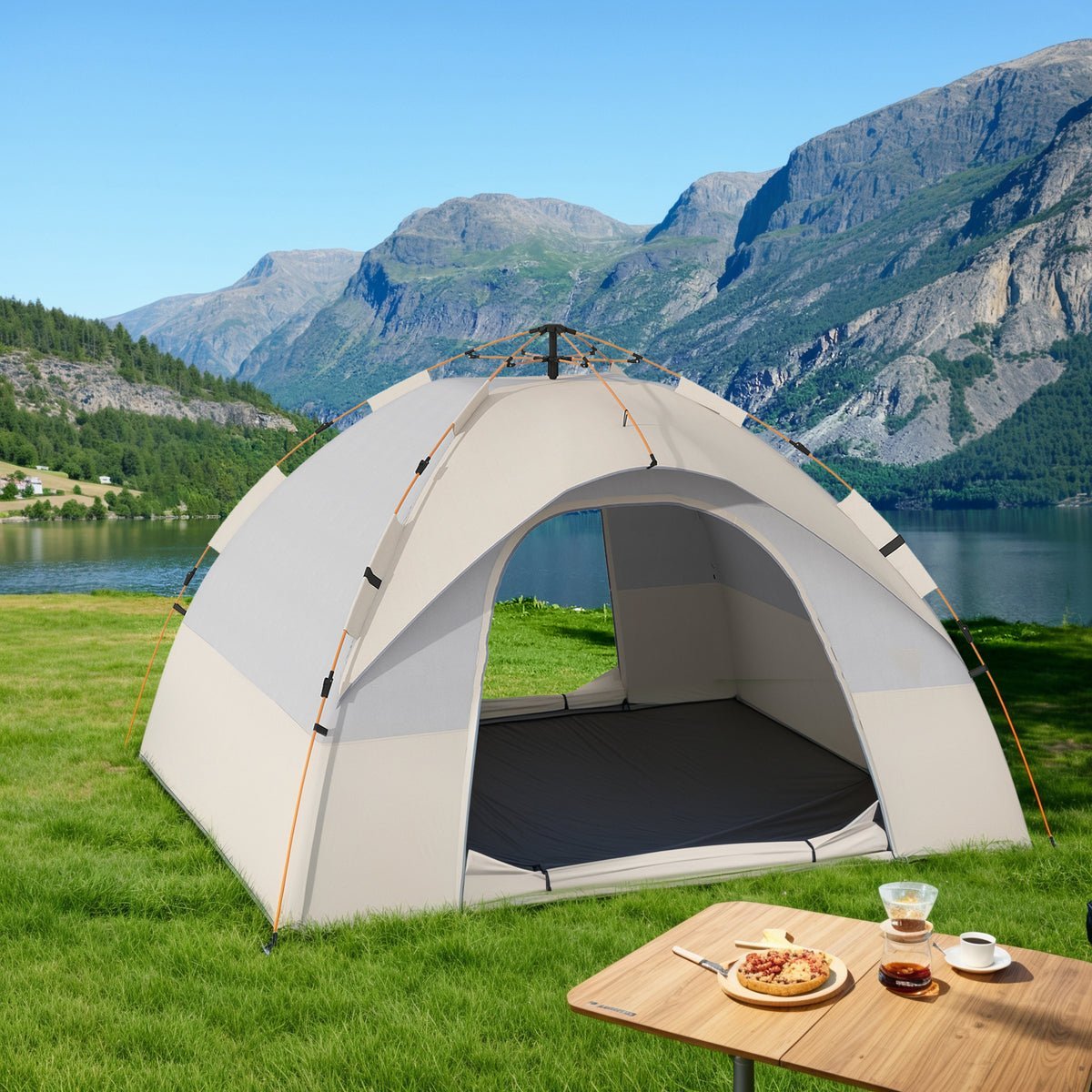
Toss it and it’s up. That’s the entire pitch, and for once the marketing claim about a 3-second setup lands close to accurate instead of aspirational. Fiberglass poles are already built into the automatic pop-up mechanism, and the 210D silver-coated Oxford fabric carries a 2000-3000mm waterproof rating that beats most tents at this price.
Dual mesh doors handle ventilation and bug protection at the same time, and the trade-off for that instant setup shows up when packing it back down, which takes longer and more patience than the pop-up itself. Budget the extra few minutes for folding it away instead of assuming it reverses as fast as it opens.
Pros
- Fast 3-second pop-up setup that lives up to the claim
- 2000-3000mm waterproof rating beats the price point
- Dual mesh doors for ventilation and bug protection
Cons
- Packing back down takes real practice and patience, unlike the setup
- Available in 3-4 or 4-5 person sizing only, no option for solo or 8-plus groups
Key specs: 3-4 or 4-5 person capacity; 210D Oxford fabric; 2000-3000mm waterproof; fiberglass poles; dual mesh doors
CHECK CURRENT PRICE5. 8-10 Person Pop Up Beach Tent – Best Beach & Day Shelter
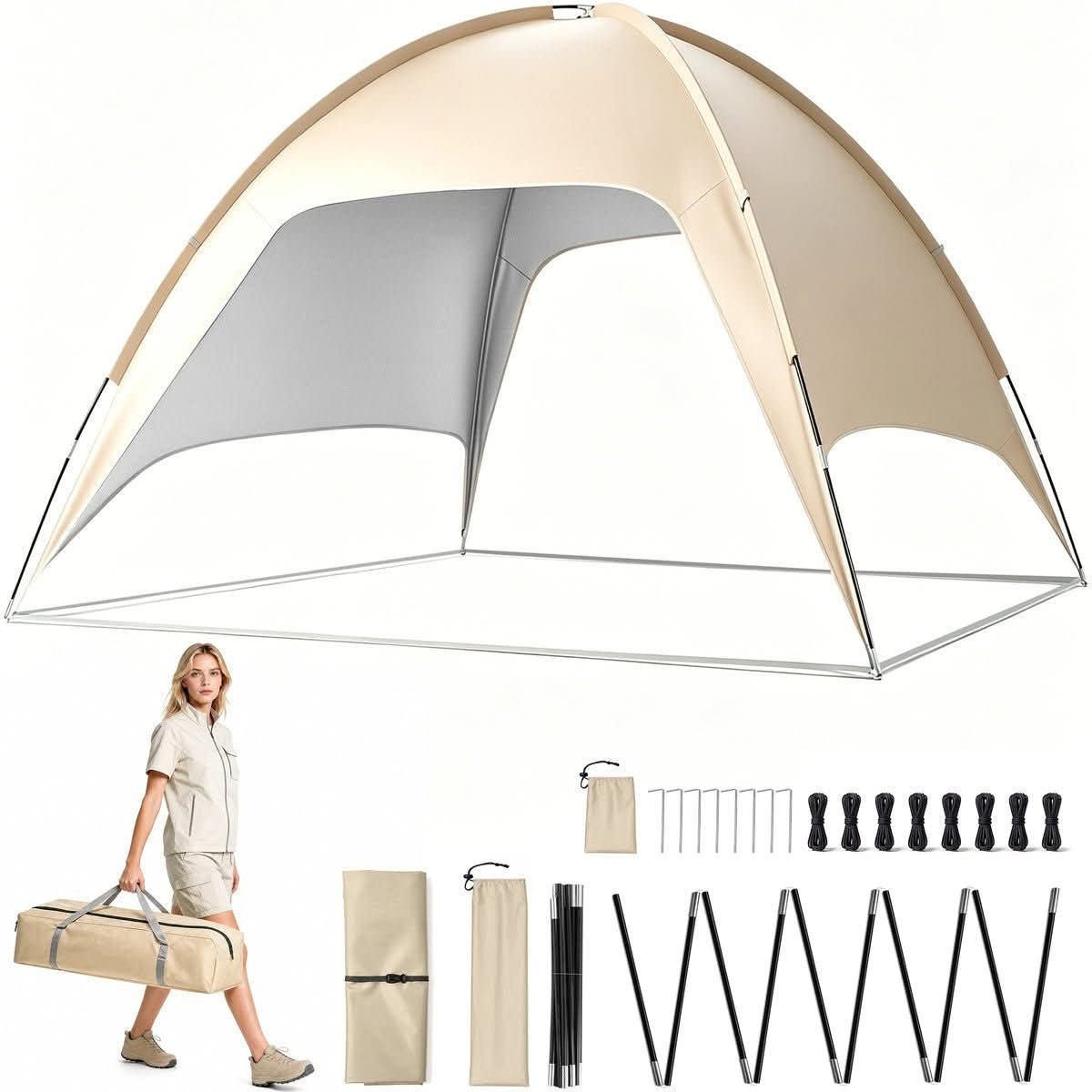
This isn’t a sleeping tent, and it earns its spot on this list anyway: a 315cm x 315cm pop-up shade structure built for a beach day or backyard gathering instead of an overnight stay, with 360-degree ventilation and UPF50+ sun protection stitched into the fabric itself.
For a family day at the beach through a Queensland or WA summer, that UPF rating matters more than most buyers realise. The gap between a UPF50+ shade tent and a cheap beach umbrella shows up as sunburn by mid-afternoon, not on the spec sheet. Side walls come included, which most budget beach shelters at this price skip entirely.
Pros
- UPF50+ sun protection built into the fabric
- Side walls included at this price point, unusual for a beach shelter
- Large enough for 8-10 people to shelter together
Cons
- Not designed for sleeping or overnight weather protection
- Quick setup still needs two people to manage the full-size frame comfortably
Key specs: 315cm x 315cm; UPF50+; side walls included; 8-10 person capacity; pop-up setup
CHECK CURRENT PRICE6. 10-Person Instant Cabin Tent – Best Cabin-Style Tent
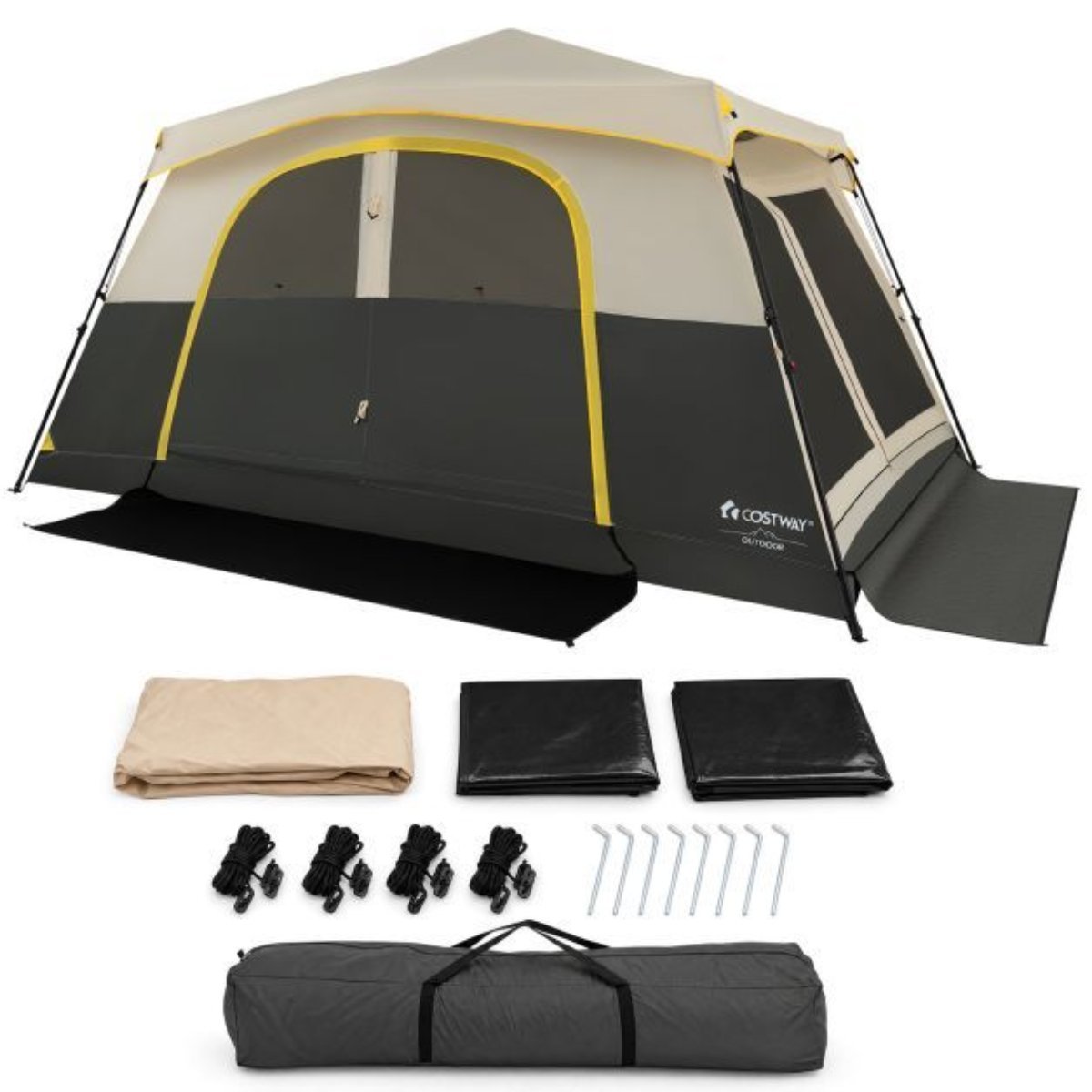
Near-vertical walls and a two-room layout give this cabin tent standing headroom most dome tents can’t match, splitting into a sleep room and a second space that doubles as a family game room or gear storage. A centre hub and telescopic poles mean the whole thing is ready in about 60 seconds despite the size.
Water-resistant 1500mm fabric with a removable rainfly and taped seams covers proper rain instead of just drizzle, and UPF30 sun protection is a step below some picks here but still meaningfully better than an unrated tent. This is the pick for a caravan park stay or a multi-family camping trip, not a hike-in site.
Pros
- Standing headroom and a real two-room layout
- 60-second setup despite the size
- Removable rainfly with taped seams for proper rain
Cons
- Too large and heavy for anywhere you can’t drive a car to
- UPF30 rating is lower than the sun protection on some smaller picks here
Key specs: 10-person capacity; two-room layout; 1500mm water-resistant fabric; removable rainfly; UPF30; 60-second setup
CHECK CURRENT PRICE7. 6-Person Blackout Instant Cabin Tent – Best for Hot Climate Sleep-Ins
Ever tried sleeping past 6am in a standard tent once the sun’s up? The fabric turns the inside into a greenhouse within minutes. This 6-person cabin tent solves that specific problem with a PA-coated, light-blocking fabric that keeps the interior noticeably darker and cooler than a standard polyester fly.
A 3000mm+ waterproof rating and UPF50+ protection back up the blackout claim with real weather performance too, not just a dark colour scheme. For anyone who’s tried camping through a Northern Territory or inland NSW summer where sunrise means instant heat, that’s a bigger quality-of-life upgrade than an extra vestibule pocket.
Pros
- Light-blocking fabric noticeably delays the greenhouse effect after sunrise
- UPF50+ and 3000mm+ waterproof rating back up the blackout claim
- Two skylights and four mesh windows for ventilation despite the blackout fabric
Cons
- Blackout fabric adds weight over a standard cabin tent of the same size
- Two colour options only, fewer choices than a couple of the other picks above
Key specs: 6-person capacity; light-blocking PA-coated fabric; UPF50+; 3000mm+ waterproof; 2 skylights, 4 mesh windows
CHECK CURRENT PRICE8. Pop Up Sports Tent – Best for Festivals & Weekend Trips
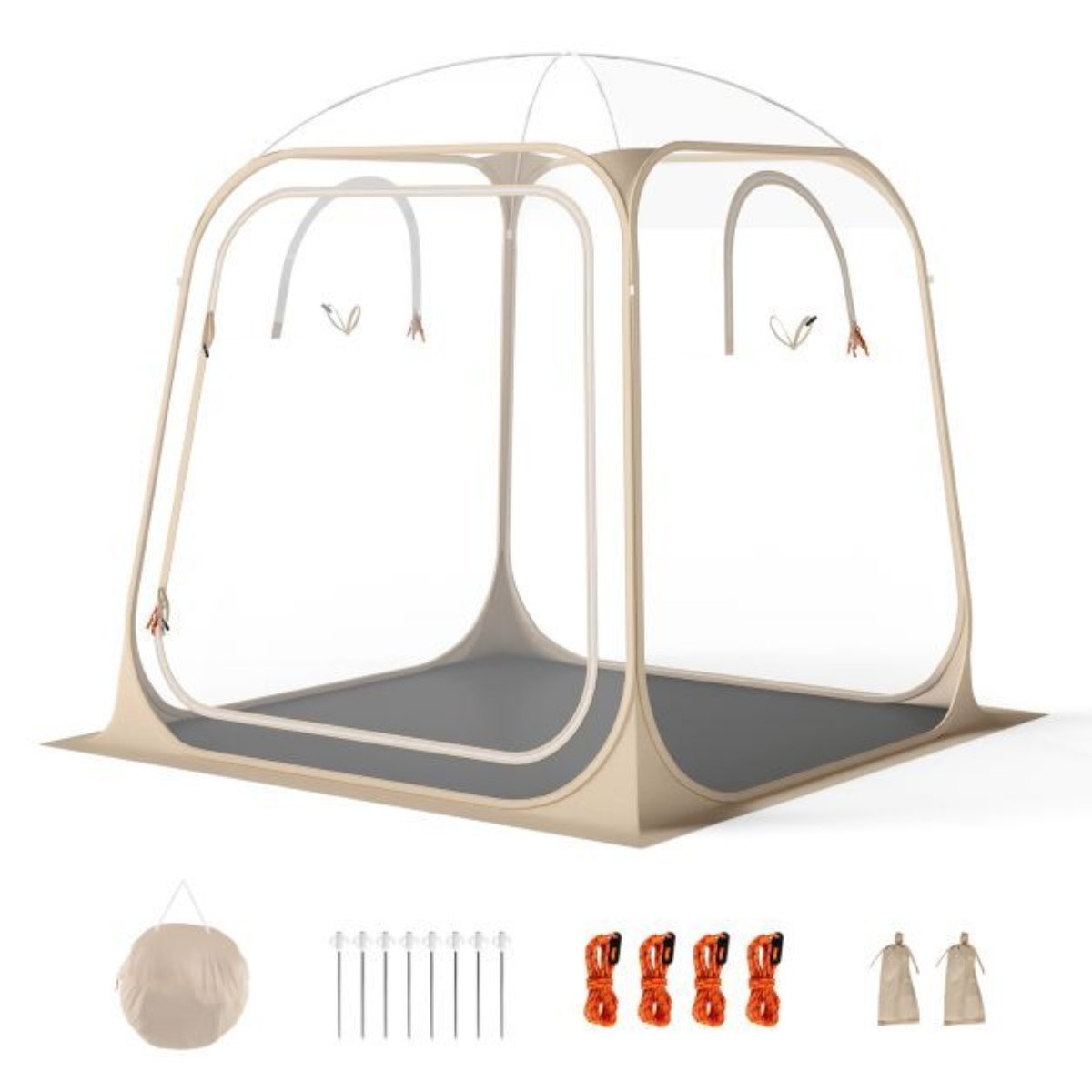
A sealed floor is the detail that separates this from a basic pop-up shelter: instead of a gap where insects and ground moisture get in, the floor and walls form one continuous waterproof unit. Setup and pack-down both work through the same pop-up mechanism, an easier system for a festival weekend than a proper dome tent’s pole-and-peg routine.
Reviews on this specific model are thin so far, and pop-up mechanisms in general trade some structural rigidity for that speed, meaning it handles a calm weekend better than a truly wild weather forecast. Fine for a festival or a quick weekend trip. Less fine for a week exposed to whatever a coastal front throws at it.
Pros
- Sealed floor keeps insects and ground moisture out
- Fast pop-up setup and pack-down, great for festivals
- Carry bag included for easy transport
Cons
- Less structurally rigid in truly severe weather than a pole-and-peg dome tent
- Limited independent review data on this specific model so far
Key specs: 2-4 person capacity; sealed floor; pop-up setup; carry bag included
CHECK CURRENT PRICE9. OZtrail Tasman 3 Person Dome Tent – Best Trusted AU Brand
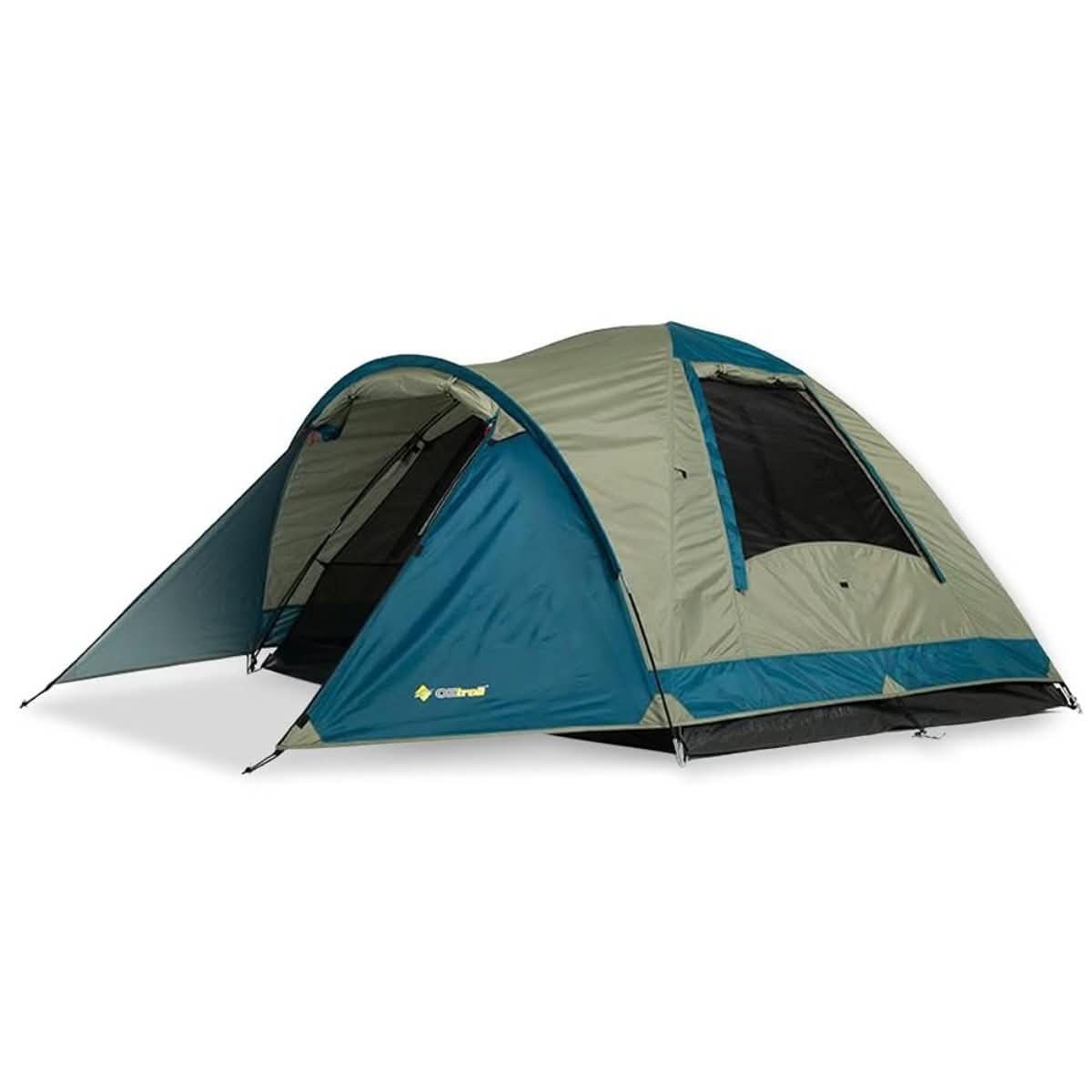
OZtrail is the brand most Australians already own a tent from, whether they remember buying it or inherited it from a parent’s garage. The Tasman is the brand’s entry-level 3-person dome, with front and rear D-doors for cross-ventilation and easy access from either end.
OZtrail’s wider range draws a real split in reviews on ProductReview.com.au: the budget Nomad hiking tent rates well for quick setup and water resistance, while pricier models like the High Tower have copped complaints about pooling water and cheap-feeling zips despite a much higher price tag. The Tasman sits closer to the well-reviewed end of that range, priced accordingly.
Pros
- Widely recognised, established AU brand with local retail support
- Front and rear doors for real cross-ventilation
- Priced at the well-reviewed end of OZtrail’s range
Cons
- OZtrail’s pricier models have documented waterproofing and zip complaints, even if this one sits apart from those
- 3-person capacity is tighter than the label suggests once gear is inside
Key specs: 3-person capacity; front and rear D-doors; dome design; established AU brand
CHECK ON AMAZON10. Coleman Instant Up Swagger Tent – Best Swag-Style Solo Camping
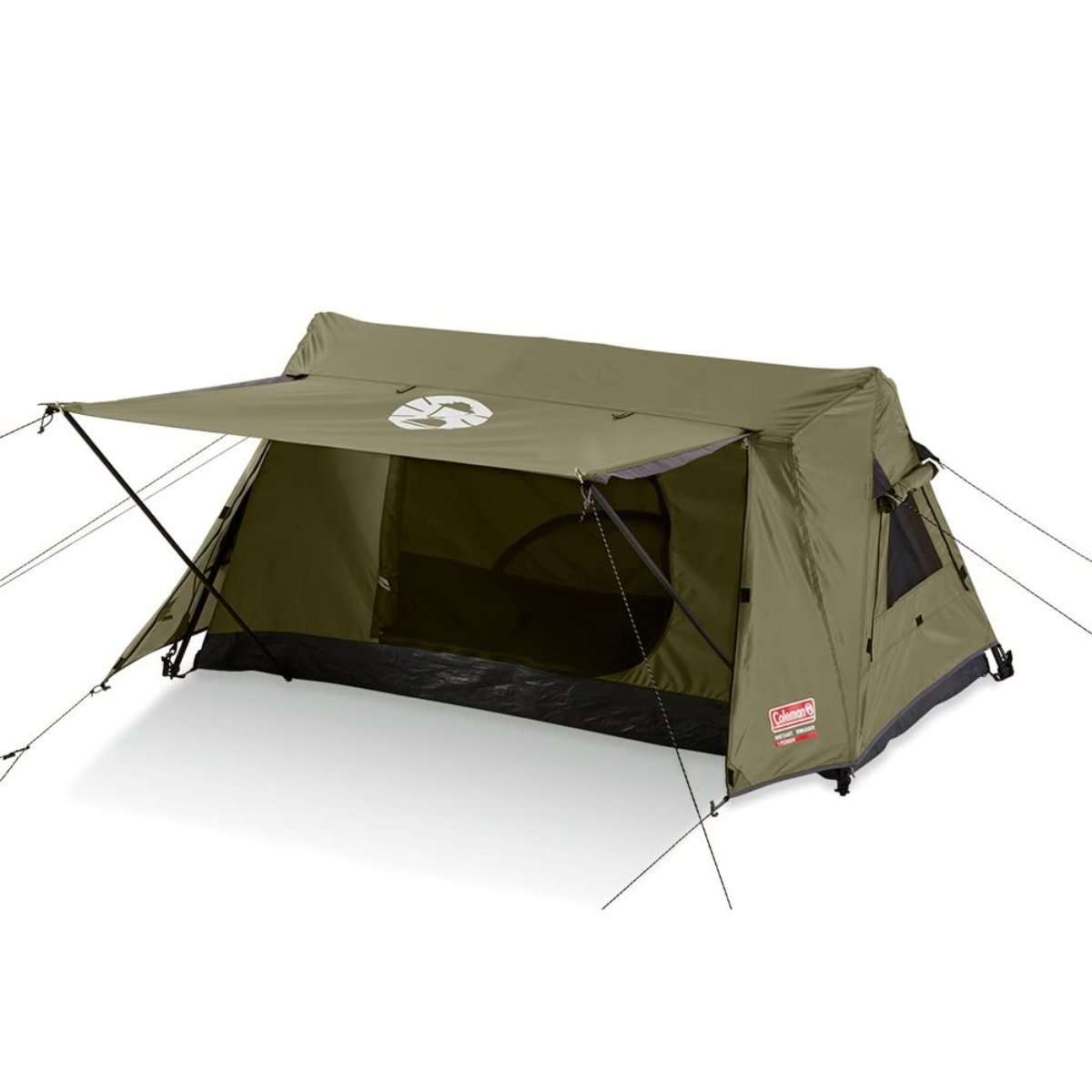
A swag is a distinctly Australian way to camp: a rugged, low-profile bedroll-tent hybrid built to survive being thrown in the back of a ute instead of folded carefully into a bag. Coleman’s take adds a dual instant spine hub for a proper tent’s weather protection without losing that swag-style simplicity.
Coleman’s broader tent range draws mixed reviews on ProductReview.com.au, with recurring complaints about zipper durability and patchy spare-parts support when something does fail. Their higher-rated cabin models suggest the brand does better at the family end than the swag-style end, worth knowing going in rather than assuming Coleman’s reputation applies evenly across the whole range.
Pros
- Distinctly Australian swag-style design suits ute and 4WD trips
- Dual instant spine hub adds weather protection over a traditional swag
- Waterproof and windproof rated for real outdoor use
Cons
- Coleman’s tent range has recurring zipper and spare-parts complaints in reviews
- Swag-style single-person design won’t suit anyone wanting to sit up fully inside
Key specs: 1/3-person swag-style; dual instant spine hub; waterproof and windproof; backpack-friendly
CHECK ON AMAZONHow to Choose
Waterhead rating and real rain protection. A 1000mm rating handles light rain and dew but struggles under sustained downpour. 1500mm is the realistic minimum for a proper wet-weather trip, and 2000-3000mm+ covers real Australian storm conditions. Check this figure specifically instead of trusting a generic “waterproof” label on the box.
Setup style: dome, instant pop-up or cabin. A dome tent balances speed and durability for most family camping. An instant pop-up trades some structural strength for a setup measured in seconds, better suited to a festival or beach day than a week exposed to weather. A cabin tent adds standing headroom and multiple rooms at the cost of packed size and weight, built for a site you can drive to rather than hike into.
Capacity labels versus real usable space. CHOICE’s own tent buying guide flags this directly: a tent labelled for four people rarely sleeps four comfortably once gear, shoes and a bit of elbow room get factored in. Size down your expectations by one or two people from the label when comparing capacity between picks.
UV protection and Australian sun. A UPF50+ rating matters more here than in most other camping markets, since a tent left pitched through a Queensland or Northern Territory summer degrades from UV exposure faster than from rain. Check the UPF figure specifically if the tent is going to spend real time in direct sun instead of just overnight shade.
Weight and pack size for hike-in versus drive-in camping. A cabin tent that’s a great fit for a caravan park site becomes a real burden on a two-kilometre walk to a bush camping spot. Match the tent’s packed weight to how far it actually has to be carried, not just to how many people need to fit inside it.
Warranty and after-sales support. None of the budget picks compared here come from a brand with a strong local service reputation, so a return usually means dealing with the original online storefront instead of a shopfront exchange. Established brands like OZtrail and Coleman have wider Australian retail support, though even they draw real complaints about spare-parts availability once something needs replacing.
You’ll Also Want
A tent handles the shelter side of camping; staying warm overnight is a separate problem. The OZtrail Kingsford -3C sleeping bag covers proper cold-weather camping without needing a second purchase for a different season.
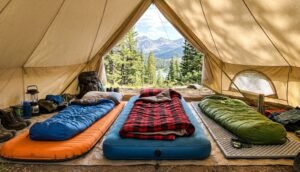
Ground insulation matters as much as the sleeping bag rating: a self-inflating camping mattress keeps cold ground from undoing all the sleeping bag’s work, and inflates without a separate pump.
Most campsites in Australia don’t come with power. A rechargeable camping lantern with a built-in power bank covers lighting and a phone charge from one device, without needing to run the car overnight just to keep a torch alive.
For spotting wildlife and taking in views from camp, our binoculars guide explains what numbers like 10×42 actually mean.
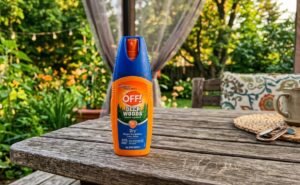
Keep bites down around the tent with an insect repellent that suits your skin and the conditions.
Frequently Asked Questions
What is the best tent in Australia for a family camping trip?
For most families, a dome or instant pop-up tent sized for six to eight people balances setup speed with real usable space, since a tent’s capacity label rarely matches real comfortable capacity once gear is packed in. Check the waterhead rating specifically if wet-weather camping is likely, since a cheap tent’s waterproof claim often means light rain resistance only.
How many people does an 8-person tent actually sleep comfortably?
Realistically closer to five or six adults once sleeping mats, bags and gear are factored in, according to CHOICE’s own testing guidance on tent capacity labels. A tent’s stated capacity generally assumes people lying shoulder to shoulder with no gear inside, which rarely reflects how a family actually packs a tent for a real trip.
What waterhead rating do I need for camping in Australia?
A 1500mm rating handles light-to-moderate rain, while 2000-3000mm or higher covers real storm conditions common across most of the Australian camping season. Check this figure on the specific tent instead of trusting a generic waterproof claim, since ratings vary significantly between similarly priced tents.
Do I need a UV-rated tent for Australian conditions?
A UPF50+ rating is worth prioritising if the tent will spend real time in direct sun, since Australian UV exposure degrades unprotected tent fabric faster than rain does over the same period. Overnight-only camping in shaded sites matters less for UV rating than an all-day beach shelter or an extended stay at an exposed site.
How long do budget tents last in Australia?
A basic budget tent used occasionally for weekend trips typically lasts one to three seasons before poles, zips or waterproofing start to fail, based on the pattern in verified buyer reviews across several brands in this category. Established brands with better UV and waterproof ratings tend to last longer, though price alone doesn’t guarantee durability.
Are instant pop-up tents as durable as traditional dome tents?
Generally no; instant pop-up tents trade some structural rigidity for setup speed, making them a better fit for short trips, festivals and calm weather than an extended stay exposed to serious wind or rain. A traditional dome or cabin tent with separate poles is usually the more durable choice for regular or harsh-weather camping.
Verdict
For most Australian families after one dependable pick, the Weisshorn Instant Up 8-Person Tent covers real sleeping capacity without a complicated setup. Anyone camping solo or chasing the lightest possible pack should look to the UST Bug Tent instead, and drivers wanting the most trusted name on the market are better served by the OZtrail Tasman dome tent.