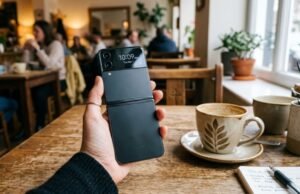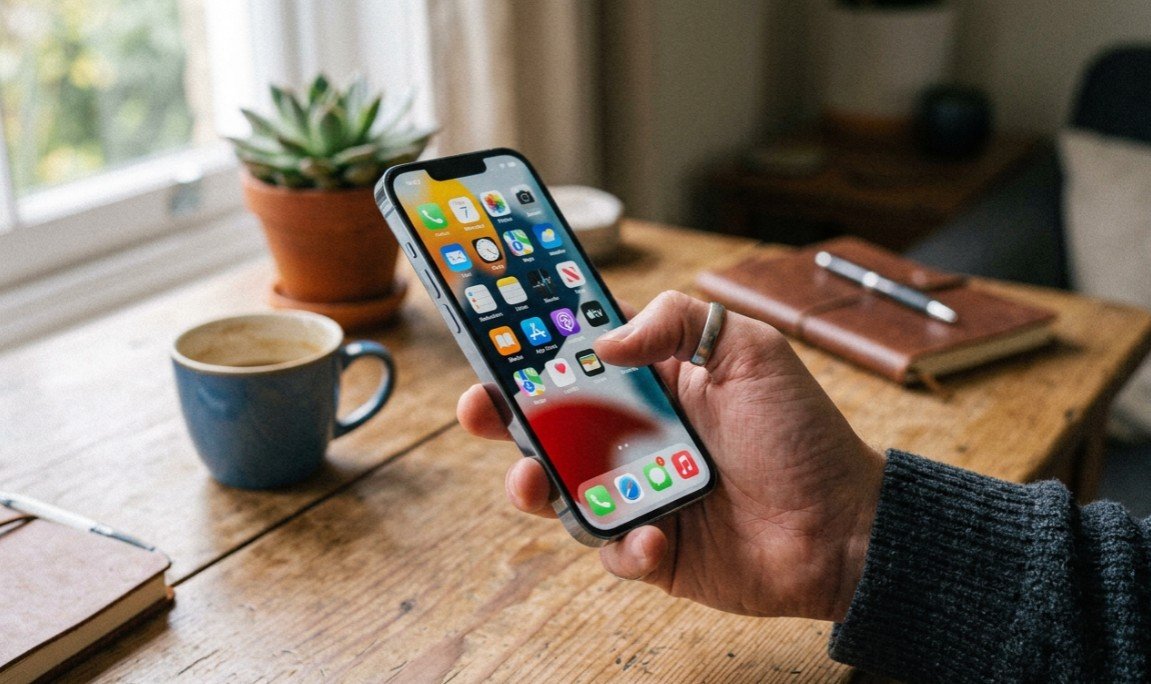
A refurbished phone is a used handset that a professional refurbisher has tested, repaired where needed, cleaned and resold with a warranty, which separates it from a private second-hand sale that carries no cover at all. The best refurbished phones Australia sells are graded on cosmetic condition rather than on how well they work, so a lower grade means visible marks on the case, not a handset that performs worse.
Stock is sorted into a small set of standard grades. Good phones show obvious scratches or dents but function correctly. Very Good units carry lighter marks that show up close. Excellent and As New devices look close to unused, with As New the highest tier most Australian sellers list. Open Box stock is different again: unused hardware whose packaging was opened, usually ex-display or a cancelled order.
The number worth checking first is battery health. Australian refurbishers certify a refurbished battery to a minimum of 80 per cent of its original capacity, and several sell the same model with a brand-new cell at full capacity for extra. After that the decisions that matter are the warranty length, whether the handset is carrier unlocked, and whether its 5G bands include n78 and n28, which Australian networks rely on most.
This guide compares ten refurbished handsets across every grade and size, from a 4.7-inch compact up to a foldable that opens to 7.92 inches and measures just 4.35 mm (0.17 inches) thick unfolded, with the warranty, battery promise and camera hardware set out for each. Anyone drawn to folding designs may also want to weigh the current flip phones in Australia before settling on a slab.
Quick Picks
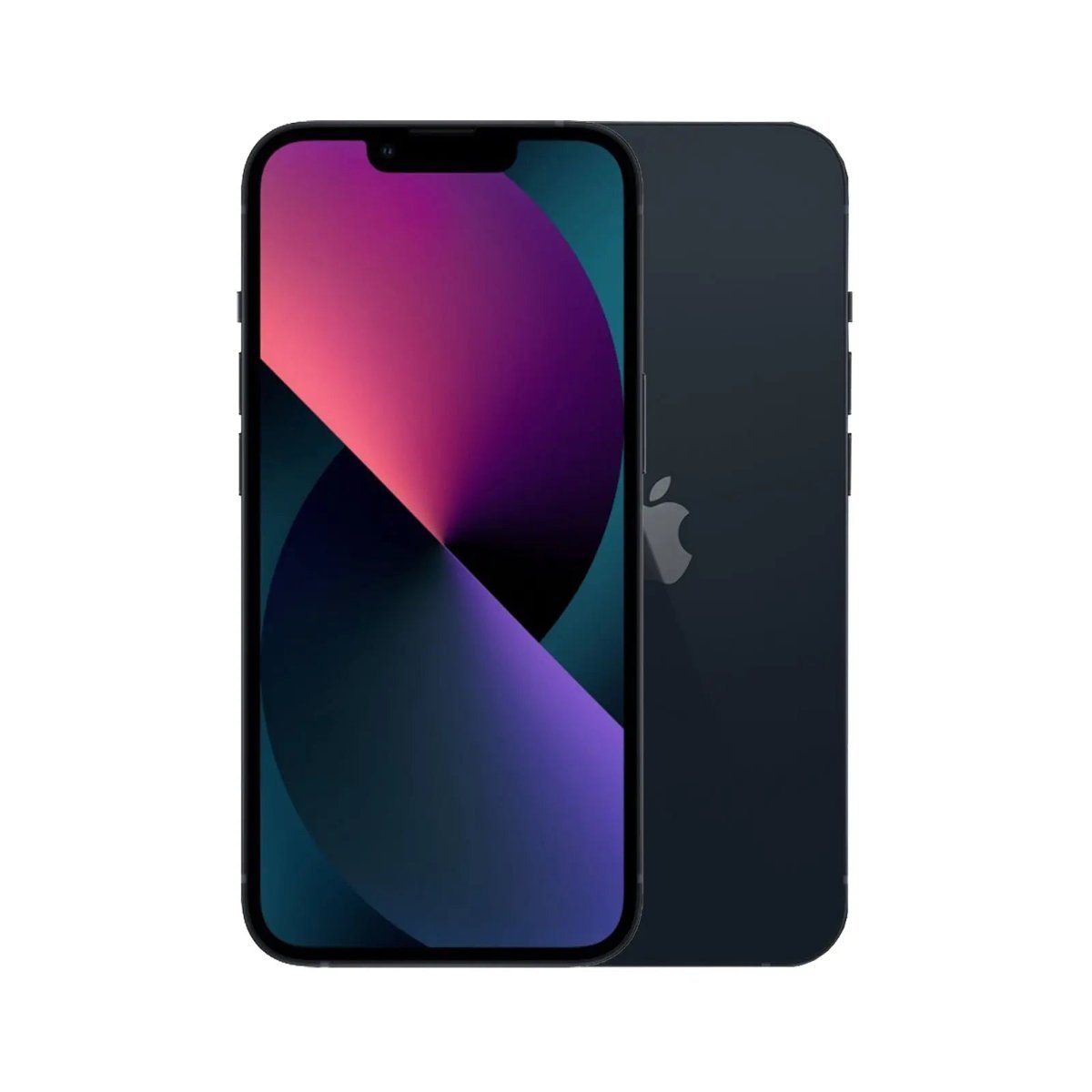
Apple iPhone 13
Current-feeling iOS hardware with the widest choice of grades, colours and storage tiers here.
CHECK CURRENT PRICE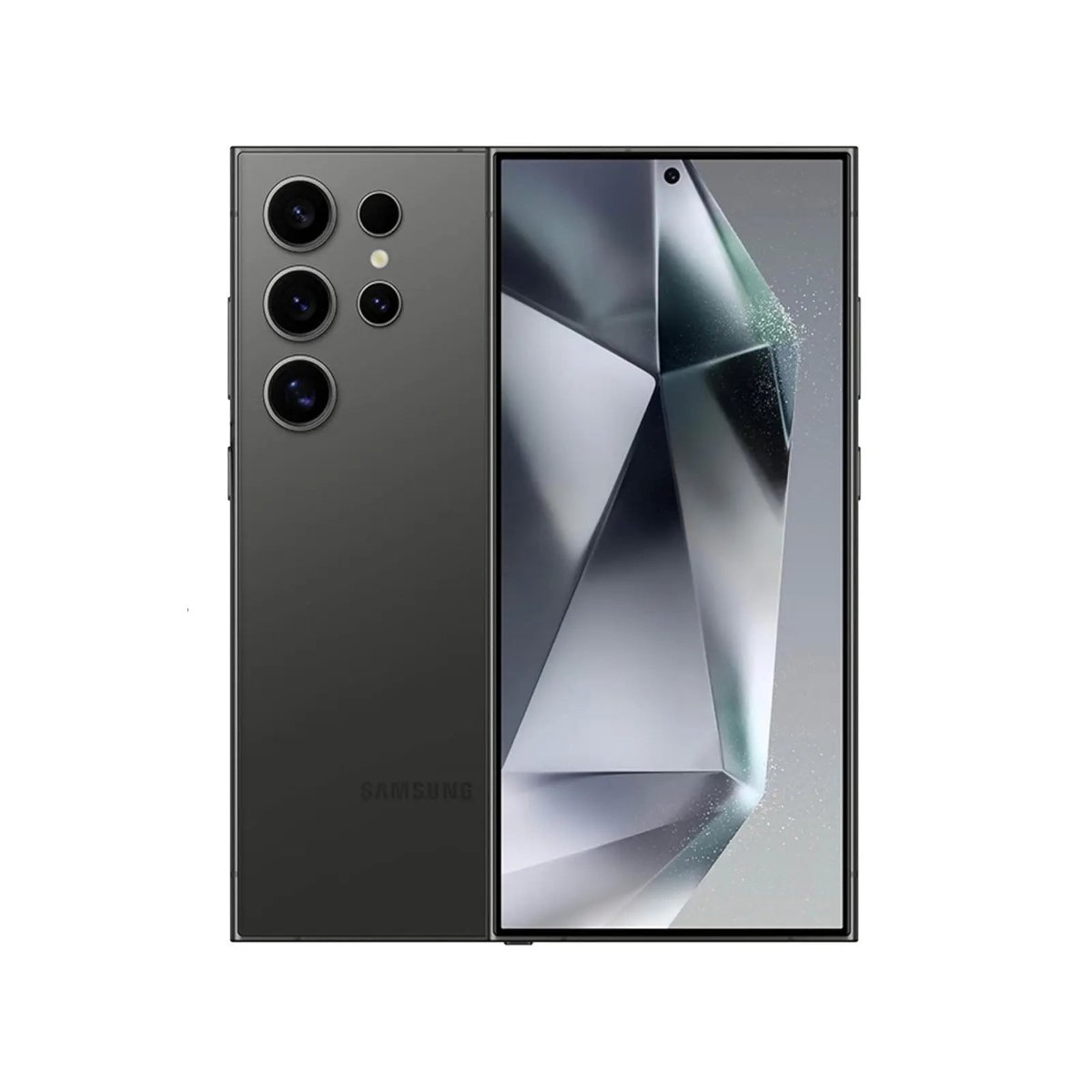
Samsung Galaxy S24 Ultra
Four rear cameras to 200MP and 8K video, with the longest rated battery life in this guide.
CHECK CURRENT PRICE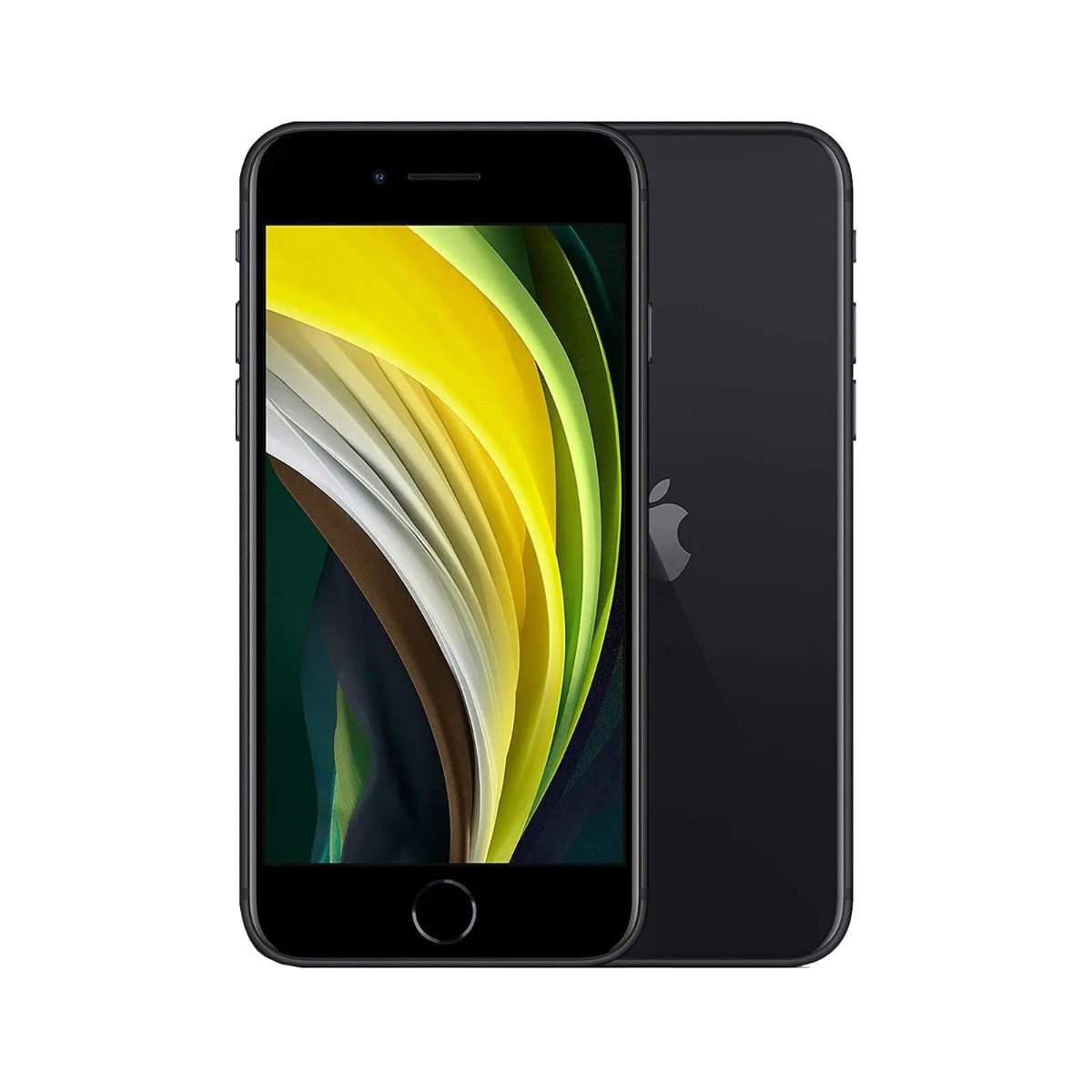
Apple iPhone SE (2020)
The only genuinely one-handed phone on the list, with Touch ID in the home button.
CHECK CURRENT PRICEBest Refurbished Phones Australia Compared
| Product | Link | Type | Best For | Key Spec |
|---|---|---|---|---|
| Apple iPhone 13 | Check price | Standard | Most buyers | 6.1-inch OLED, A15 Bionic |
| Samsung Galaxy S24 Ultra | Check price | Flagship | Zoom and video | 200MP main, 8K at 30fps |
| Apple iPhone 14 Pro | Check price | Pro | Years of iOS updates | ProMotion 120Hz, Always-On |
| Google Pixel 8 Pro | Check price | Flagship | Point-and-shoot photos | Tensor G3, 50MP triple camera |
| Samsung Galaxy Z Flip7 | Check price | Clamshell foldable | Pocketability | Folds to 13.7mm thick |
| Samsung Galaxy S23 | Check price | Standard | Compact Android | 6.1-inch, 120Hz AMOLED |
| Apple iPhone 11 | Check price | Older flagship | Cheap iPhone with a big screen | 6.1-inch LCD, six colours |
| Apple iPhone SE (2020) | Check price | Compact | Small hands and pockets | 4.7-inch, Touch ID |
| Honor Magic V3 | Check price | Book foldable | Tablet-sized screen in a pocket | 7.92-inch inner display, 4.35mm unfolded |
| Apple iPhone 8 | Check price | Older compact | Lowest possible entry price | 4.7-inch, A11 Bionic |
1. Apple iPhone 13 – Best for Most Buyers
The iPhone 13 uses a flat-edged aluminium frame with a Ceramic Shield front, and it carries an IP68 rating covering submersion to six metres (about 20 feet) for half an hour. Its 6.1-inch Super Retina XDR OLED panel peaks at 1,200 nits in HDR, bright enough to stay readable outdoors in summer.
Apple pairs the A15 Bionic six-core CPU with a four-core GPU and a 16-core Neural Engine, and that silicon still runs current iOS releases without strain. Rated video playback runs to 19 hours, and MagSafe charging tops up at 15W.
The dual 12MP main and ultra-wide setup leaves out the telephoto lens the Pro models carry, so distant subjects fall back on a digital crop. Buyers who want a current-feeling iPhone without flagship money get the widest choice of grades, colours and storage sizes here of anything in this guide.
Pros
- Peak brightness of 1,200 nits in HDR
- A15 Bionic still supported by current iOS
- IP68 rated to six metres for 30 minutes
- MagSafe wireless charging at 15W
- Widest spread of grades and storage tiers on this list
Cons
- No telephoto lens, so zoom is a digital crop
- Display is capped at 60Hz
- Lower cosmetic grades carry visible marks on the frame
Key specs: 6.1-inch Super Retina XDR OLED, A15 Bionic, dual 12MP wide and ultra-wide, up to 19 hours video playback, IP68, MagSafe 15W
CHECK CURRENT PRICE2. Samsung Galaxy S24 Ultra – Best for Camera Range
A 6.8-inch Dynamic AMOLED 2X panel anchors this one, running 3120 x 1440 and shifting up to 120Hz. It is the largest screen in the guide, and the deca-core processor clocks to 3.39GHz.
Four rear cameras cover 200MP, 50MP, 12MP and 10MP, which gives real optical reach rather than a cropped approximation, and video records up to 8K at 30fps. A 12MP front camera and Wi-Fi 7 round out a specification that still reads as current.
Battery capacity sits at 5,000mAh with up to 30 hours of rated video playback, the longest figure here. The size that makes the camera system possible also makes it a two-handed phone, so anyone after something pocketable should look further down this list.
Pros
- Four rear cameras topping out at 200MP
- 8K video capture at 30fps
- Largest display here at 6.8 inches
- Up to 30 hours rated video playback
- Wi-Fi 7 and Bluetooth 5.3
Cons
- Too large to use comfortably one-handed
- Sits at the premium end of this guide
- Quad HD+ at 120Hz draws heavily on the battery
Key specs: 6.8-inch Dynamic AMOLED 2X at 3120 x 1440, up to 120Hz, 200MP + 50MP + 12MP + 10MP rear, 12MP front, 5,000mAh, Wi-Fi 7
CHECK CURRENT PRICE3. Apple iPhone 14 Pro – Best for Long-Term iOS Support
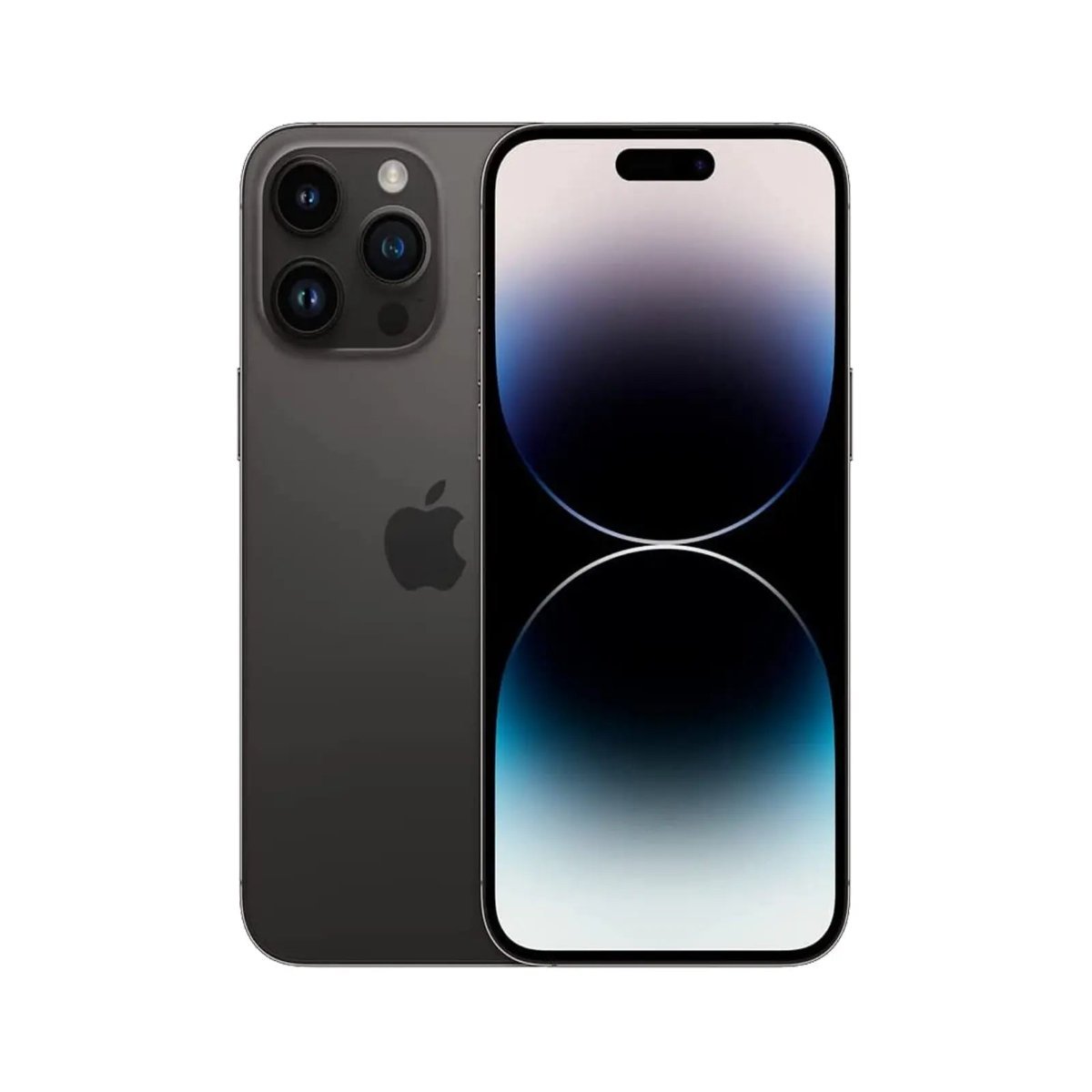
Apple moved the front sensors into a pill-shaped cutout on this generation and built the Dynamic Island interface around it. The 6.1-inch Super Retina XDR panel resolves 2556 x 1179 at 460 pixels per inch, the sharpest figure in this guide.
ProMotion varies the refresh rate adaptively up to 120Hz, which makes scrolling noticeably smoother than the standard iPhone 13 above, and the Always-On display keeps the clock and widgets visible. Rated video playback reaches 23 hours.
Being two generations newer than the iPhone 13 buys several extra years of iOS updates, which matters more on a refurbished purchase than on a new one. It costs more than the standard model for gains that are real but incremental.
Pros
- ProMotion adaptive refresh up to 120Hz
- Sharpest panel here at 460 pixels per inch
- Always-On display
- Longer iOS update runway than the iPhone 13
- IP68 rated to six metres
Cons
- Priced above the standard iPhone 13
- Heavier than the non-Pro model
- Dynamic Island takes some adjusting to
Key specs: 6.1-inch Super Retina XDR OLED at 2556 x 1179, 460ppi, ProMotion to 120Hz, Always-On display, up to 23 hours video playback, IP68
CHECK CURRENT PRICE4. Google Pixel 8 Pro – Best for Computational Photography
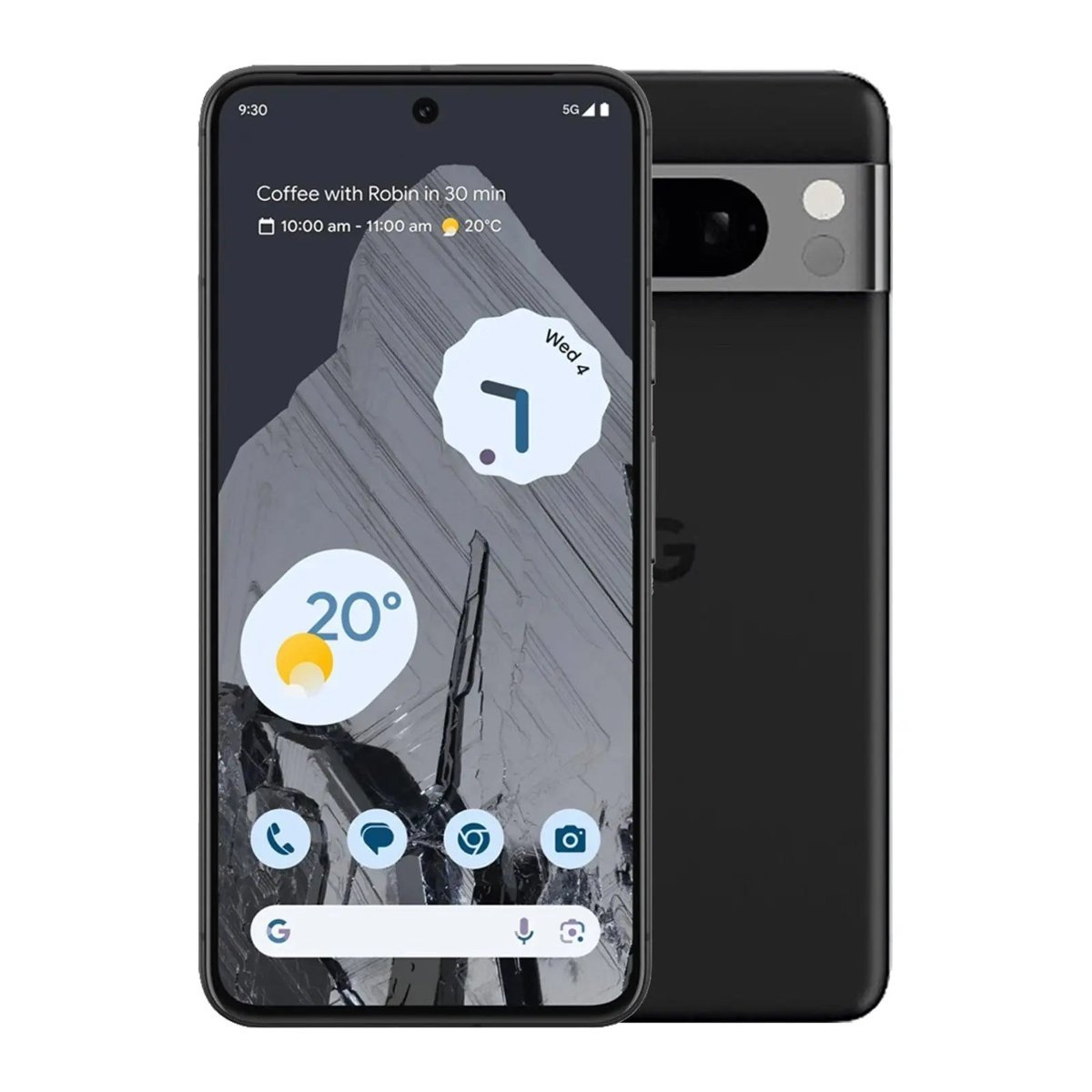
Google builds this handset around its own Tensor G3 chip, which is tuned for on-device photo and video processing rather than raw benchmark scores. A polished aluminium frame and matte back glass sit over a 6.7-inch AMOLED display, and the body uses recycled materials.
The triple rear camera runs 50MP, 48MP and 48MP with a 10.5MP front sensor, and the processing does most of the work: exposure, skin tones and low light come out usable without any manual adjustment. A 5,050mAh battery backs it up.
Where the Galaxy above wins on optical reach, this one wins on getting a good photo without thinking about it. Buyers who want a phone that handles the camera decisions for them will get more out of this than out of a longer zoom.
Pros
- Tensor G3 tuned for on-device image processing
- Triple 50MP, 48MP and 48MP rear camera
- 6.7-inch AMOLED display
- 5,050mAh battery
- Built partly from recycled materials
Cons
- Tensor chips trail rivals on raw benchmark performance
- Large body, awkward one-handed
- Shorter optical zoom reach than the Galaxy S24 Ultra
Key specs: 6.7-inch AMOLED, Google Tensor G3, 50MP + 48MP + 48MP rear, 10.5MP front, 5,050mAh, Android 14
CHECK CURRENT PRICE5. Samsung Galaxy Z Flip7 – Best Compact Foldable
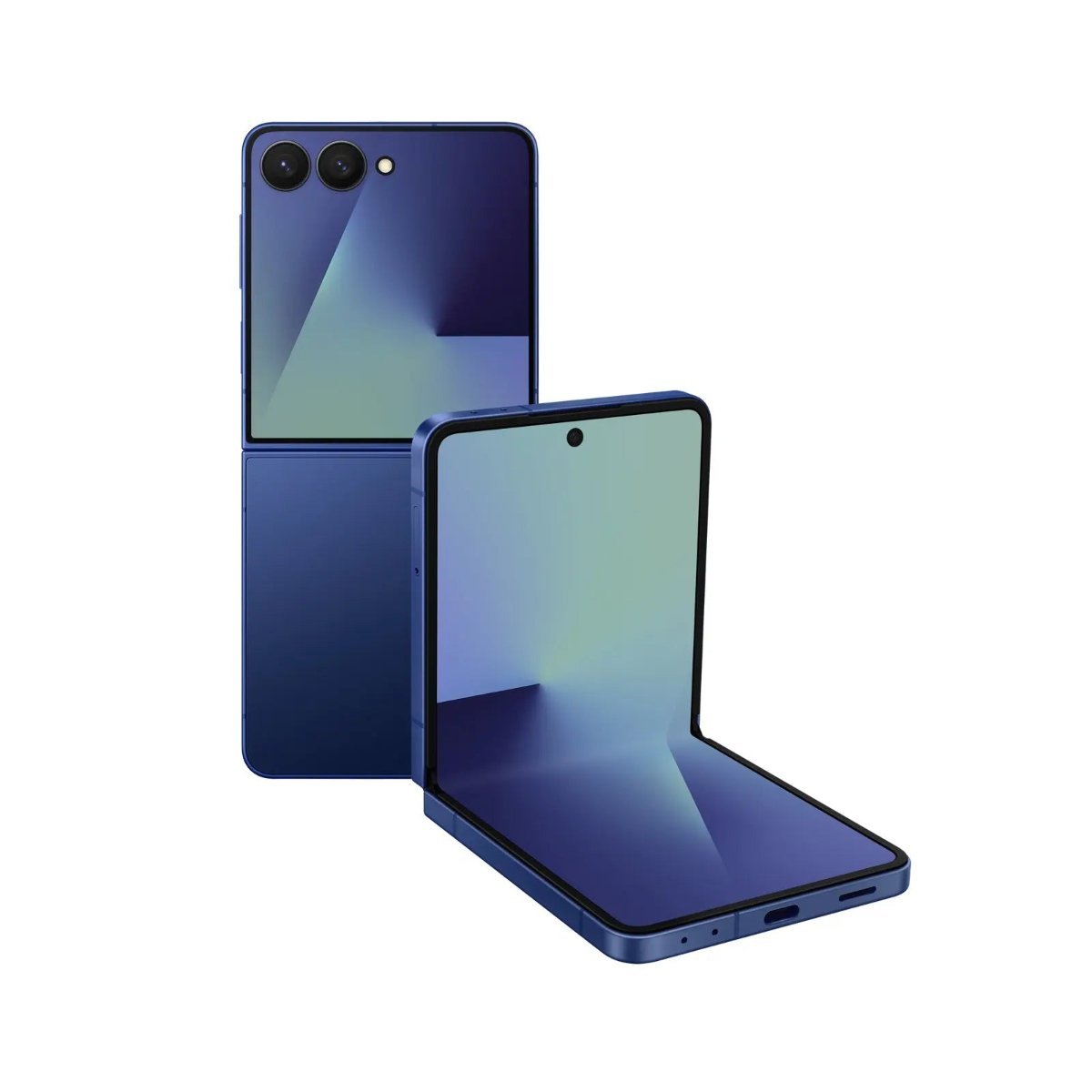
Folded, this phone measures 85.5 x 75.2 x 13.7 mm and drops into a pocket that a 6.8-inch slab will not. Open it and the foldable Dynamic LTPO AMOLED 2X stretches to 6.9 inches at 1080 x 2520, running 120Hz with HDR10+ and peaking at 2,600 nits.
Samsung wraps it in an armour aluminium frame with Gorilla Glass Victus 2 on the back, and the whole thing weighs 188 grams (about 6.6 ounces). It ships on Android 16 with One UI 8 and is rated for up to seven major Android upgrades, an unusually long runway for a refurbished buy.
The IP48 rating covers water immersion to 1.5 metres but only resists dust particles above 1mm, so beach and worksite use asks for more care than an IP68 phone. The trade for that is a full-size screen that halves its footprint.
Pros
- Folds to a 85.5 x 75.2 mm footprint
- 6.9-inch 120Hz foldable panel at 2,600 nits peak
- Rated for up to seven major Android upgrades
- Light at 188 grams
- Gorilla Glass Victus 2 and armour aluminium frame
Cons
- IP48 resists dust only above 1mm, unlike IP68 rivals
- Crease down the centre of the folding panel
- Clamshell foldables carry a price premium over slab phones
Key specs: 6.9-inch foldable Dynamic LTPO AMOLED 2X, 1080 x 2520, 120Hz, 2,600 nits peak, folded 85.5 x 75.2 x 13.7 mm, 188 g, IP48, Android 16
CHECK CURRENT PRICE6. Samsung Galaxy S23 – Best Small Android
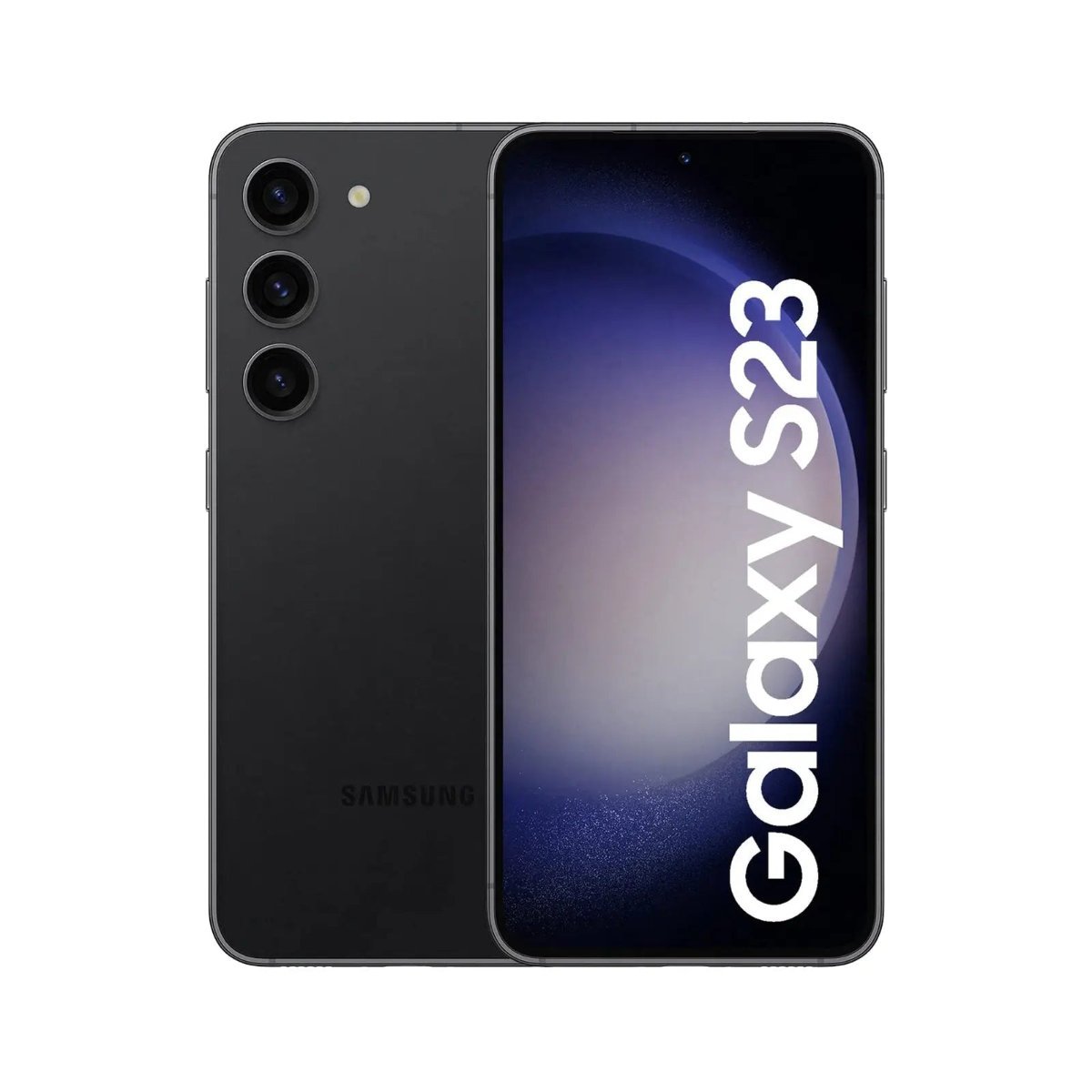
At 6.1 inches, this is the Android answer for anyone who finds current flagships unwieldy. The Dynamic AMOLED 2X panel resolves 2340 x 1080 and still runs at up to 120Hz, so nothing about the smaller size feels like a downgrade in daily use.
An octa-core processor clocked to 3.36GHz drives a 50MP, 10MP and 12MP rear array with a 12MP front camera, and video goes to 8K at 30fps. That is the same headline video capability as the far larger Galaxy above.
Shrinking the body costs battery: 3,900mAh returns up to 22 hours of rated video playback against the S24 Ultra 30. Anyone willing to charge more often in exchange for a phone that works one-handed is making a fair trade.
Pros
- Genuinely compact at 6.1 inches
- 120Hz Dynamic AMOLED 2X
- 8K video at 30fps
- Works comfortably one-handed
- Wi-Fi 6 and Bluetooth 5.3
Cons
- 3,900mAh is the smallest battery among the Android picks
- Up to 22 hours video playback trails the larger Galaxy
- Shorter optical zoom than the Ultra
Key specs: 6.1-inch Dynamic AMOLED 2X at 2340 x 1080, up to 120Hz, 50MP + 10MP + 12MP rear, 12MP front, 3,900mAh, Wi-Fi 6
CHECK CURRENT PRICE7. Apple iPhone 11 – Best Low-Cost iPhone
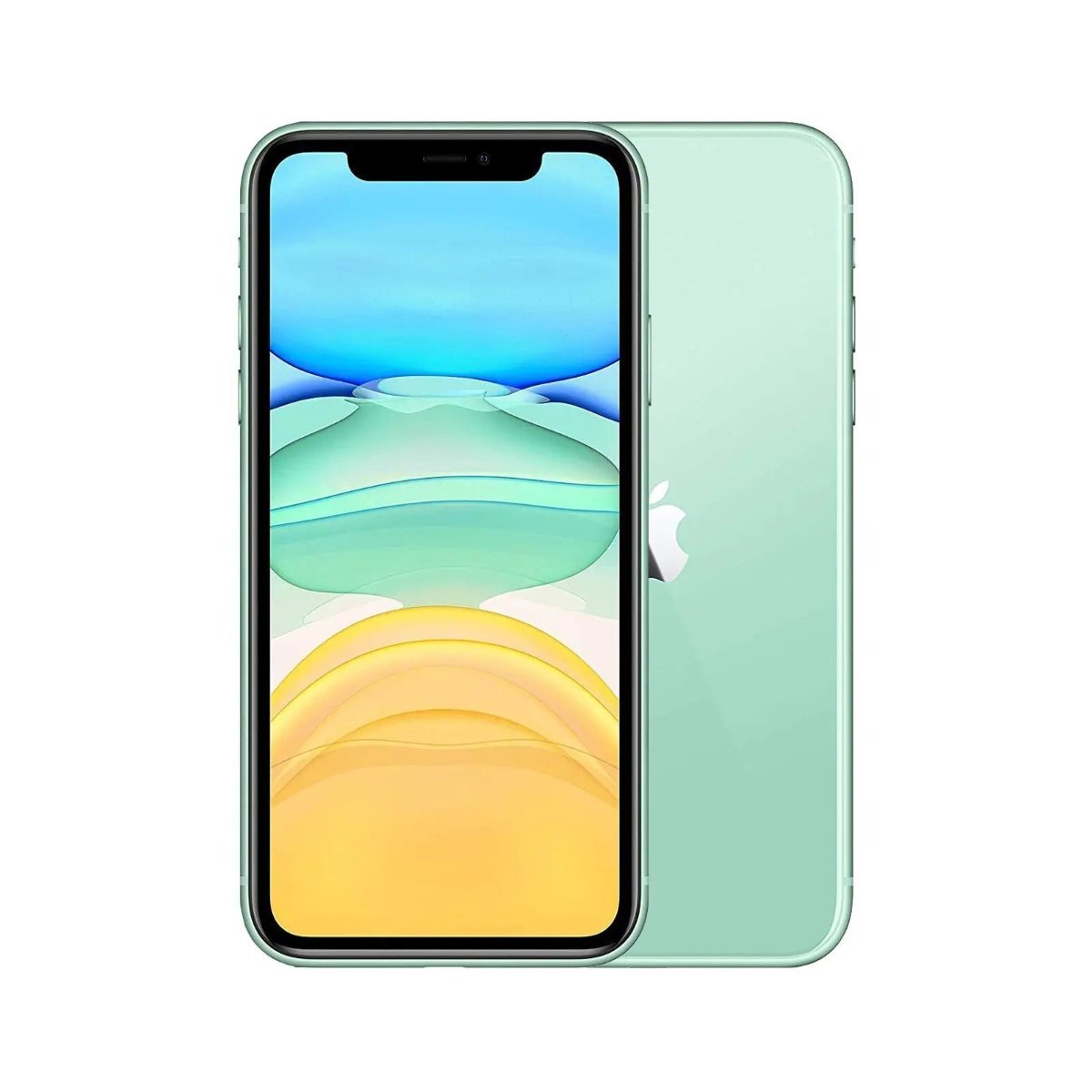
Glass front and back sit over a 7000-series aluminium frame here, and the 6.1-inch Liquid Retina HD panel is an IPS LCD rather than OLED, resolving 1792 x 828 at 326 pixels per inch. Six finishes were sold, so refurbished stock turns up in black, green, yellow, purple, red and white.
The body measures 150.9 x 75.7 x 8.3 mm and weighs 194 grams (about 6.8 ounces), which makes it one of the chunkier phones here. Water resistance is IP68 but only to two metres for 30 minutes, a third of the depth the iPhone 13 handles.
Blacks look grey next to any OLED phone on this list, and that is the clearest sign of its age. It remains the cheapest route to a full-size iPhone screen, and it still receives security patches.
Pros
- Cheapest full-size iPhone in the guide
- Six colour finishes in circulation
- IP68 water resistance
- Still receiving Apple security updates
- Aluminium and glass build
Cons
- LCD panel, so blacks look grey beside OLED rivals
- IP68 only to two metres, not six
- Heavy at 194 grams
- No longer receives major iOS feature updates
Key specs: 6.1-inch Liquid Retina HD LCD at 1792 x 828, 326ppi, 150.9 x 75.7 x 8.3 mm, 194 g, IP68 to two metres
CHECK CURRENT PRICE8. Apple iPhone SE (2020) – Best for One-Handed Use
This is the smallest handset in the guide, built on the old 4.7-inch Retina HD body with a Touch ID sensor in the home button. That fingerprint reader is the reason a lot of buyers still seek this model out, since every other phone here uses face or side-mounted recognition.
Apple dropped the A13 Bionic into that small shell, the same generation of chip that ran the iPhone 11, so it handles everyday apps without complaint. The single 12MP wide camera shoots 4K video at up to 60fps.
One camera, an LCD panel and a battery sized for a 4.7-inch phone are the compromises, and none of them are hidden. For someone who wants a phone that genuinely works in one hand, or a first phone for a child, nothing else on this list is close.
Pros
- Smallest and lightest phone in the guide
- Touch ID fingerprint sensor in the home button
- A13 Bionic handles everyday apps
- 4K video at up to 60fps
- Lowest entry price in this guide
Cons
- Single rear camera with no ultra-wide
- 4.7-inch LCD looks dated
- Small battery needs charging more often
Key specs: 4.7-inch Retina HD LCD, A13 Bionic, single 12MP wide camera, 4K video to 60fps, Touch ID home button
CHECK CURRENT PRICE9. Honor Magic V3 – Best Large-Screen Foldable
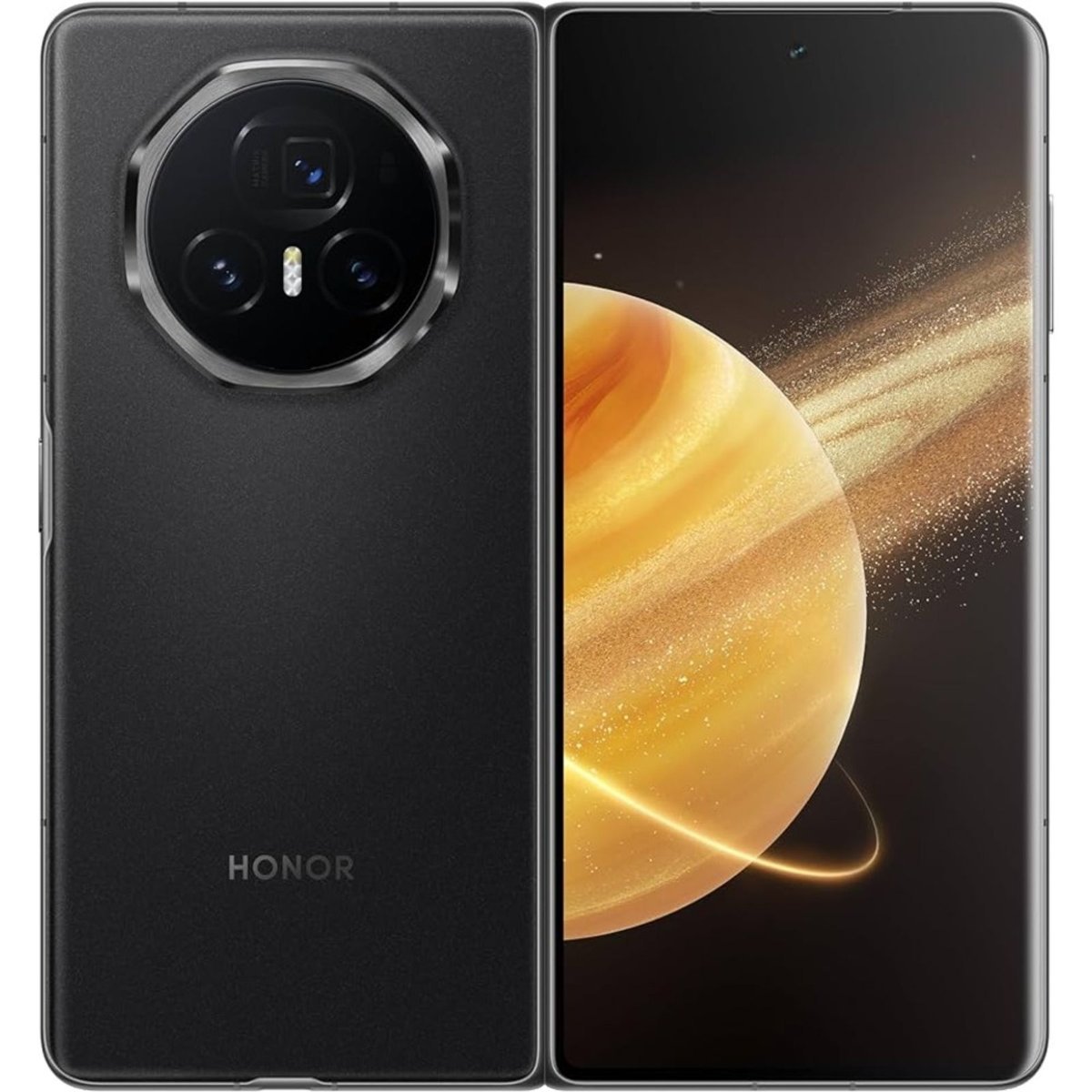
Opened out, the Magic V3 gives a 7.92-inch foldable LTPO AMOLED at 2156 x 2344, and closed it still offers a 6.43-inch LTPO OLED cover screen that peaks at 5,000 nits. Unfolded it is 4.35 mm thick (about 0.17 inches), folded 9.2 mm, at 226 grams.
A Snapdragon 8 Gen 3 runs alongside 12GB of RAM and 512GB of UFS 4.0 storage. The rear camera pairs a 50MP wide with a 50MP periscope telephoto at 3.5x optical zoom and a 40MP ultra-wide, and the 5,150mAh silicon-carbon battery takes 66W wired or 50W wireless charging.
Its 5G band support includes n78 and n28, the bands Australian networks lean on most, which is worth checking on any imported foldable. IPX8 covers water to 2.5 metres but carries no dust rating at all, so sand and grit need avoiding.
Pros
- 7.92-inch inner display with a 6.43-inch cover screen
- Only 4.35 mm thick unfolded
- 3.5x optical periscope zoom
- 66W wired and 50W wireless charging
- Supports 5G bands n78 and n28 used in Australia
Cons
- IPX8 covers water but gives no dust protection rating
- Most expensive phone in this guide
- Single unit in stock at the time of writing
Key specs: 7.92-inch foldable LTPO AMOLED, 6.43-inch cover display, Snapdragon 8 Gen 3, 12GB RAM, 512GB, 50MP + 50MP periscope + 40MP, 5,150mAh, 226 g, IPX8
CHECK CURRENT PRICE10. Apple iPhone 8 – Best Ultra-Budget Entry
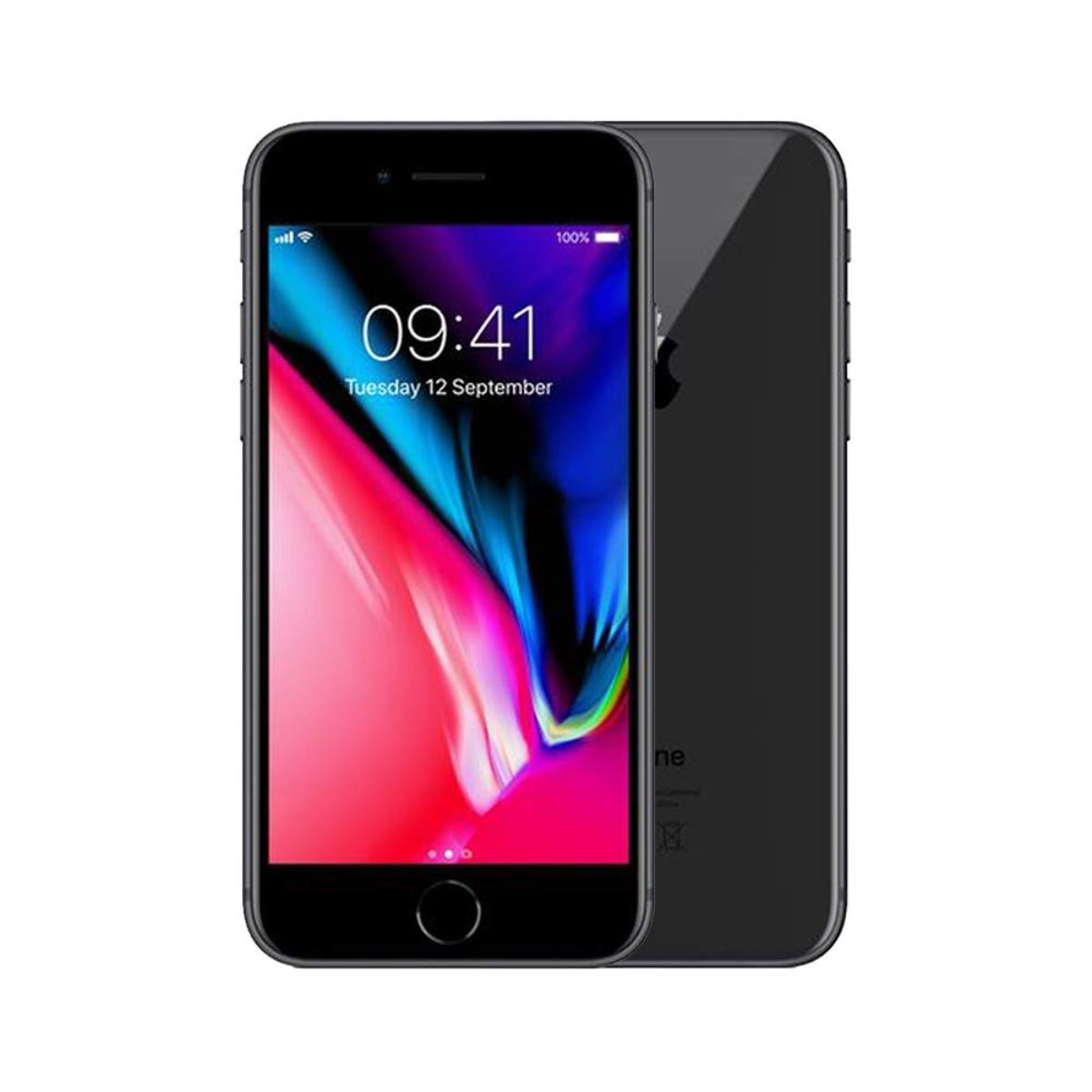
Apple’s last home-button flagship still covers the basics, with a 4.7-inch Retina HD display, an A11 Bionic chip and a single 12MP rear camera. Glass on the back means it takes wireless charging, which the aluminium-backed iPhones of the same era did not.
The listing grades it as Good condition, which the seller defines as light but obvious scratches or dings visible on the screen and body. Each unit passes 70 hardware and software tests, ships with a 12-month warranty and a 30-day returns window, and carries a battery holding at least 80 per cent of its original capacity.
Apple stopped issuing major iOS updates for it after iOS 16, so it will not gain new features and its security patch window is finite. As a spare handset, a first phone for a child or a way into a warranted device for the least money, it still does the job.
Pros
- Among the least expensive picks in this guide
- Wireless charging thanks to the glass back
- 12-month warranty and 30-day returns
- Battery certified to at least 80 per cent capacity
- Backed by more than 400 buyer reviews
Cons
- No longer receives major iOS updates beyond iOS 16
- Good grade means visible scratches on screen and body
- Single rear camera and a dated 4.7-inch LCD
- Listing specifications on the product page are partly inaccurate
Key specs: 4.7-inch Retina HD display, A11 Bionic, single 12MP rear camera, wireless charging, Good cosmetic grade, 12-month warranty
CHECK ON AMAZONHow to Choose a Refurbished Phone in Australia
Start with the grade, not the discount. Grades describe appearance only, so a Good handset runs exactly like an As New one of the same model and costs noticeably less. If the phone lives in a case, paying up for a flawless finish buys very little; if it will be sold on again in two years, the higher grade holds its value better.
Read what the battery promise actually says. A minimum of 80 per cent of original capacity is the standard floor, which means a three-year-old handset can arrive at exactly that figure and still meet the listing. Sellers offering a brand-new cell state it plainly, and it is worth the extra on any phone being kept for years. Buyers who are heavy on their batteries often pair a phone with one of the better portable power stations for longer trips away from a socket.
Confirm the handset is carrier unlocked. Refurbished stock sometimes originates overseas on a carrier contract, and a locked device will only accept SIMs from that network. Australian refurbishers generally state unlocked status in the listing, and anything silent on the point deserves a direct question before purchase.
Match the 5G bands to Australian networks. This is where imported stock most often disappoints. A phone sold as 5G in North America may only carry bands such as n41 and n71, neither of which delivers 5G here, so check the listing specifies n78 and ideally n28 before buying.
Weigh the warranty and the returns window together. Twelve months of warranty with 30 days to change your mind is the benchmark among established Australian refurbishers. The returns window matters most, because cosmetic grading is subjective and a phone that looked acceptable in photographs may not be in the hand.
Work out how many years of updates are left. This is the single factor most buyers overlook. An iPhone 8 stopped receiving major iOS releases after iOS 16, while a Galaxy Z Flip7 is rated for up to seven major Android upgrades from launch, so check the manufacturer’s stated support window for the exact model before committing.
Frequently Asked Questions
Are refurbished phones worth buying in Australia?
For most buyers, yes. A refurbished handset from an established Australian refurbisher is tested, repaired where needed and sold with a warranty, which a private second-hand sale does not offer. The saving against a new phone of the same model is usually substantial, and the main compromise is cosmetic wear rather than function.
What do the refurbished grades actually mean?
Grades describe appearance, not performance. Good means obvious scratches or dents are visible, Very Good means lighter marks that show up close, and Excellent or As New means the phone looks close to unused. A Good phone and an As New phone of the same model perform identically.
Do refurbished phones come with a warranty?
Established Australian refurbishers typically include a 12-month warranty covering hardware faults, including the battery, along with a returns window of around 30 days. Warranty length varies between sellers, so it is worth confirming on the individual listing rather than assuming.
Will a refurbished phone work on Telstra, Optus and Vodafone?
It will if the handset is carrier unlocked and supports the right bands. Phones sold by Australian refurbishers are generally unlocked and band-compatible. Imported stock is the risk, particularly North American models whose 5G bands do not match Australian networks.
How long will the battery last on a refurbished phone?
Refurbishers certify batteries to a minimum of 80 per cent of original capacity, so expect somewhat shorter runtime than a new handset of the same model. Several sellers offer the option of a brand-new battery at full capacity, which is worth considering on any phone intended to last several years.
Are refurbished phones covered by Australian Consumer Law?
Yes. Consumer guarantees apply to refurbished goods bought from a business in Australia, and they operate alongside any warranty the seller offers. Goods must be of acceptable quality given their age, price and the condition disclosed at the time of sale.
Verdict
The Apple iPhone 13 is the pick that suits the widest range of buyers, with a bright 1,200-nit panel, a chip still supported by current iOS and the deepest choice of grades and storage on this list. Anyone who wants the camera hardware to do the heavy lifting should take the Samsung Galaxy S24 Ultra for its 200MP main sensor and genuine optical reach, while the Apple iPhone SE from 2020 remains the only pick here that works properly in one hand.