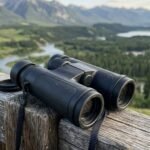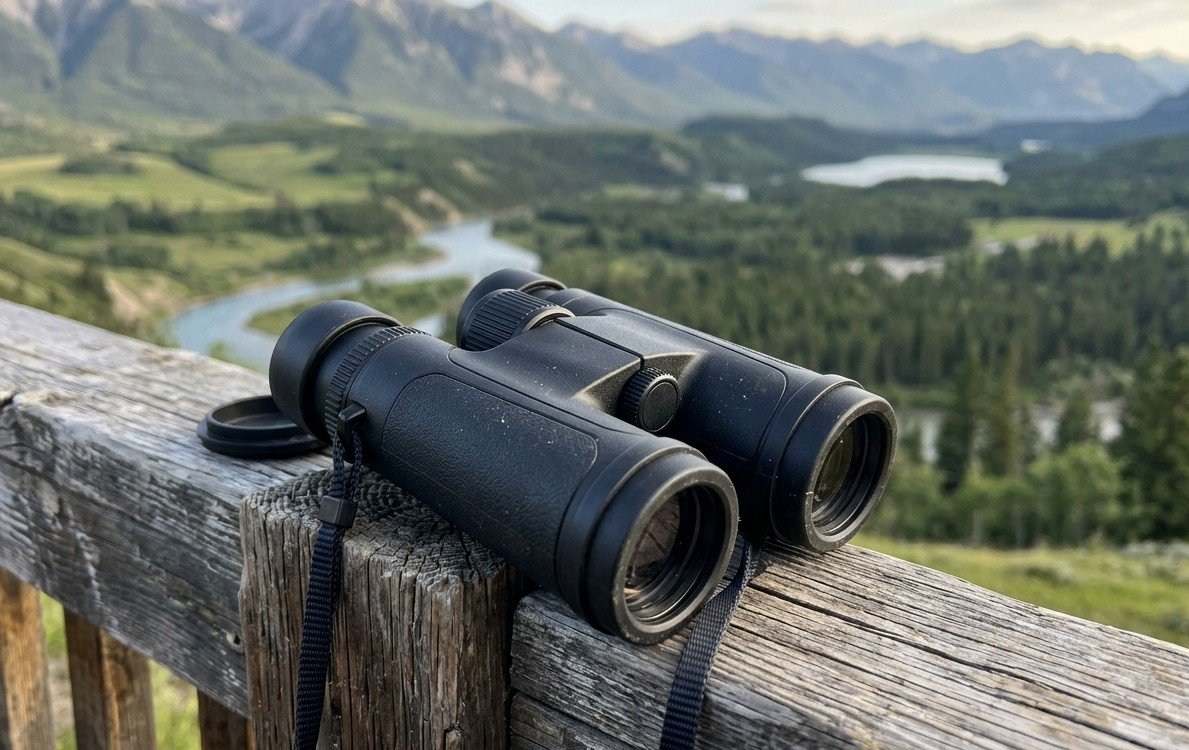
Every pair of binoculars is labelled with two numbers separated by an x, like 10×42 or 8×32, and that spec tells most of the story before price or brand even come into it: the first number is magnification, the second is the objective lens diameter in millimetres, which governs how much light reaches the eye and how bright the image stays in low light. The best binoculars in Australia are chosen by matching that spec to the actual use case, since a pair built for long-range hunting is the wrong tool for compact travel use, and the reverse is just as true.
Binoculars sold in Australia generally split by use case: compact travel binoculars with smaller objective lenses for portability, general-purpose binoculars around 8×42 or 10×42 for hunting and birdwatching, waterproof marine binoculars rated for wet conditions on or near water, and high-magnification binoculars above 12x or 15x for long-range glassing in low light.
A 10×42 pair magnifies ten times with a 42mm objective lens, a genuine middle-ground spec that suits most general outdoor use without the shake sensitivity higher magnification introduces when handheld. Field of view, close focus distance, and whether the pair is genuinely waterproof and fogproof, not just water-resistant, matter as much as the magnification number on the box.
This guide compares five binoculars available to Australian buyers, from a true budget compact pair through to a premium rangefinder combo. Anyone shopping for other outdoor optics at the same time should also see this site’s guide to the best travel cameras in Australia for capturing what the binoculars find.
Quick Picks
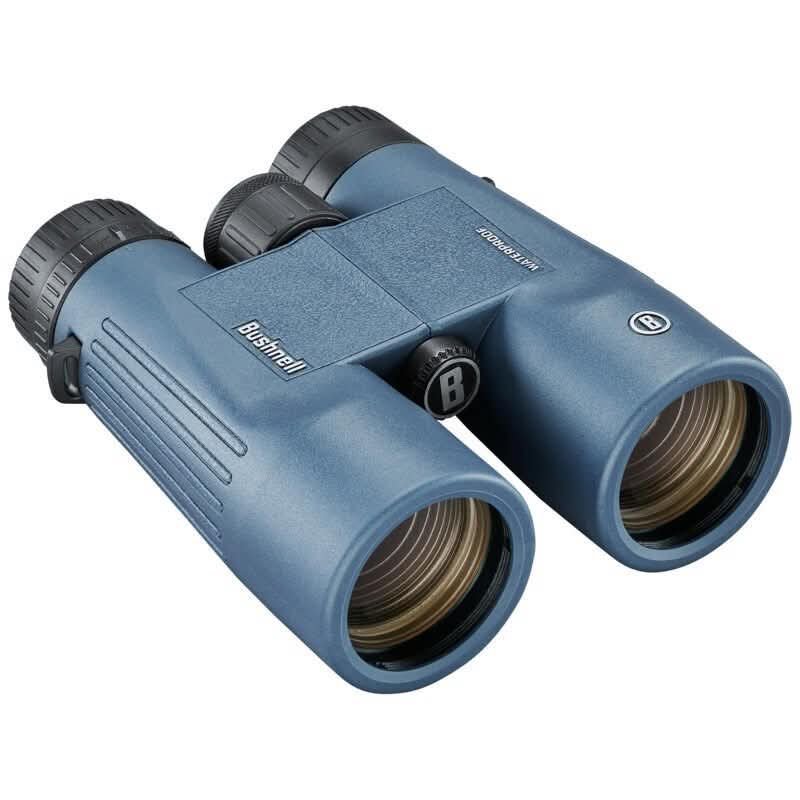
Bushnell H2O 8×42 Binoculars
The H2O is built around an aircraft-aluminium chassis wrapped in a rubber shell, rated IPX7 for full submersion to one metre for thirty minutes rather than just splash resistance.
CHECK CURRENT PRICE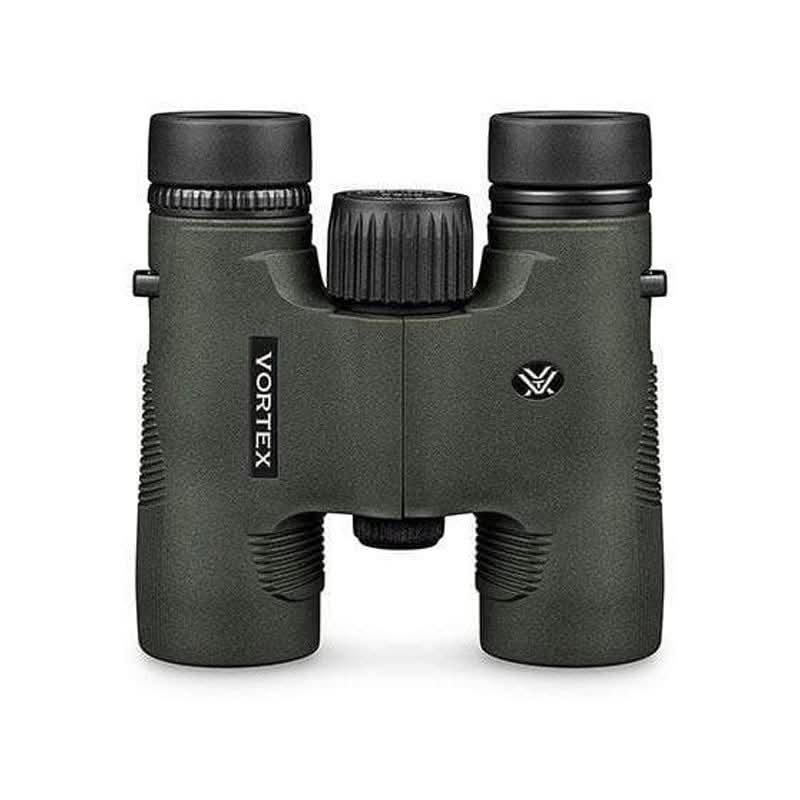
Vortex Diamondback HD 10×28 Binoculars
The Diamondback HD trades objective lens size down to 28mm to keep the whole pair compact and light at 450 grams, aimed at portability over maximum light-gathering.
CHECK CURRENT PRICE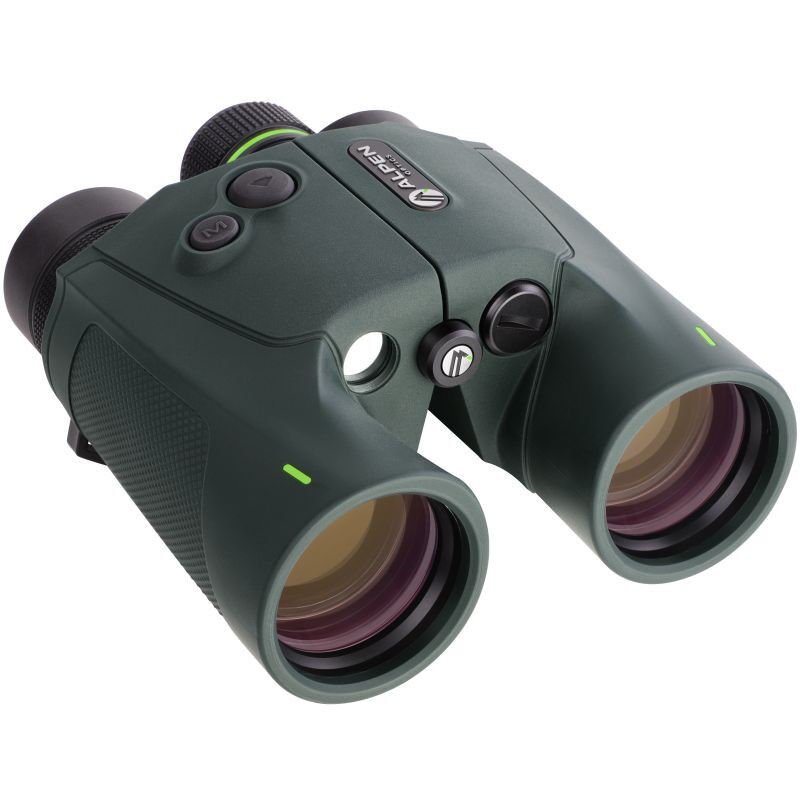
Alpen Apex XP 10×42 Rangefinder Binoculars
The Apex XP builds an integrated laser rangefinder directly into a 10×42 binocular body, reading distance to a target out to roughly 2,286 metres alongside the normal magnified view, so a hunter does not need a separate rangefinder device for the same task..
CHECK CURRENT PRICEBest Binoculars Australia Compared
| Product | Link | Type | Best For | Key Spec |
|---|---|---|---|---|
| Bushnell H2O 8×42 Binoculars | Check price | 8×42, waterproof marine | Wet conditions, boating, fishing | IPX7 waterproof, 305 ft field of view |
| Vortex Diamondback HD 10×28 Binoculars | Check price | 10×28, compact | Portability without sacrificing clarity | 450g, argon-purged fogproof |
| Alpen Apex XP 10×42 Rangefinder Binoculars | Check price | 10×42, integrated rangefinder | Long-range hunting with distance readout | Laser rangefinder to ~2,286m |
| Nikon ACULON T02 8×21 Binoculars | Check price | 8×21, budget compact | First pair or casual sightseeing | 10 year Nikon warranty |
| Vortex Optics Triumph HD 10×42 Binoculars | Check price | 10×42, general-purpose | Everyday hunting and birdwatching | Unlimited lifetime warranty, waterproof |
1. Bushnell H2O 8×42 Binoculars – Best Waterproof
The H2O is built around an aircraft-aluminium chassis wrapped in a rubber shell, rated IPX7 for full submersion to one metre for thirty minutes rather than just splash resistance. An 8×42 spec gives a wide 305 foot field of view at 1000 yards, useful for tracking movement on open water.
The rubber armour and O-ring sealing are what separate a genuinely waterproof pair from one merely marketed as weather-resistant, and this listing’s IPX7 rating is a specific, checkable claim rather than a vague water-resistant label. A 15 foot close focus distance also makes it usable for closer wildlife spotting, not just long-distance viewing.
This suits boating, fishing, or any outdoor activity with genuine exposure to water rather than occasional light rain. Anyone mainly using binoculars on dry land for hunting or birdwatching does not need the same level of waterproofing and could choose a lighter pair instead.
Pros
- IPX7-rated, genuinely submersion-proof rather than just water-resistant
- Wide 305 foot field of view at 1000 yards
- Aircraft-aluminium chassis with protective rubber armour
Cons
- Heavier than the compact travel option in this comparison
- 8×42 magnification is lower than the rangefinder and high-mag options here
Key specs: 8×42; IPX7 waterproof; 305 ft field of view; aluminium chassis with rubber armour.
CHECK CURRENT PRICE2. Vortex Diamondback HD 10×28 Binoculars – Best Compact Travel
The Diamondback HD trades objective lens size down to 28mm to keep the whole pair compact and light at 450 grams, aimed at portability over maximum light-gathering. A 10x magnification still gives a genuinely useful zoom despite the smaller lens.
Argon purging and O-ring sealing keep it fogproof and waterproof despite the compact build, so the size reduction does not come at the cost of durability. A 6 foot close focus distance suits closer subjects as well as distant ones, useful for a single travel pair covering multiple situations.
This suits travel, hiking, or anywhere carrying a lighter pair matters more than maximising low-light performance. Anyone mainly glassing at dawn or dusk, where a larger objective lens genuinely helps, is better served by one of the 42mm options in this comparison instead.
Pros
- 450g compact build genuinely portable for travel or hiking
- Argon-purged, fogproof and waterproof despite the smaller size
- 6 foot close focus distance for closer subjects too
Cons
- 28mm objective lens gathers less light than the 42mm options here in low light
- Narrower field of view than the larger-lens pairs in this comparison
Key specs: 10×28; argon-purged, fogproof and waterproof; 450g; 6 ft close focus.
CHECK CURRENT PRICE3. Alpen Apex XP 10×42 Rangefinder Binoculars – Best Rangefinder Combo
The Apex XP builds an integrated laser rangefinder directly into a 10×42 binocular body, reading distance to a target out to roughly 2,286 metres alongside the normal magnified view, so a hunter does not need a separate rangefinder device for the same task.
Fully multi-coated optics and a fully waterproof build carry over from the rest of this comparison’s better pairs, but the rangefinder function is what sets the price well above every other product here. At 926 grams it is also the heaviest pair in this comparison, a direct trade-off for the added electronics.
This suits a serious hunter who currently carries a separate rangefinder and binoculars and wants to consolidate into one device. Anyone who does not need distance measurement is paying for a feature they will not use and is better served by one of the standard binoculars in this comparison instead.
Pros
- Integrated laser rangefinder to roughly 2,286 metres, no separate device needed
- Fully multi-coated optics and waterproof build
- Consolidates two tools into one for serious hunting use
Cons
- Highest price in this comparison by a wide margin
- Heaviest pair here at 926 grams, a direct trade-off for the rangefinder electronics
Key specs: 10×42; integrated laser rangefinder to ~2,286m; fully multi-coated; 926g.
CHECK CURRENT PRICE4. Nikon ACULON T02 8×21 Binoculars – Best True Budget Pick
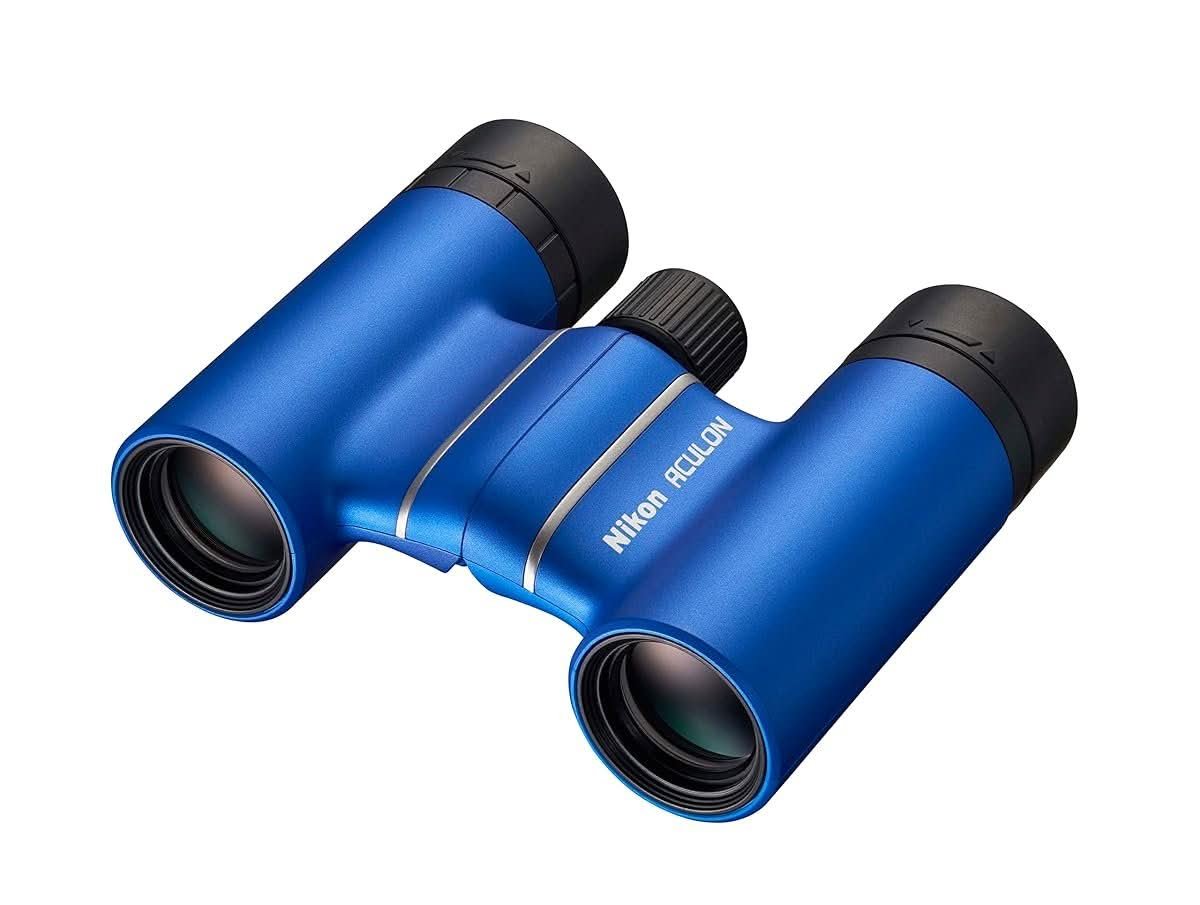
The ACULON T02 is a genuine budget compact pair from a recognisable optics brand, with an 8×21 spec keeping both size and price down for a first pair or casual sightseeing use rather than serious hunting or birdwatching.
Multilayer-coated lenses are a step up from completely uncoated budget optics, and Nikon backs it with a 10 year warranty, a real reassurance at this price point that a completely generic compact pair will not offer.
This suits a first-time buyer, a casual sightseeing or concert use case, or anyone wanting a genuinely inexpensive pair from a brand with an actual warranty behind it. Serious hunting, birdwatching or long-range use needs the larger objective lens and higher-spec build of the other pairs in this comparison.
Pros
- Lowest price in this comparison from a recognisable optics brand
- Multilayer-coated lenses, a step up from uncoated budget optics
- 10 year Nikon warranty
Cons
- 21mm objective lens gathers noticeably less light than the 42mm pairs here
- Not built for serious hunting, birdwatching or low-light use
Key specs: 8×21; multilayer-coated lenses; 10 year warranty; compact.
CHECK ON AMAZON5. Vortex Optics Triumph HD 10×42 Binoculars – Best General-Purpose
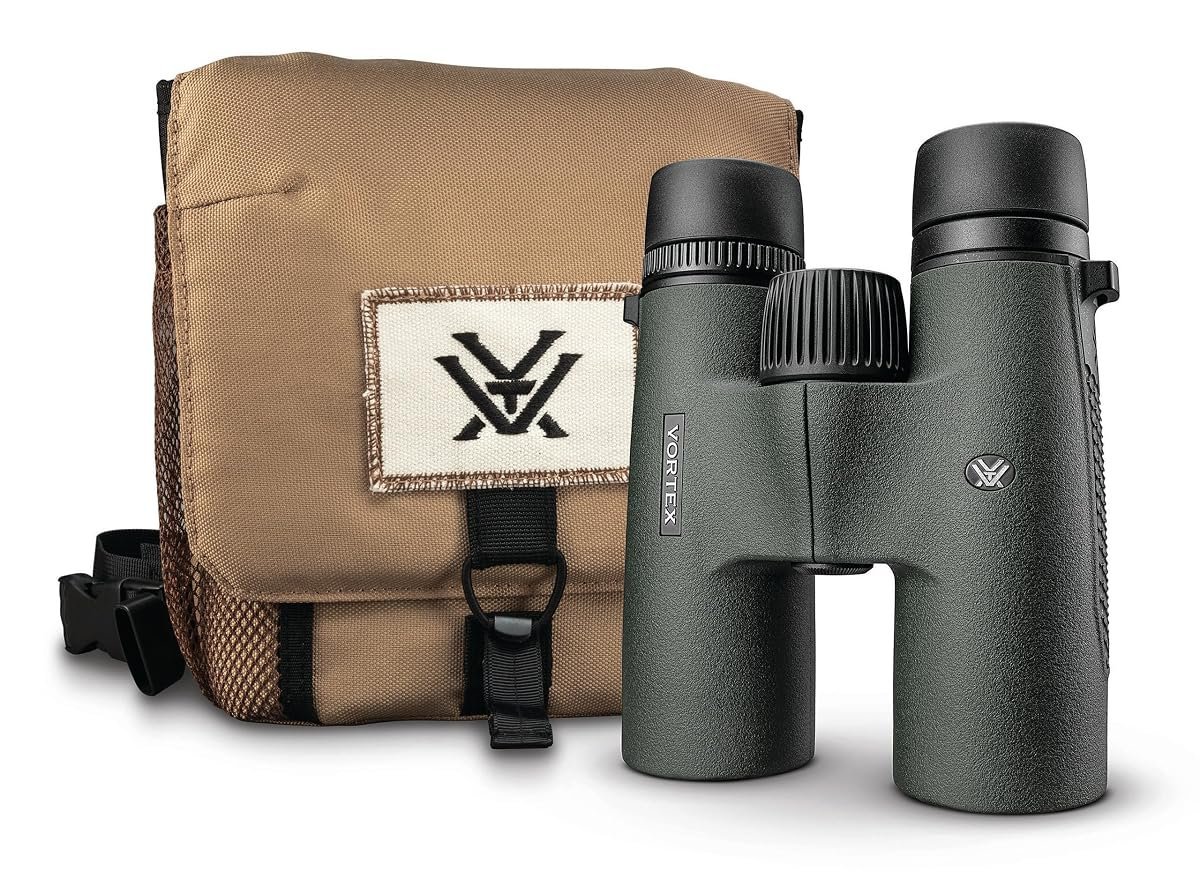
The Triumph HD sits at a genuine general-purpose 10×42 spec, nitrogen-purged for waterproof and fogproof performance, with a polycarbonate chassis and full rubber armour for shock resistance rather than the ultralight build of the compact option in this comparison.
Vortex backs it with an unlimited, unconditional warranty covering repair or replacement regardless of how the damage happened, excluding loss, theft or deliberate damage, which is a stronger guarantee than most binoculars at this price carry. It ships with a neck strap and an adjustable carry harness.
This suits everyday hunting, birdwatching or general outdoor use where a 10×42 spec covers most situations without needing the rangefinder or the waterproof marine rating of the pricier options above. Anyone specifically needing full submersion-proofing or an integrated rangefinder is better served by the Bushnell or Alpen entries instead.
Pros
- Genuine general-purpose 10×42 spec suited to most outdoor use
- Unlimited, unconditional lifetime warranty
- Nitrogen-purged, waterproof and fogproof
Cons
- Not rated for full submersion the way the Bushnell H2O is
- No rangefinder function, unlike the Alpen entry above
Key specs: 10×42; nitrogen-purged waterproof and fogproof; polycarbonate chassis with rubber armour; unlimited warranty.
CHECK ON AMAZONHow to Choose Binoculars
Match magnification to how steady you can hold the pair. Anything above 10x magnification amplifies hand shake as much as it amplifies the image, so a tripod or a rangefinder body with a steadying grip matters more at 15x than at 8x. Higher is not automatically better for handheld use.
A larger objective lens means a brighter image, not just a bigger pair. The second number in a spec like 10×42 is the objective lens diameter in millimetres; a larger lens gathers more light, which matters most at dawn, dusk or in shaded bush rather than in full daylight.
Waterproof and fogproof are two different claims. Waterproof stops water ingress; fogproof, usually from nitrogen or argon purging, stops internal condensation when moving between temperature extremes. A pair rated for both is a genuinely different build from one rated for neither, not just marketing language.
Field of view affects how easily a moving subject stays in frame. A wider field of view, usually listed in feet at 1,000 yards, makes it easier to track wildlife or a moving target without losing it, which often matters more day-to-day than raw magnification.
Weight adds up over a full day of use. A compact 28mm pair carried all day is a genuinely different experience from a 42mm pair on the same trip; anyone planning long hikes or all-day outdoor use should weigh portability as heavily as optical performance.
Check the warranty terms, not just the length. A long warranty period means little if it excludes most real-world damage; the strongest warranties in this comparison cover accidental damage during normal use, not just manufacturing defects. Anyone assembling a full outdoor optics kit should also see this site’s guide to the best travel cameras in Australia for the other half of the kit.
Frequently Asked Questions
What do the numbers on binoculars mean, like 10×42?
The first number is magnification, how many times closer the subject appears, and the second is the objective lens diameter in millimetres, which governs how much light reaches the eye. A 10×42 pair magnifies ten times through a 42mm lens.
Is higher magnification always better?
No. Magnification above 10x amplifies hand shake as much as the image itself when handheld, so higher magnification generally needs a steadier grip, a tripod, or a heavier body to stay usable. For most general outdoor use, 8x to 10x is the practical sweet spot.
What is the difference between waterproof and fogproof binoculars?
Waterproof means the seals stop water getting inside the body; fogproof means the internal air has been purged with nitrogen or argon to stop condensation forming when moving between hot and cold conditions. A genuinely reliable pair needs both, not just one.
Are expensive binoculars worth it over a budget pair?
For casual or occasional use, a budget pair with coated lenses and a real brand warranty is usually enough. The extra cost in premium optics mostly buys brighter low-light performance, sharper edge-to-edge clarity and features like an integrated rangefinder, which matter most to frequent or serious use.
Can binoculars be used for astronomy?
General-purpose binoculars can view the moon and bright objects reasonably well, but dedicated astronomy binoculars use much larger objective lenses, often 50mm to 100mm, mounted on a tripod, since handheld shake becomes a bigger problem at the magnification astronomy benefits from.
How do I clean binocular lenses without scratching them?
Blow or brush off loose dust first, then use a proper lens cloth or lens-cleaning solution rather than a shirt sleeve or tissue, which can carry grit that scratches lens coatings. Avoid household glass cleaner, which can damage lens coatings over repeated use.
Verdict
Use case decides this comparison more than budget does. The Vortex Optics Triumph HD is the easiest general-purpose recommendation for everyday hunting or birdwatching, the Bushnell H2O is worth the extra weight for anyone genuinely near water, and the Alpen Apex XP rangefinder only earns its price for a hunter who currently carries a separate rangefinder and wants to consolidate into one device.